Modular Lifting Spreader Beam: 9 Things to Know Before Your Next Lift
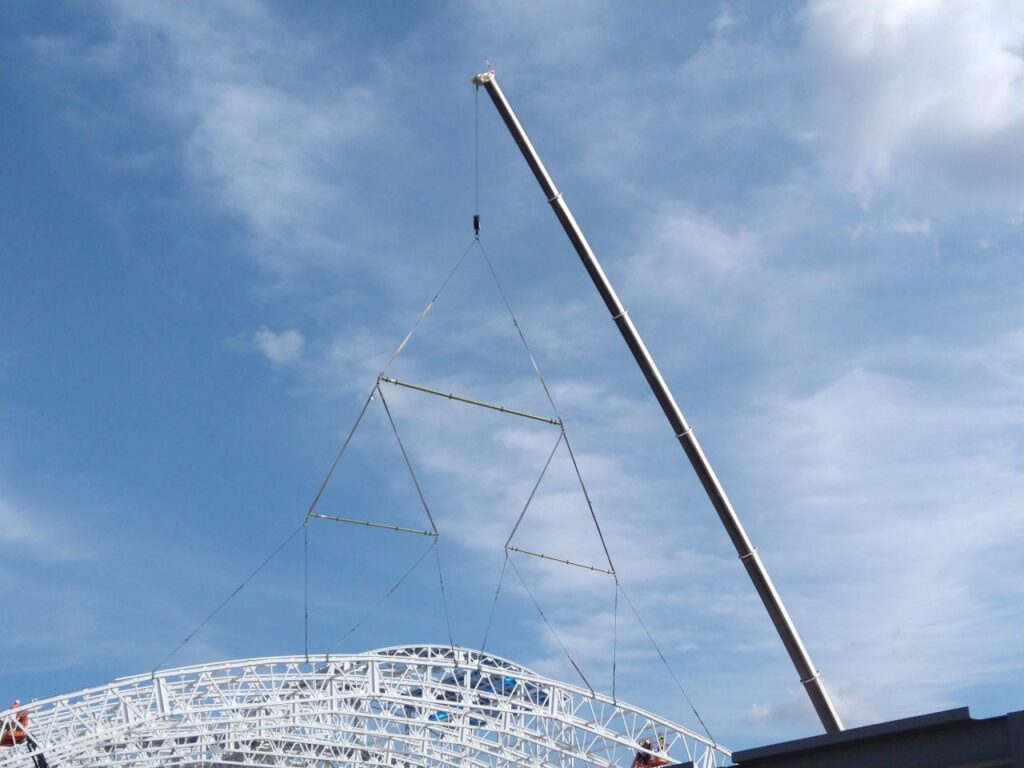
Modular lifting spreader beams, available for rent from LGH.
Spreader beams are common below-the-hook lifting devices, but not every crew understands how much the right beam design can affect rigging weight, transport, sling angles, and load control.
A modular lifting spreader beam gives crews more flexibility than many fixed lifting devices. By using interchangeable sections, also called struts, crews can configure the beam to different lengths so it better matches the load, pick points, and lift plan.
For many long-span or high-capacity lifts, modular lifting spreader beams offer a practical way to reduce rigging weight, simplify transport, and control sling angles. Instead of transporting or storing one large fixed beam, crews can assemble the required beam length on site using modular components.
However, modular lifting spreader beams must be used correctly. They are not designed for every type of loading, and misuse can create serious risks.
Here are nine things to know before using a modular lifting spreader beam on your next lift.
What Is a Modular Lifting Spreader Beam?
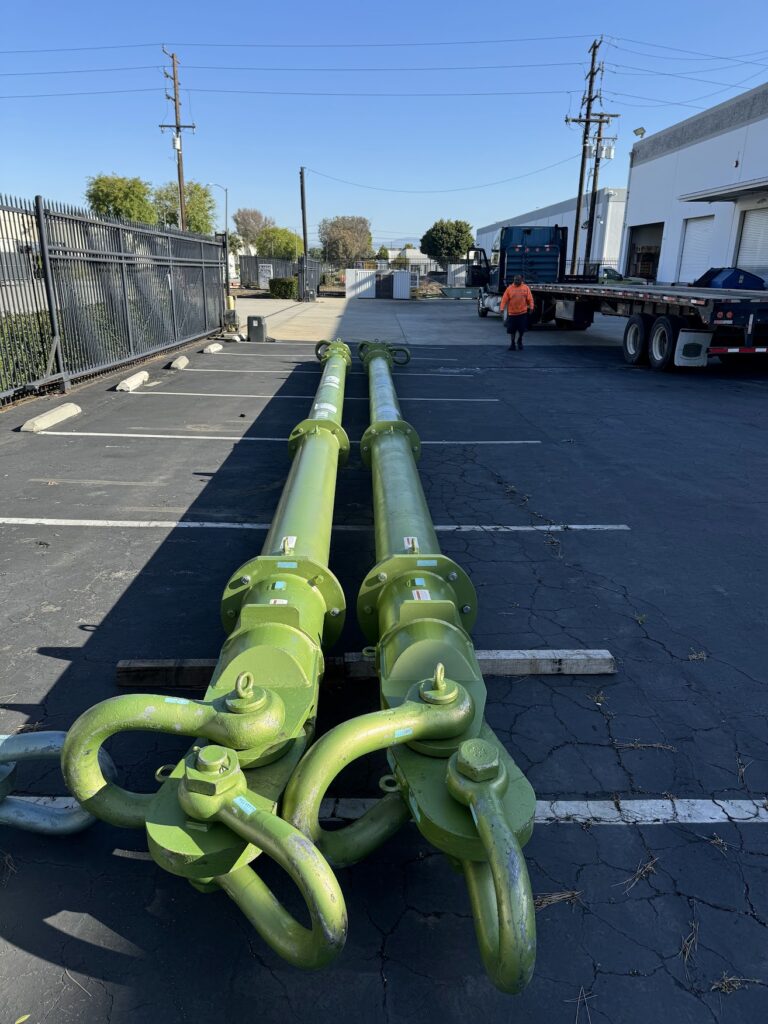
A modular lifting spreader beam is a below-the-hook lifting device that uses interchangeable components to create different beam lengths and lifting configurations. Instead of relying on one fixed beam length, crews can assemble the beam using modular struts, end units, drop links, and rigging hardware.
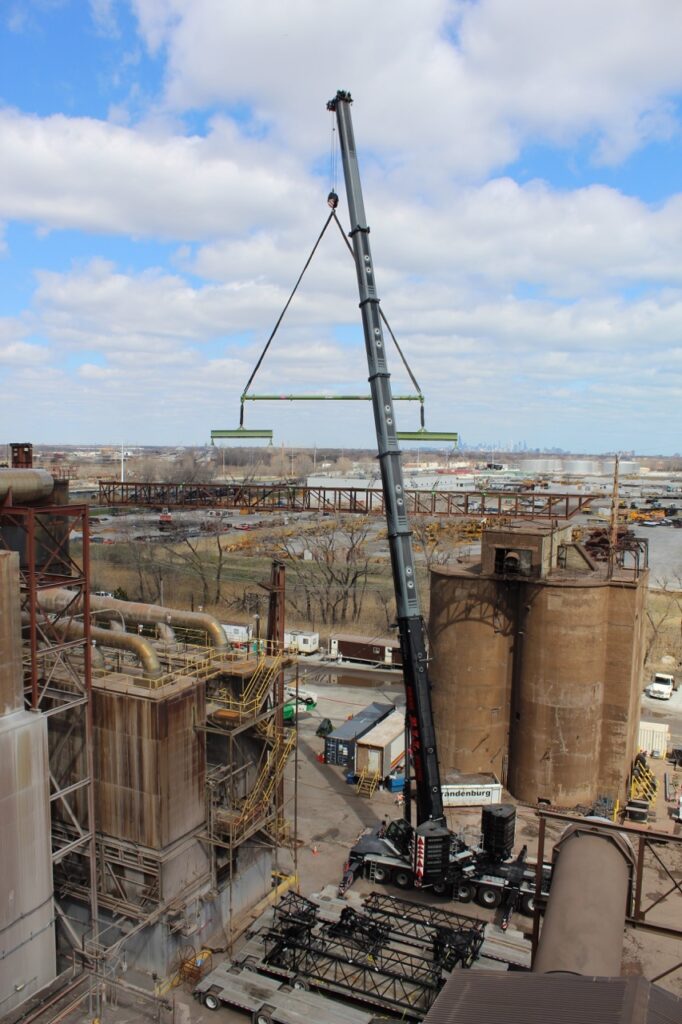
A spreader beam helps distribute load forces and reduce horizontal stress on the load. In a typical setup, top slings connect the crane hook to each end of the beam, while lower slings connect the beam to the load. This arrangement helps keep the lower sling legs more vertical and can protect lifting points from side loading.
Because modular lifting spreader beams can be configured to different lengths, they are useful when load dimensions, pick points, or span requirements change from project to project.
1. Modular Lifting Spreader Beams Can Reduce Rigging Weight
One major advantage of a modular lifting spreader beam is reduced rigging weight compared to many traditional lifting beams.
Lifting beams typically carry bending forces, which often requires more steel and a heavier overall design. Spreader beams work differently. They place the beam primarily in compression, allowing many spreader beam systems to support high-capacity lifts with less overall rigging weight.
This matters because every pound of rigging counts against the crane’s available capacity. A lighter beam can help crews preserve more crane capacity for the load itself.
2. They Work Primarily in Compression
A spreader beam relies on compressive forces through the beam. In simple terms, the beam acts more like a column than a bending member.
This is one reason spreader beams can often handle high loads while weighing less than a comparable lifting beam. The design helps distribute forces through the beam while reducing horizontal forces on the load.
Because of this design, spreader beams must be used according to the manufacturer’s instructions and approved configurations. They are highly effective when properly rigged, but they can be dangerous when loaded incorrectly.
3. Modular Designs Are Easier to Transport and Store
Modular spreader beams are especially useful when crews need long spans without transporting one large beam.
For example, a lift with pick points around 40 feet apart may require a long beam. A fixed lifting beam that length can take up significant space during transport and storage. A modular lifting spreader beam, however, can be broken down into shorter struts, end units, and drop links.
Instead of moving one oversized beam, crews can transport smaller components and assemble the required length on site. This can make modular lifting spreader beams easier to stage, store, and move through jobsites with limited access.
4. They Can Be Configured to Multiple Lengths
Adjustability is one of the biggest benefits of a modular lifting spreader beam system. By using different strut combinations, crews can create multiple beam lengths from the same system.
This flexibility helps contractors adapt to different load dimensions and pick-point spacing without needing a separate fixed beam for every lift. With the right components, one modular beam system can support many different lift configurations.
That flexibility can be especially valuable when project requirements change or when crews need to lift different loads throughout the same job.
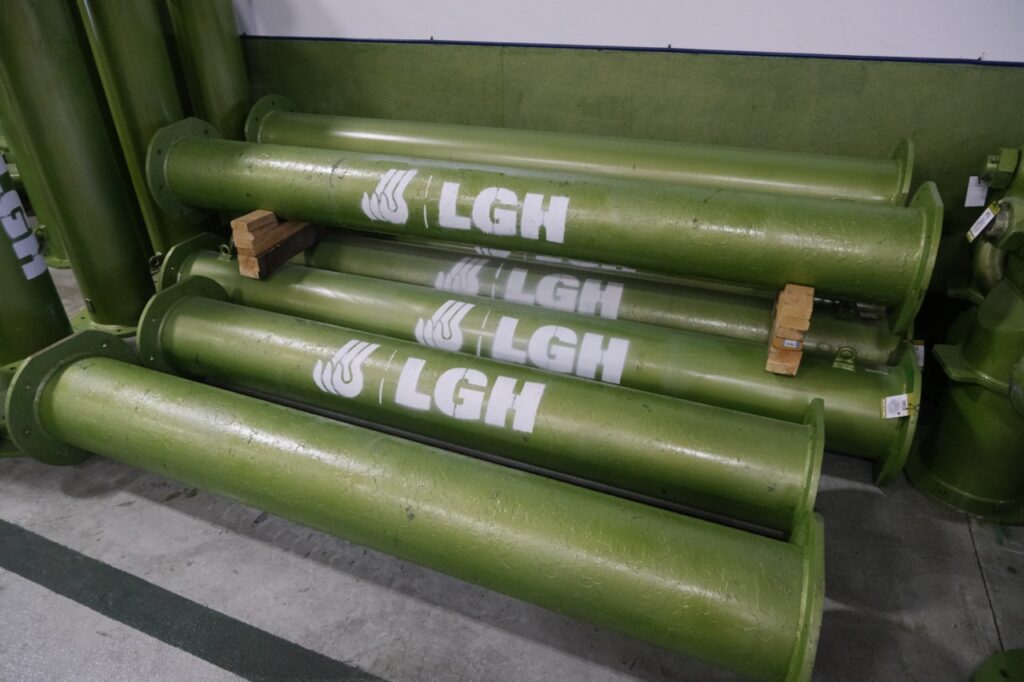
Modular lifting spreader beam components in the LGH Rental Center.
5. They Can Support High-Capacity Long-Span Lifts
Long-span lifts can create challenges for traditional lifting beams because the beam must resist bending across the full length. As capacity and span increase, the lifting beam can become large, heavy, and difficult to transport.
A modular lifting spreader beam can often provide a more practical option for long-span lifts. Because the beam works primarily in compression, a modular spreader beam can support high-capacity lifts while keeping the rigging system more manageable.
This makes spreader beams a common choice for structural steel, precast components, vessels, fabricated sections, machinery, and other loads with widely spaced lifting points.
6. They Must Not Be Loaded from the Middle
A modular lifting spreader beam is not designed to be used like a traditional lifting beam. Crews should not wrap slings around the middle of the beam or add an unapproved lifting point to the center of the spreader.
This misuse can introduce bending or horizontal forces the beam was not designed to handle. Because modular spreader beams are built to work in compression, loading them incorrectly can damage the beam and create serious lift hazards.
If a lift requires additional pick points or a different rigging arrangement, consult a qualified person, the manufacturer’s guidance, or your rental specialist before changing the setup.
7. They Can Be Built into CMOD Frame Configurations

Modular spreader beams are an essential piece of lifting gear on many sites.
Some lifts require more than a single spreader beam. When a load has multiple pick points over a larger area, crews may need a square or rectangular lifting frame.
Modular spreader systems can sometimes be configured into CMOD spreader frames. A CMOD frame uses modular spreader components to create a square or rectangular lifting arrangement that supports multiple pick points while using one upper lifting point.
This type of setup can help reduce headroom compared to stacking multiple spreader beams or using multiple cranes. It can also support complex loads that need a more balanced, multi-point lifting solution.
8. They Can Help Fine-Tune Load Balance
Loads do not always have a perfectly centered or predictable center of gravity. Equipment modifications, uneven geometry, or incomplete load information can make balancing the lift more challenging.
Modular lifting spreader beam systems can provide rigging flexibility for certain uneven loads. Top rigging may be adjusted with turnbuckles, hoists, or other hardware to help keep the load level.
However, the full rigging plan must still account for load weight, center of gravity, sling angles, pick points, and manufacturer guidance. Adjustability helps, but it does not replace proper lift planning.
9. They Help Reduce Horizontal Forces on the Load
A spreader beam helps keep lower sling legs more vertical, which can reduce horizontal forces on the load. This is especially important when lifting points, lugs, padeyes, or eyebolts are not designed to handle significant side loading.
By controlling sling angles, a modular lifting spreader beam can help protect the load and its lifting points from unnecessary stress. This can be valuable when lifting fabricated components, structural sections, tanks, vessels, machinery, or other loads that require careful load control.
Modular Lifting Spreader Beam vs. Lifting Beam
-

-
LGH lifting beam.
-
-
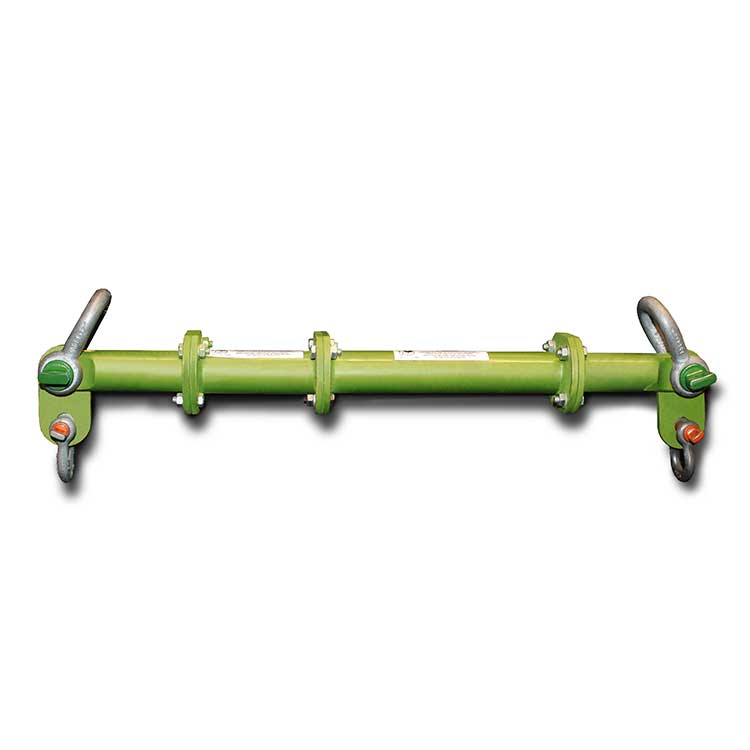
A Modulift modular spreader beam unit.
A modular lifting spreader beam and a lifting beam are both below-the-hook lifting devices, but they work differently.
A lifting beam usually uses a top lifting point and lower lifting points. The beam carries bending forces, which often makes it heavier and more rigid. Lifting beams are often useful in low-headroom applications because they can reduce the need for top rigging.
A spreader beam typically uses top slings from the crane hook to the ends of the beam and lower slings from the beam to the load. The beam works primarily in compression and helps spread sling forces across the load.
Use a lifting beam when headroom is limited or the lift requires a compact top connection. Use a modular lifting spreader beam when the lift has enough headroom and needs reduced rigging weight, controlled sling angles, or a long-span configuration.
Rent Modular Lifting Spreader Beams from LGH
LGH offers modular lifting spreader beam rentals, adjustable spreader beam configurations, CMOD spreader frame options, and complete rigging system rentals for a wide range of lifting applications.
Our rental specialists can help review load weight, span requirements, pick points, sling angles, headroom, center of gravity, and jobsite constraints to help match the right beam configuration to the lift.
Renting can be especially useful when your lift requires a specific length, capacity, or configuration for a short-term project. Instead of purchasing and storing multiple beam sizes, crews can rent the spreader beam components they need for the job.
Conclusion
A modular lifting spreader beam gives crews a flexible, efficient way to support long-span lifts, reduce rigging weight, control sling angles, and protect lifting points from horizontal forces. Modular designs make these beams easier to transport, configure, and adapt to different lifting requirements.
However, spreader beams must be used correctly. They are designed to work primarily in compression, not as traditional lifting beams with added center pick points. Before using a modular lifting spreader beam, crews should confirm the load weight, span, center of gravity, sling angles, pick points, and manufacturer-approved configuration.
For help choosing the right modular lifting spreader beam, modular spreader beam, or CMOD spreader frame for your next lift, contact LGH today or call 800-878-7305 to speak with a rental specialist.
LGH is North America’s largest single organization devoted exclusively to the provision of lifting and moving equipment for rent. LGH holds the most comprehensive inventory for hoisting, rigging, jacking, pulling, material handling, and safety equipment. With over 90,000 pieces, discover your next project solution at RentLGH.com.