Behind the Scenes: Renting Rigging Equipment From LGH
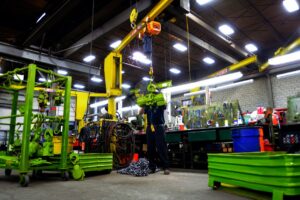
Renting equipment may seem straightforward, but behind every rental is a coordinated effort involving multiple teams across LGH. With more than 100,000 pieces of equipment in our fleet and 24 rental centers across North America, a streamlined equipment rental process is essential to getting the right equipment to the right place, at the right time.
So, how does the rental process work at LGH? We spoke with team members across LGH to learn what it takes to move equipment from the initial request through delivery, support, return, and preparation for its next rental.
Let’s start at the beginning of the rental cycle.
Stage 1: Understanding the Project’s Needs
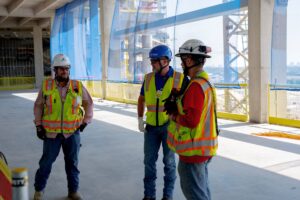
What Customers See
A phone call or email with an LGH Representative about equipment requirements.
Behind the Scenes
The rental process can begin in several ways. A customer may contact the Rental Desk directly at 800-878-7305, submit a quick quote online, or reach out to an LGH Rental Representative with a lifting or rigging need. Alternatively, a sales rep could proactively assist with upcoming projects during customer visits.
The Rental Rep is the customer’s primary point of contact throughout the project, answering questions as they arise during the rental lifecycle.
“The Rental Rep’s first responsibility is to understand the scope of work before recommending equipment,” explains Aaron Orsak, LGH’s South Central Regional Rental Manager. Once the project requirements are identified, the rep will confirm with the customer, review rental duration and anticipated return date, and confirm transportation and delivery requirements.
Questions Rental Reps Ask:
1. Project Information
- What are you moving?
- How are you moving it? (Lift, jack, push, pull, etc.)
- What does it weigh?
- What are the dimensions?
- Where is the project located?
- What are the project dates?
2. Lift Details
- How many picks will be made?
- What type of crane is being used? (Mobile crane? Gantry? Forklift?)
- Are there headroom restrictions?
- Is the load’s center of gravity balanced or offset?
3. Equipment Requirements
- What equipment have you used previously?
- Are there engineered lift plans?
- Do you need spreader bars, lifting beams, shackles, slings? Do you have any of your own equipment that you’ll be using with LGH equipment?
- Are there environmental considerations such as offshore, refinery, or marine applications?
4. Logistics
- Delivery date
- Length of rental
- Delivery location
- Onsite contact
- Purchase order requirements
- Billing information
Asking thorough questions upfront reduces delays, minimizes confusion internally, and helps ensure the correct equipment is delivered accurately and on time.
Before Requesting a Quote, Have These Details Ready:
- Equipment needed
- Load weight and/or height of lift
- Project location
- Rental duration
- Delivery requirements
- Purchase order information (if required)
- Billing information
First-time customers must provide billing information to complete their account setup.
Why Early Planning Matters
The more information LGH has upfront, the better our teams can support a project. Early involvement gives Rental Representatives, Product Management, and the Rental Desk more time to evaluate equipment options, coordinate inventory across rental centers, arrange delivery, and support complex lifting projects when needed.
For projects with unique requirements, involving LGH early can help identify potential challenges before they impact the schedule and ensure the right equipment is available when the job begins. Our lifting experts sometimes also suggest an alternative solution that is simpler or more efficient. For example, they may suggest a piece of specialized equipment that the customer is unfamiliar with.
Stage 2: Building the Rental Quote
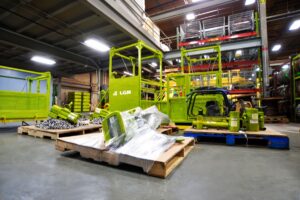
What Customers See
A quote arrives with pricing, rental terms, and delivery information.
Behind the Scenes
Once the project details are gathered, the sales rep works with the Rental Desk team to generate a quote. Joe Eberhardt, Rental Desk & Logistics Manager at LGH, describes the Rental Desk as LGH’s central coordination hub.
“The Rental Desk is responsible for generating quotes, processing orders, and taking contracts off rent,” Eberhardt explains.
The Quote Process
- Rental Rep submits the project information through LiftWare or by phone.
- The Rental Desk builds the quote.
- Equipment availability is reviewed.
- Freight and logistics costs are added if needed.
- Internal notes regarding inventory availability and transit times are included.
- The Rental Rep reviews the quote.
- The quote is sent to the customer.
An important thing to keep in mind: inventory can change quickly. Even if equipment is available when quoted, the Rental Desk must verify the equipment before converting a quote into an order.
Why Does LGH Verify Equipment Availability More Than Once?
With more than 100,000 pieces of equipment moving between job sites and rental centers, availability can change from day to day. Equipment may be out on rent, in transit between locations, undergoing inspection, or being repositioned to meet customer demand.
That’s why the Rental Desk verifies availability when building a quote and again before converting the quote into an order. These extra checks help ensure the equipment quoted to a customer will be available when needed.
Stage 3: Ensuring the Right Equipment is Available
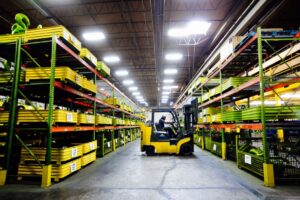
What Customers See
The equipment they need is ready when the project starts.
Behind the Scenes
While Rental Reps and the Rental Desk coordinate customer requests, the Product Management team works behind the scenes to ensure the best equipment is available when customers need it. Led by Chris Hyatte, LGH North America’s Product Manager, this department focuses on making sure:
- Safe equipment is available
- The fleet is balanced across locations
- Equipment is positioned where demand is highest
- New products are evaluated and added when beneficial
When a rental center doesn’t have the equipment a customer needs, the team reviews inventory across LGH’s rental centers. They assess whether equipment needs to be relocated to meet the demand or if new products should be added to expand the fleet. If necessary, equipment may be transferred between rental centers.
“It starts with communication via the reps, the rental desk, or rental centers,” Hyatte explains. “Do we need more equipment? Is there surplus in other locations that we can move around?” Requests are coordinated through an internal system that helps verify equipment availability and maintain a well-balanced fleet.
For Complex Lifts
Some projects require more than just rigging equipment rentals alone. When a customer needs a rigging configuration drawing or additional planning support, the request is routed to LGH’s Lift Planning team.
After gathering project details, the Rental Rep submits the information for review. Using AutoCAD and project specifications, the Lift Planning team develops a rigging configuration that helps determine the appropriate equipment for the application.
Whether a project requires a rigging configuration or not, the next step is converting the quote into a rental order.
Learn more about how rigging lift planning improves safety and equipment selection.
Stage 4: Converting a Quote into a Rental Order
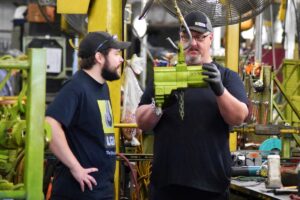
What Customers See
The rental is confirmed, and delivery is scheduled.
Behind the Scenes
Once the customer approves the quote, the Rental Desk begins the order conversion process. This includes verifying equipment availability and communicating with the warehouse. Only after the warehouse confirmation can the order proceed.
Before equipment goes out for delivery, it is inspected and verified to meet testing and certification requirements.
Depending on the project, equipment may be:
- Delivered by an LGH truck
- Delivered by an LGH Rental Representative
- Picked up by the customer
- Shipped through a freight carrier
For deliveries outside local service areas, the Freight Department coordinates transportation and delivery schedules.
Stage 5: Supporting the Rental
What Customers See
Equipment arrives, the project moves forward, and support is available when needed.
Behind the Scenes
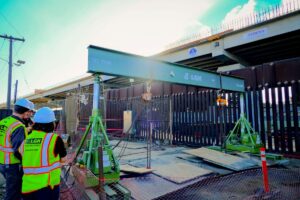
Throughout the rental, the Rental Rep remains the customer’s primary point of contact. As project conditions change, the Rental Rep works with the Rental Desk, Operations, and Lift Planning teams to support the customer with the equipment and support needed to stay on schedule.
Responsibilities may include:
- Coordinating with Rental Desk and Operations
- Managing project changes
- Addressing additional equipment needs
- Conducting jobsite visits when appropriate
- Resolving issues quickly
For longer projects, Rental Reps maintain consistent communication with customers to verify that the equipment continues to meet project requirements and to address any unexpected challenges.
This ongoing involvement transforms the relationship from a one-time rental into long-term partnerships.
Stage 6: Returning Equipment and Preparing for the Next Rental
What Customers See
The project ends, and equipment is returned.
Behind the Scenes
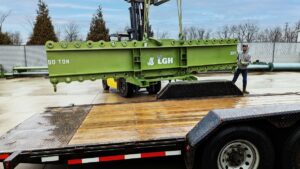
Customers must notify LGH when equipment is no longer needed. The Rental Desk will then process the equipment to be off-rent and coordinate pickup, working with logistics or freight to arrange the return.
Eberhardt emphasizes that clear communication during this process is critical. Equipment will remain on rent until customers inform LGH that it’s ready for pickup or return.
What Happens Next
- Equipment is inspected
- Maintenance needs are identified
- Inventory records are updated
- Equipment is prepared for its next rental
Equipment is cleaned, and any maintenance issues are addressed before the equipment is cleared for use. The process then begins again for the next customer.
Conclusion
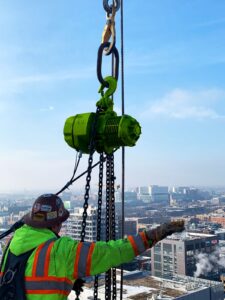
From the initial request to the final equipment return, every rental at LGH is a team effort. While customers primarily interact with a Rental Representative or Rental Desk team member, the Product Management, Operations, Logistics, Finance, Training and Development, and many other teams all play important roles behind the scenes.
The result is a rental process designed to deliver safe, reliable rigging equipment when and where it’s needed.
Whether you’re planning a project months in advance or need equipment quickly, involving LGH early in the process allows our teams to provide the most effective support and rigging equipment solutions.
From the first conversation to the final pickup, every step is designed to make renting equipment as simple, reliable, and efficient as possible.
Ready to rent rigging equipment? Request a quick quote or call 800-878-7305 to speak with an LGH rental specialist.