Chain Come Along Safety: Common Misuses and How to Prevent Them
Chain come alongs, commonly known as lever hoists, are among the most versatile lifting and pulling tools used across construction, maintenance, industrial, and mechanical projects. Their compact design, precise load control, and ability to perform horizontal, vertical, or angled pulls make them an essential component of many lift plans. However, improper use of a lever hoist can lead to equipment damage, reduced service life, or serious jobsite safety risks. This blog post highlights some of the most common chain come along misuses and practical steps to prevent them.
What Is a Chain Come Along?
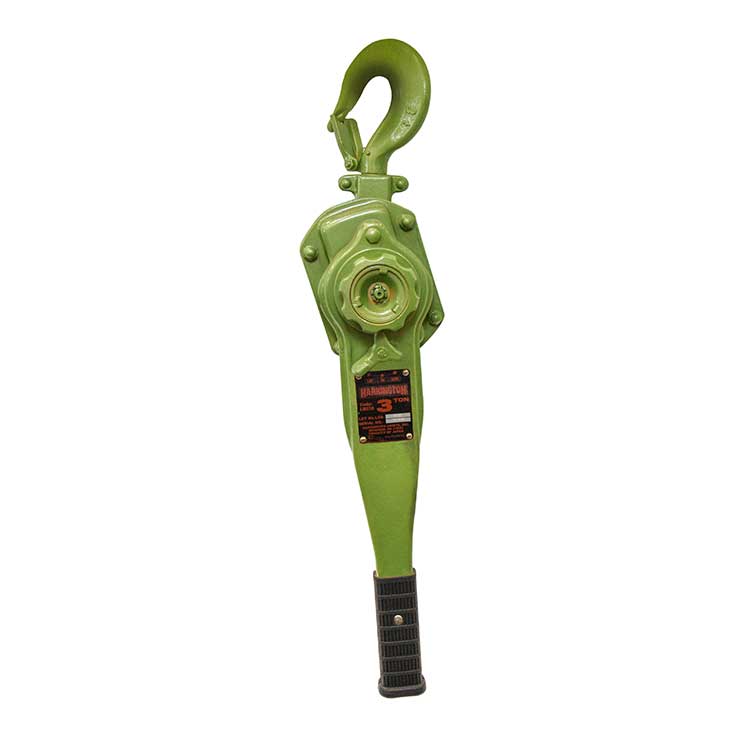
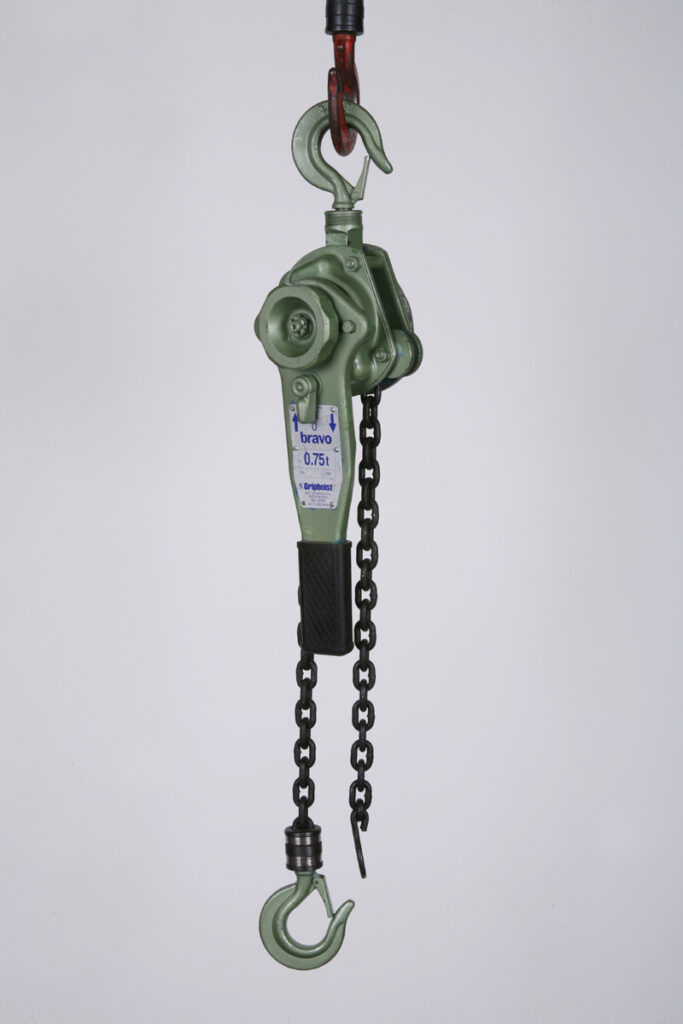
A chain come along, also known as a lever hoist, is a manually operated lifting and pulling device used to move, tension, position, or hold loads. Unlike a hand chain hoist, which is typically used for vertical lifting, a chain come along can be used for horizontal, vertical, or angled pulling applications when properly rated and rigged.
Chain come along rental from LGH.
Because chain come alongs are compact and portable, they are commonly used in construction, maintenance, mechanical, industrial, and rigging applications. However, they must be used within their rated capacity and according to the manufacturer’s instructions to avoid damage, overload, or unsafe load movement.
Misuse #1: Not Accounting for Load Forces During Angular Pulls
When a lever hoist is used in a straight vertical or horizontal pull, the rated capacity of the hoist applies directly. But when the pull shifts to an angled or diagonal position, additional forces increase the actual tension placed on the hoist and rigging hardware.
For example, a load requiring a 5-ton lift at a 45-degree angle may generate forces that exceed the rated capacity of a 6-ton lever hoist once sling tension and angle factors are considered. Failure to account for these forces can result in equipment overload, load instability, or component failure.
Best practice: Always calculate sling tension and load angles as part of your lift plan and select equipment rated appropriately for the true applied load.
Misuse #2: Using Cheater Bars on the Lever Handle
Adding a cheater bar to extend the lever handle is one of the most dangerous lever hoist practices. While a longer handle may reduce the physical effort required to move the load, it also bypasses the designed operating limits of the hoist and can easily overload internal components.
In many cases, this results in bent handles, damaged gearing, or sudden mechanical failure, creating significant safety hazards for operators and nearby personnel.
Best practice: Never modify the handle length. If additional pulling force is required, use a hoist with a higher rated capacity instead of attempting to increase leverage manually.
Misuse #3: Using the Load Chain as a Choker or Binding Device
The load chain of a lever hoist is designed strictly for lifting and pulling in-line loads. Using the chain in a choker configuration or as a tie-down/binding device can bend hooks, twist links, and permanently damage the hoist. Once a hook or chain is deformed, the hoist must be removed from service for inspection, testing, and recertification.
Best practice: Always use properly rated slings, shackles, or tie-down equipment for choking or securing loads. Lever hoists should never be used for load binding.
How to Use a Chain Come Along Safely and Extend Service Life
Proper rigging practices can help extend the service life of a chain come along while reducing the risk of equipment damage. Always inspect the lever hoist before use, confirm the rated capacity, and make sure the load chain, hooks, handle, pawls, and body show no signs of deformation, cracking, excessive wear, or damage.
Use properly rated accessories such as shackles, beam clamps, slings, and suspension hardware to keep the load applied correctly to the hoist. Small rigging adjustments, such as connecting the hoist hook to a shackle instead of directly to a lifting lug, can reduce stress on the hook, improve alignment, and help prevent unnecessary wear.
A chain come along should never be side loaded, shock loaded, overloaded, or modified. If the hoist does not move the load with normal handle effort, stop and reassess the setup rather than forcing the equipment.
Conclusion
A chain come along can be an effective tool for lifting, pulling, positioning, and tensioning loads, but only when it is used correctly. Misuses such as ignoring load angles, adding cheater bars, or using the load chain as a choker can overload the hoist, damage components, and create serious jobsite hazards.
Before using a lever hoist, always confirm the load weight, calculate any angle-related forces, inspect the equipment, and use properly rated rigging hardware for the application. If the setup requires more force than the chain come along is designed to handle, select a higher-capacity hoist or adjust the lift plan.
For help selecting the right chain come along, lever hoist, or rigging equipment for your next project, contact LGH today or call 800-878-7305 to speak with a rental specialist.
LGH is North America’s largest single organization devoted exclusively to the provision of lifting and moving equipment for rent. LGH holds the most comprehensive inventory for hoisting, rigging, jacking, pulling, material handling, and safety equipment. With over 80,000 pieces, discover your next project solution at RentLGH.com.