Load Weight Formula: How to Estimate Load Weight for Lifting
Rigging equipment rentals can help execute a complex crane lift plan.
Before any lift begins, crews need to understand what they are lifting. Estimating the weight of a load is one of the first steps in lift planning because load weight affects the crane, hoist, rigging hardware, sling selection, load monitoring equipment, and overall lifting method.
A load weight formula helps crews estimate the weight of an object when the actual weight is not clearly marked or available from manufacturer documentation. While a calculated estimate should not replace proper lift planning, engineering review, or verified weighing when required, it can help crews start with a more informed plan.
In this blog post, we’ll explain how to estimate load weight using volume, material density, and common area formulas. We’ll also explain how LGH digital load links and compression load cells can help verify load weight during lifting, weighing, and testing applications.
Why Load Weight Estimation Matters
Load weight estimation is critical in rigging and lifting because every piece of equipment in the lift must be properly rated for the load. If the load weight is underestimated, the wrong crane, hoist, sling, shackle, beam, jack, or lifting device may be selected.
Load weight affects:
Crane capacity requirements
Hoist selection
Sling and rigging hardware selection
Spreader beam or lifting beam requirements
Jacking equipment selection
Center of gravity planning
Load monitoring needs
Crane load testing or proof testing requirements
Knowing the estimated load weight also helps crews understand how much force may be applied to each lifting point, especially when the load has multiple pick points or an offset center of gravity.
Basic Load Weight Formula
The basic load weight formula is:
Load weight = Volume × Material weight per cubic foot
To use this formula, crews first estimate the volume of the object. Then they multiply that volume by the weight of the material.
For example, if a steel object has a volume of 10 cubic feet and steel weighs approximately 480 pounds per cubic foot, the estimated load weight would be:
This formula works well for solid objects when the material and dimensions are known. For hollow, irregular, or mixed-material loads, the calculation becomes more complex and may require engineering input or weighing equipment.
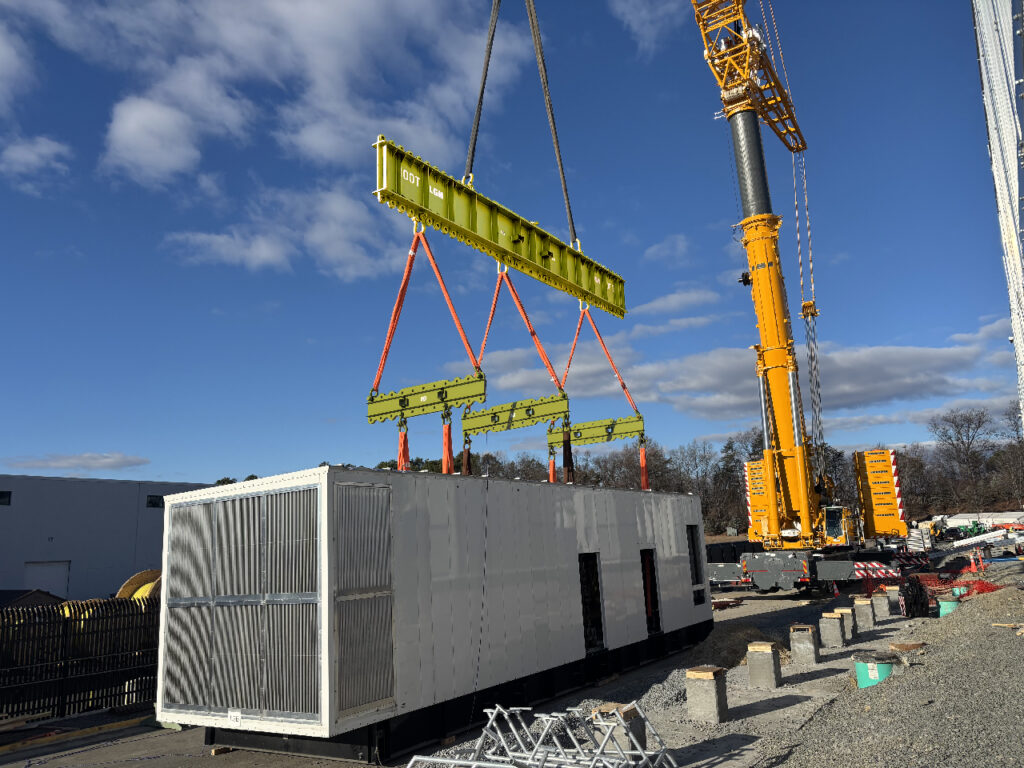
LGH rigging on a tilt wall construction job site.
Step 1: Identify the Material
The first step is identifying what the load is made of. Different materials have very different weights per cubic foot.
For example, the reference chart shown in this blog lists approximate material weights such as:
Aluminum: 165 lbs. per cubic foot
Brick: 120 lbs. per cubic foot
Concrete, reinforced: 150 lbs. per cubic foot
Diesel: 52 lbs. per cubic foot
Glass: 162 lbs. per cubic foot
Lead: 708 lbs. per cubic foot
Oak lumber: 62 lbs. per cubic foot
River sand: 120 lbs. per cubic foot
Rubber: 94 lbs. per cubic foot
Steel: 480 lbs. per cubic foot
Water: 63 lbs. per cubic foot
Zinc: 437 lbs. per cubic foot
Material density is one of the biggest factors in load weight calculations. A steel object and an aluminum object with the same dimensions will not weigh the same amount.
Step 2: Calculate the Volume
After identifying the material, crews need to estimate the volume of the load. Volume depends on the shape.
For a square or rectangular object, use:
Volume = Height × Width × Length
For example, a steel block that is 2 feet high, 3 feet wide, and 4 feet long has a volume of:
Example: Estimating the Weight of a Half Circle of Steel
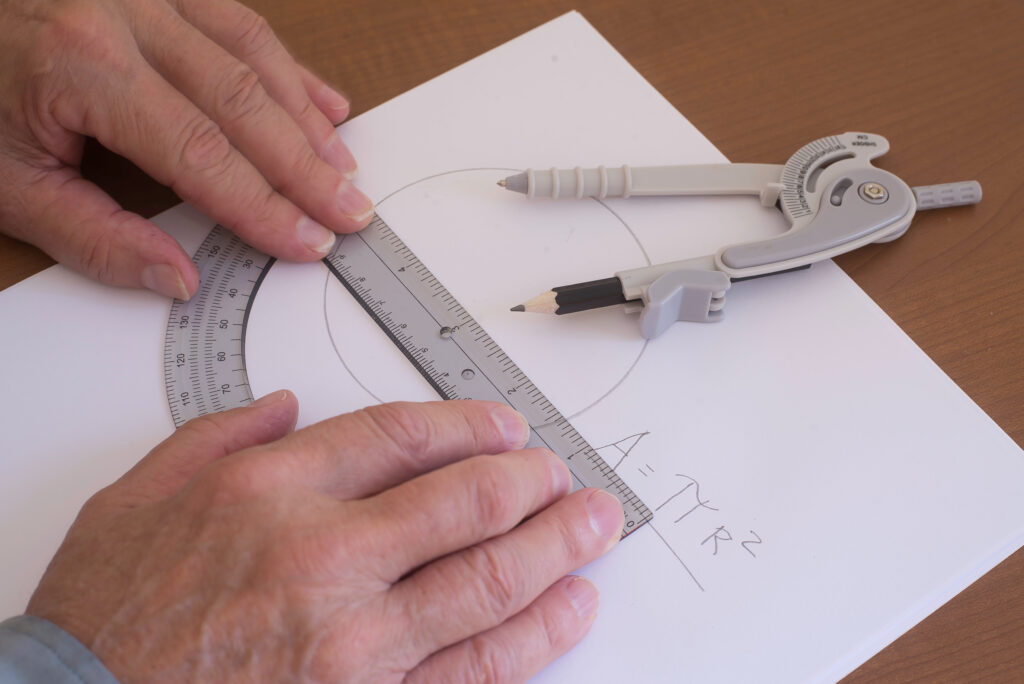
The attached example shows how to estimate the weight of a half-circle steel section by finding the difference between two circular areas, dividing that result in half, and then multiplying by thickness and steel weight.
The calculation works like this:
First, estimate the area of the larger circle:
22 × 22 × 0.80 = 387.2 square feet
Then estimate the area of the smaller circle:
18 × 18 × 0.80 = 259.2 square feet
Find the difference:
387.2 – 259.2 = 128 square feet
Because the load is a half circle, divide by 2:
128 ÷ 2 = 64 square feet
If the steel is 2 feet thick, calculate volume:
64 × 2 = 128 cubic feet
Then multiply by the approximate weight of steel:
128 × 480 lbs. per cubic foot = 61,440 pounds
This example shows how area, volume, and material weight work together in a load weight formula.
Load Weight vs. Load Capacity
Although load weight and load capacity are related, they are not the same thing.
Load weight is the actual or estimated weight of the object being lifted.
Load capacity is the rated amount of weight that a crane, hoist, sling, shackle, lifting beam, jack, or other piece of equipment can safely handle under specific conditions.
A load weight estimate helps crews choose equipment with the correct capacity. However, the equipment capacity must also account for sling angles, center of gravity, rigging configuration, dynamic effects, below-the-hook equipment, and manufacturer limits.
In other words, calculating load weight is only one step. Crews must also confirm that every component in the lifting system is properly rated for the full application.
What Factors Influence Load Capacity Calculations?
Several factors influence load capacity calculations in lifting and rigging. The weight of the load is important, but it is not the only factor.
For crane lifts, crews may also need to review the crane load chart, boom length, radius, counterweight configuration, setup conditions, and other crane-specific factors. A simple crane load capacity formula is not enough for most real lift planning. The crane’s official load chart and lift plan should always guide the final decision.
Tools for Load Weight Estimation and Verification
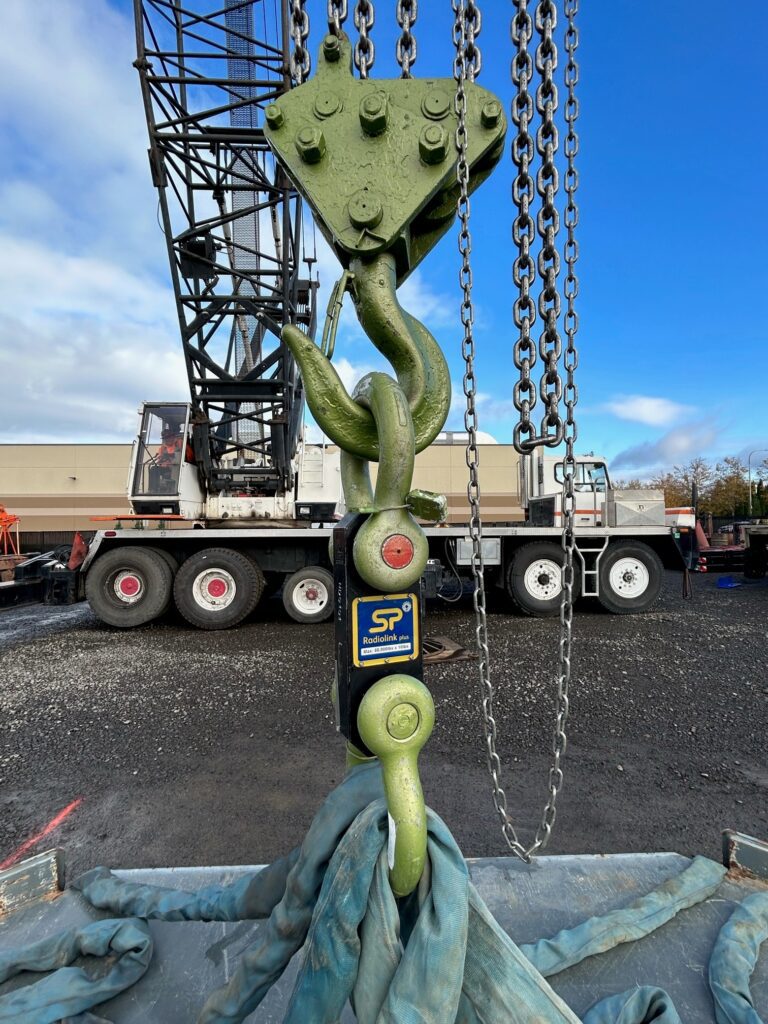
Digital Load Link from LGH.
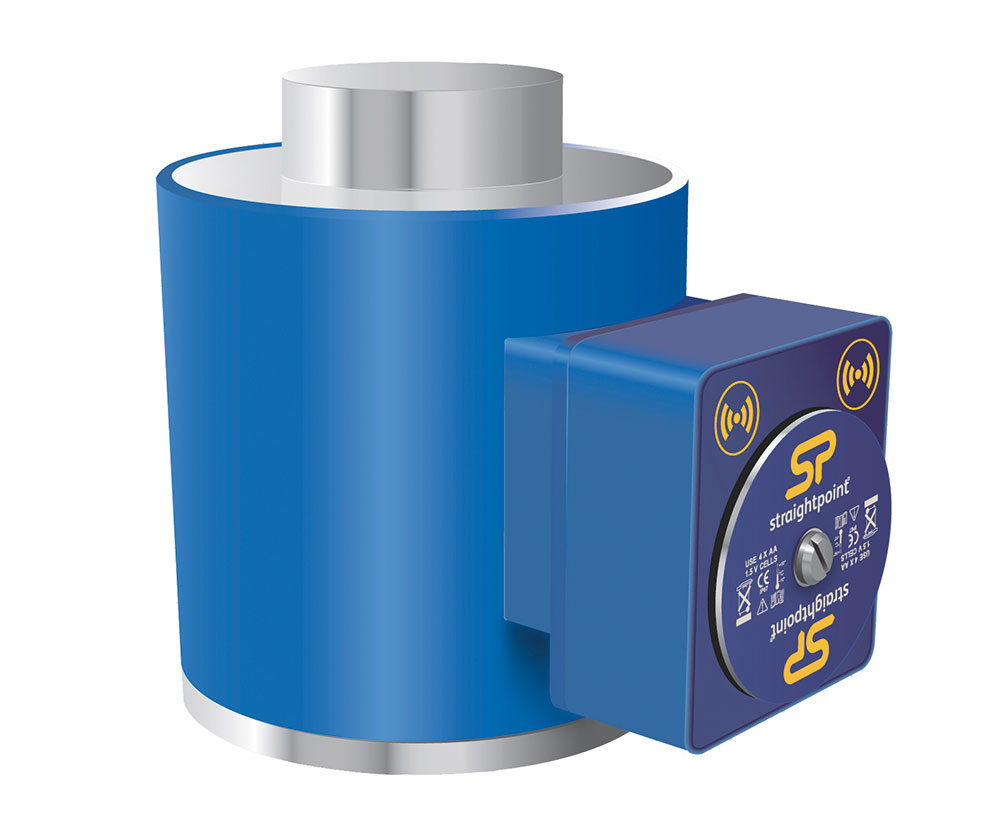
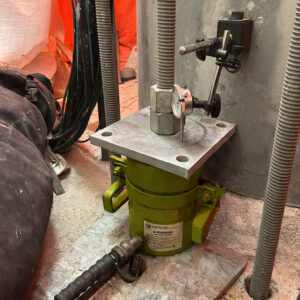
Example of a Straightpoint compression load cell, also available for rent from LGH.
Formulas are useful for estimating load weight, but some projects require more than a calculated estimate. When load weight must be verified, load monitoring equipment can help.
Digital load links are tension load cells used in line with rigging. They can measure load, tension, or load share during lifting, testing, and rigging applications. These are also commonly called crane load cells, wireless load cells, crane load sensors, or load test dynamometers.
Compression load cells measure force in compression. They are often used for weighing, center-of-gravity checks, proof testing, and multi-point load measurement where the load rests on the sensors.
These tools can support:
Crane load monitoring
Crane load testing
Proof load testing
Load share measurement
Center of gravity checks
Equipment weighing
Multi-point load verification
Rigging setup validation
Using a crane load sensor or load cell can help crews move from an estimated load weight to measured load data.
When Should You Use a Formula vs. a Load Cell?
A load weight formula is useful during early planning, especially when crews know the material, shape, and dimensions of the load. It can help estimate whether the lift may require a crane, hoist, spreader beam, skidding system, jacks, or special rigging equipment.
A load cell may be needed when:
The actual load weight is unknown.
The load has an irregular shape.
The load contains mixed materials.
The center of gravity is uncertain.
Multiple lift points need to be measured.
The lift requires documentation.
The project involves crane load testing or proof testing.
The margin for error is small.
In many cases, formulas and load monitoring tools work together. A formula gives crews a starting estimate, while load cells help verify what is happening during the actual setup or test.
A digital load link rental, also known as a crane load cell, testing the weight of a load on a jobsite.
Load Weight Estimation Checklist
Before estimating load weight, gather as much information as possible.
Helpful questions include:
What material is the load made of?
Is the load solid, hollow, or partially filled?
What are the dimensions?
What is the shape?
Does the load contain liquid?
Is the load made from multiple materials?
Where is the center of gravity?
Are there manufacturer drawings or data plates?
How many lift points will be used?
Is weighing or load monitoring required?
Will the load be lifted, pulled, skidded, or jacked?
The more accurate the information, the more useful the estimate.
Conclusion
A load weight formula helps crews estimate how much an object weighs before lifting, moving, jacking, or rigging it. The basic process is to calculate the volume of the load, identify the material weight per cubic foot, and multiply the two values together.
For round or curved loads, formulas such as area of a circle can help estimate volume before calculating weight. For more complex lifts, digital load links and compression load cells can help verify load weight, measure load share, support center-of-gravity checks, and provide real-time load monitoring.
Estimating load weight is only one part of lift planning, but it is an important one. For help choosing load monitoring equipment, digital load links, compression load cells, crane load sensors, or other lifting and rigging equipment for your next project, contact LGH today or call 800-878-7305 to speak with a rental specialist.
Frequently Asked Questions About Load Weight Estimation
How do you estimate the weight of a load before lifting?
To estimate the weight of a load, calculate the volume of the object and multiply it by the approximate weight of the material per cubic foot. The basic load weight formula is: Load weight = Volume × Material weight per cubic foot. For more complex loads, crews may also need to account for hollow areas, mixed materials, liquids, attachments, and center of gravity.
What is the basic load weight formula?
The basic load weight formula is Load weight = Volume × Density. In rigging and lifting, density is often expressed as pounds per cubic foot. For example, if a steel load has a volume of 10 cubic feet and steel weighs about 480 lbs. per cubic foot, the estimated load weight is 4,800 lbs.
What factors influence load capacity calculations?
Load capacity calculations are influenced by load weight, center of gravity, sling angles, number of lift points, rigging configuration, equipment capacity, dynamic loading, headroom, crane radius, ground conditions, and manufacturer limits. Estimating load weight is only one part of choosing properly rated lifting equipment.
Is load weight the same as load capacity?
No. Load weight is the actual or estimated weight of the object being lifted. Load capacity is the rated amount of weight a crane, hoist, sling, shackle, jack, beam, or other piece of equipment can handle under specific conditions. Crews estimate load weight so they can choose equipment with the proper capacity.
What tools can help verify load weight?
Digital load links and compression load cells can help verify load weight. Digital load links measure tension in a rigging line, while compression load cells measure force when a load presses down on the sensor. These tools are often used for load monitoring, crane load testing, proof testing, center-of-gravity checks, and load share measurement.
When should I use a load cell instead of a formula?
Use a load cell when the actual load weight is unknown, the load has an irregular shape, the center of gravity is uncertain, multiple lifting points need to be measured, or the project requires documented load data. Formulas are useful for planning, but load cells provide measured data during weighing, testing, or lifting applications.
Can you use a crane load capacity formula to plan a lift?
A simple formula is not enough to plan most crane lifts. Crane capacity depends on the crane’s official load chart, boom length, radius, counterweight configuration, setup conditions, ground support, and other factors. Load weight estimation helps with early planning, but the final lift plan should follow the crane manufacturer’s load chart and all jobsite requirements.
How do you estimate the weight of a round load?
For a round load, start by calculating the area of the circle using π × radius² or the field estimate of diameter × diameter × 0.80. Then multiply the area by the thickness or length to find volume. Finally, multiply the volume by the material weight per cubic foot to estimate the load weight.
Why is load weight estimation important in rigging?
Load weight estimation helps crews choose properly rated cranes, hoists, slings, shackles, beams, jacks, and load monitoring equipment. Underestimating the load can lead to equipment selection problems, unsafe rigging conditions, and failed lift planning assumptions.
LGH is North America’s largest single organization devoted exclusively to the provision of lifting and moving equipment for rent. LGH holds the most comprehensive inventory for hoisting, rigging, jacking, pulling, material handling, and safety equipment. With over 90,000 pieces, discover your next project solution at RentLGH.com.