Crane Rigging Equipment: The Tools That Crane Crews Rely On

Crane rigging equipment plays a critical role in every lift. While the crane provides the lifting power, the rigging equipment connects the crane to the load, controls load movement, verifies weight, improves balance, and helps crews adapt to real jobsite conditions.
Crane crews often face demanding lifting challenges. Load weights may be uncertain. Headroom may be limited. Pick points may not be ideal. Jobsites may be congested, and lift plans may need to change quickly. In those situations, the right crane rigging equipment can help reduce guesswork and give crews more control.
LGH rents specialized crane equipment for lifting, rigging, load monitoring, material handling, and personnel access applications. This guide explains common types of crane rigging equipment, when to use them, and how to choose the right equipment for your next lift.
How Do I Choose the Right Rigging Equipment for My Crane?

Inside an LGH Rental Center.
Choosing the right rigging equipment for a crane starts with the load and the lift plan. Before selecting equipment, crews should review the load weight, center of gravity, pick points, headroom, rigging angles, site access, environmental conditions, and required documentation.
Key questions include:
- What is the verified load weight?
- Where is the center of gravity?
- How many pick points are available?
- Is the load long, wide, fragile, or off-center?
- Is headroom limited?
- Does the lift require personnel access?
- Will materials or debris need to be lifted?
- Are load monitoring or proof testing tools needed?
- What crane capacity zone will the lift use?
- What slings, shackles, hooks, or beams are required?
The right crane rigging equipment should support the full lift plan, not just the crane’s rated capacity.
Lift Planning Support for Complex Crane Rigging

Some lifts require more than standard equipment selection. When a load is unusually heavy, awkwardly shaped, off-center, fragile, or difficult to access, LGH can provide lift planning support to help crane crews identify the right rigging configuration for the job.
This service is especially useful when the lift involves limited headroom, multiple pick points, uncertain load distribution, specialized below-the-hook equipment, or a combination of spreader beams, lifting beams, shackles, slings, and load monitoring devices.
LGH’s team can help review key lift details, including:
- Load weight and dimensions
- Center of gravity
- Pick point locations
- Headroom limitations
- Sling angles
- Required beam or spreader configuration
- Load monitoring needs
- Rigging hardware requirements
- Jobsite access constraints
The goal is to help crane crews match the right crane rigging equipment to the lift before equipment arrives on site. By reviewing the application ahead of time, LGH can help reduce guesswork, support better planning, and provide a more complete rental solution for complex lifts.
Common Crane Rigging Equipment
Before selecting crane rigging equipment, it helps to understand the role each component plays in the lift. Some tools help verify the load’s weight, while others improve balance, create better rigging angles, support personnel access, or move materials more efficiently. The right setup depends on the lift itself, including the load shape, center of gravity, pick points, available headroom, and jobsite conditions. Below are a few common crane rigging equipment options that help crews plan and execute more controlled lifts.
Load Cells for Crane Load Verification
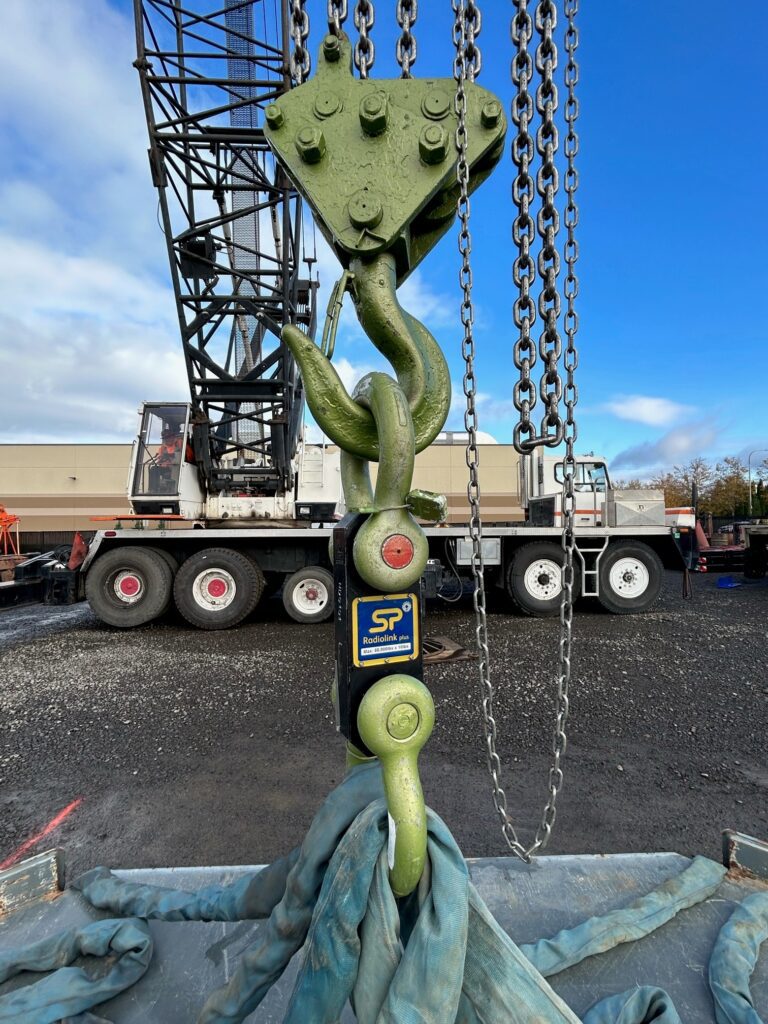
A digital load link rental, also known as a crane load cell, testing the weight of a load on a jobsite.
Accurate load data is one of the most valuable tools on a jobsite. Digital load links and compression load cells help crews verify weight, monitor load share, and better understand how force is distributed during lifting or weighing applications.
Digital load links are essentially crane tension load cells. They are installed in line with the rigging and measure pulling force in a sling leg, hoist line, test setup, or crane load testing application.
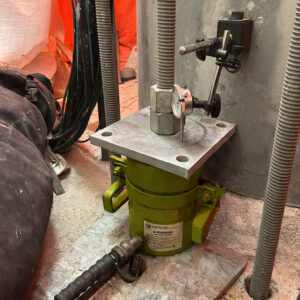
Compression load cells measure downward force under a load. They are often used for weighing, center-of-gravity verification, load distribution checks, and multi-point weighing.
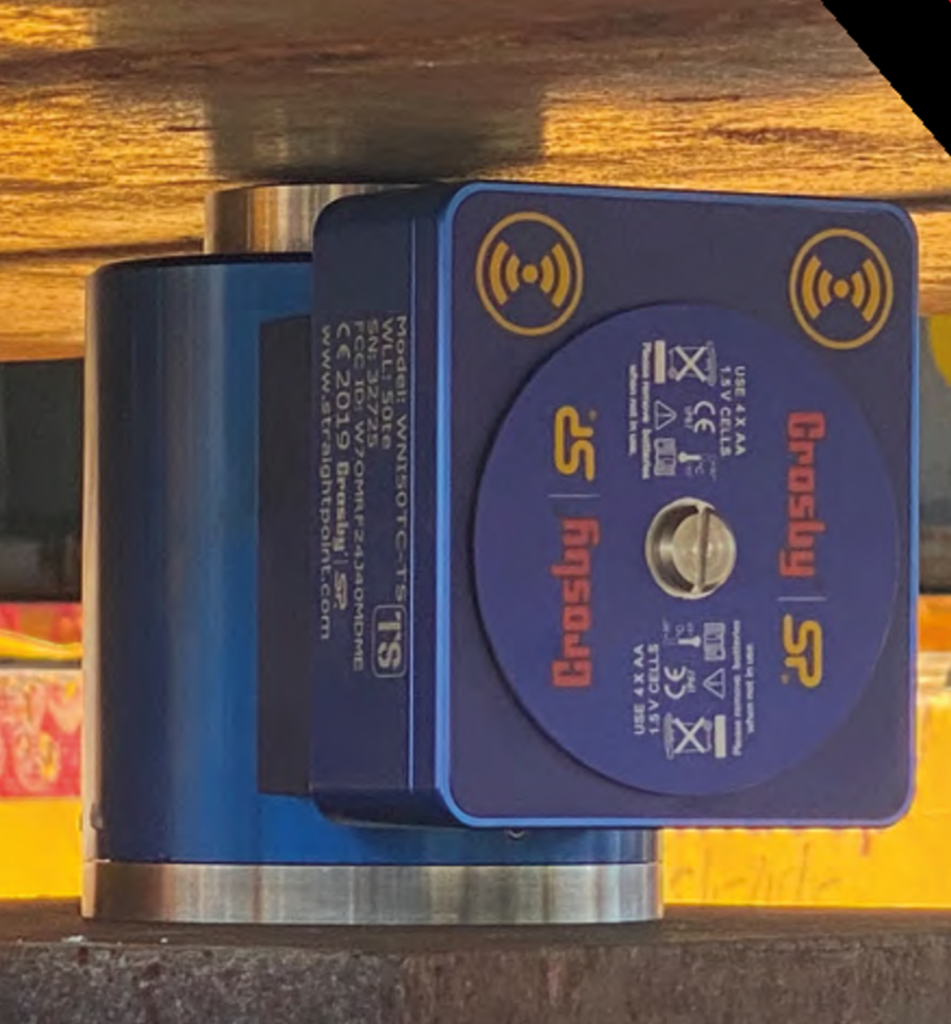
A Crosby compression load cell rental from LGH.
Load cells are useful when:
- Load weight is unknown or uncertain.
- Drawings are outdated or unavailable.
- The load may have an offset center of gravity.
- Crews need to verify load share between lift points.
- A proof test or crane load test requires documented load data.
- The project involves modular skids, fabricated steel, transformers, machinery, or custom equipment.
Knowing the load before the lift helps crews make better decisions and reduces the risk of relying on assumptions.
Modular Spreader Beams for Long or Complex Loads
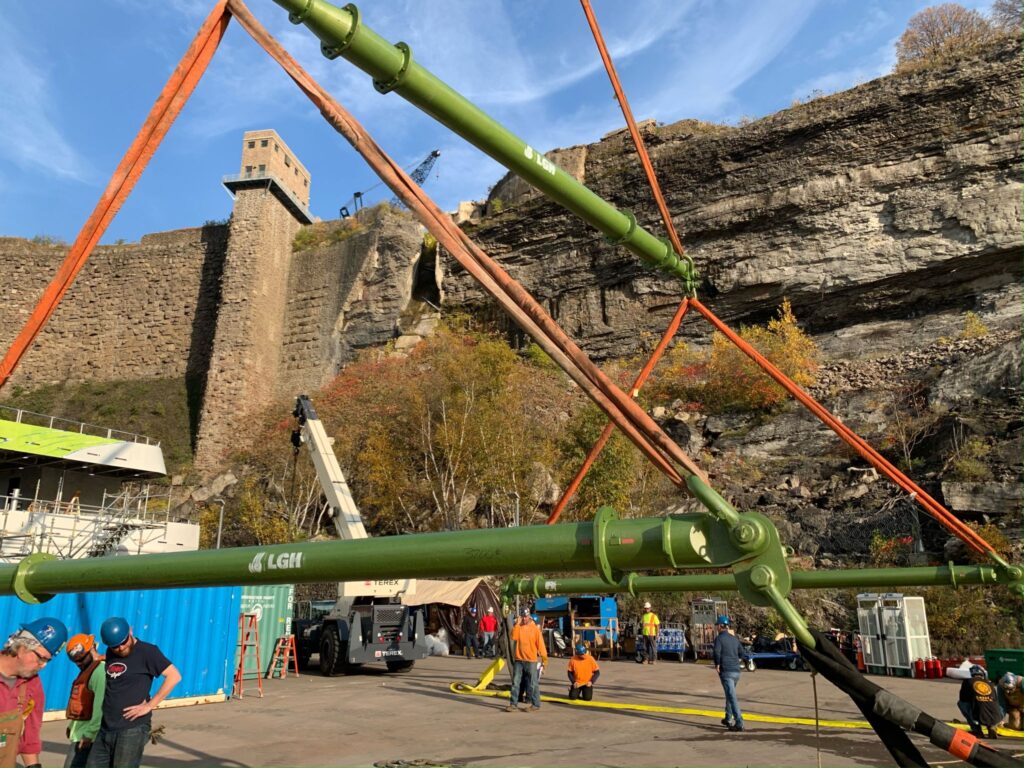
An industrial heavy-duty jobsite lift, featuring polyester round slings and modular spreader beam rentals from LGH.
Modular spreader beams are one of the most common types of crane rigging equipment used for long, wide, heavy, or sensitive loads. They help distribute load forces through multiple rigging points and can improve sling angles when configured correctly.
Because modular spreader beams can be assembled in different lengths and capacities, they are useful for projects where lift conditions may change from one pick to the next.
Modular spreader beams are commonly used for:
- Industrial equipment
- Precast concrete
- Structural steel
- Skids and modules
- Tanks and vessels
- Machinery
- Long or flexible loads
- Loads with multiple pick points
By adjusting beam length and sling geometry, crews can better control load distribution and reduce unwanted forces on the load and rigging. LGH rents the Modulift modular spreader beam system.
Lifting Beams for Low-Headroom Crane Lifts
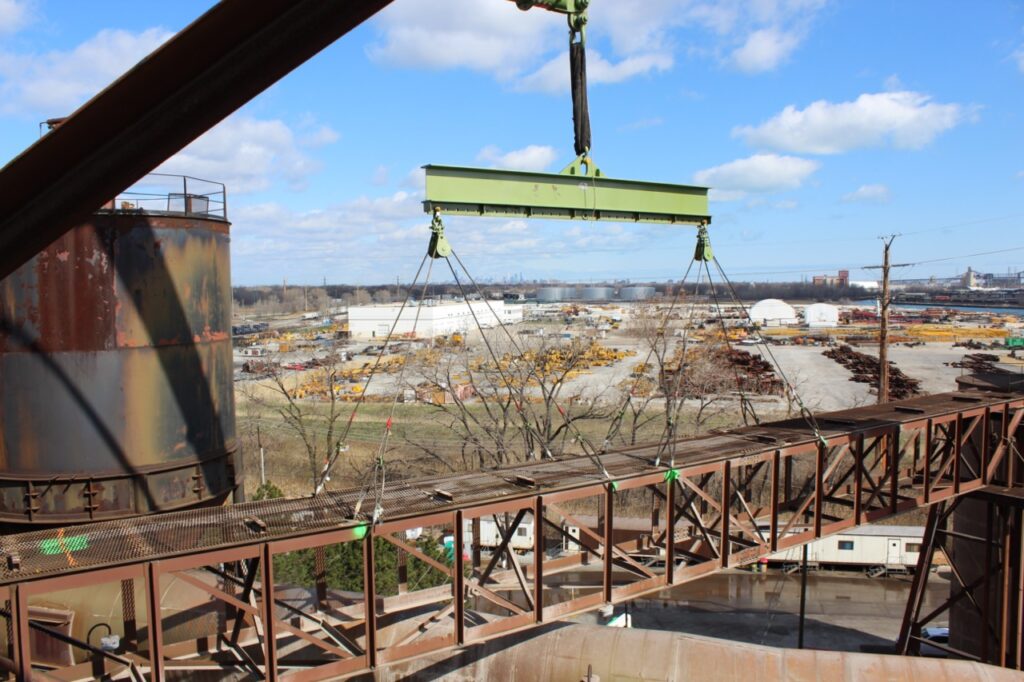
When headroom is limited, a lifting beam may be a better option than a spreader beam. Lifting beams are often used with a center pick point and lower connection points, which can reduce the amount of vertical rigging height required.
Center-pick lifting beams are useful in:
- Indoor facilities
- Manufacturing plants
- Tight mechanical spaces
- Areas below overhead obstructions
- Equipment installation projects
- Low-headroom crane lifts
- Congested industrial environments
These beams help crews maintain a stable lifting point when sling length, boom angle, or overhead clearance is restricted. Check out the full line of lifting beam rentals from LGH here.
Multi-Lug Lifting Beams for Adjustable Pick Points
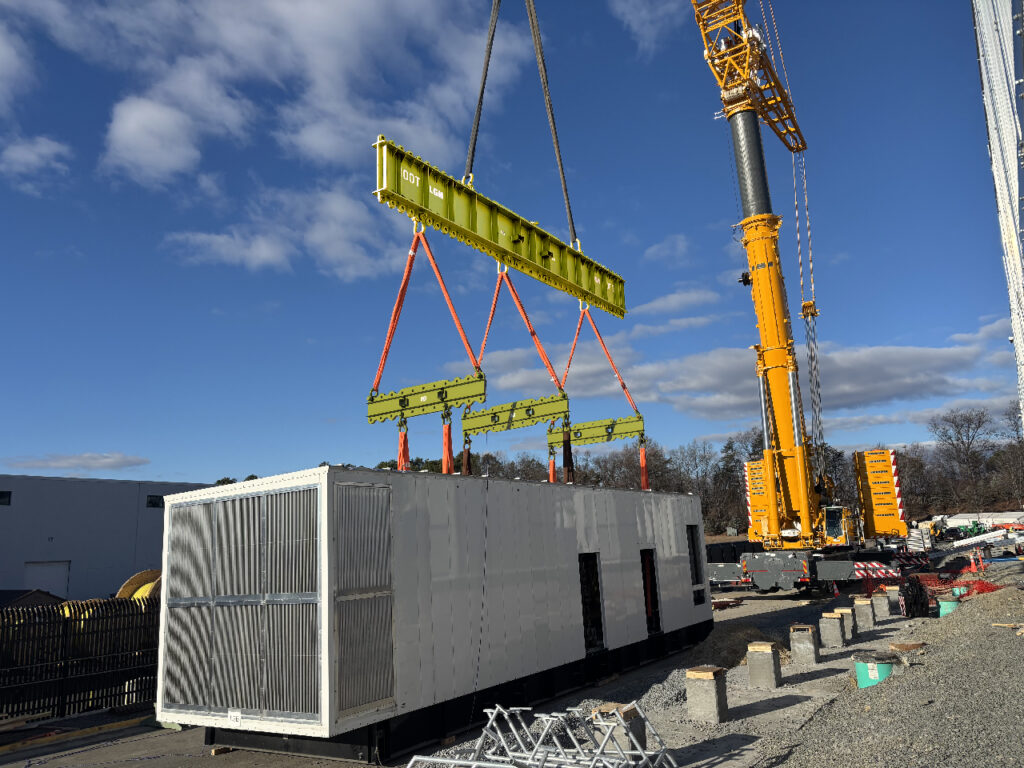
Rigging equipment rentals can help execute a complex crane lift plan.
Multi-lug lifting beams give crane crews multiple connection points along the beam. This makes it easier to adjust pick points, balance off-center loads, and adapt to irregular equipment without fully changing the rigging approach.
Multi-lug beams are useful for:
- Machinery installation
- Equipment placement
- Off-center loads
- Loads with changing pick points
- Industrial maintenance
- Projects requiring more rigging flexibility
For crane crews, that adjustability can help reduce downtime when conditions change in the field.
Chain Hoists for Below-the-Hook Adjustment
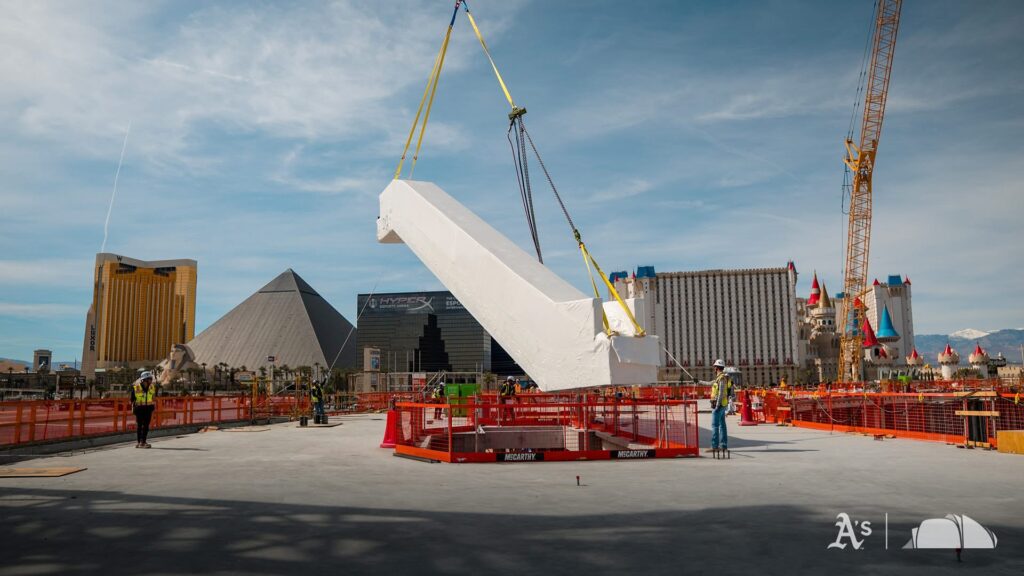
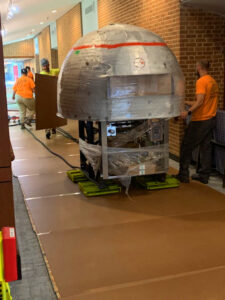
An air chain hoist rental from LGH helped make this escalator lift possible.
Chain hoists can also play an important role in crane rigging equipment setups, especially when crews need more control below the hook. In some crane lifts, chain hoists are used as part of the rigging configuration to help level a load, adjust sling tension, control an offset center of gravity, or fine-tune the load’s position before final placement.
Depending on the application, crews may use hand chain hoists, lever hoists, air chain hoists, or other hoisting equipment below the hook. These tools can be especially useful when handling machinery, structural components, escalators, modular equipment, or loads that need careful alignment during installation.
Chain hoists may be used in below-the-hook configurations to help:
- Level uneven or off-center loads
- Adjust individual rigging legs
- Control load position during installation
- Support final alignment in tight spaces
- Assist with multi-point rigging setups
- Make controlled adjustments before the final set
As with any crane rigging equipment, the hoist must be properly rated, aligned, inspected, and matched to the full lifting setup. Crews should also confirm that the hoist, rigging hardware, support points, and load path are all compatible with the lift plan. Check out LGH’s full line of chain hoist rentals here.
Man Baskets for Personnel Access
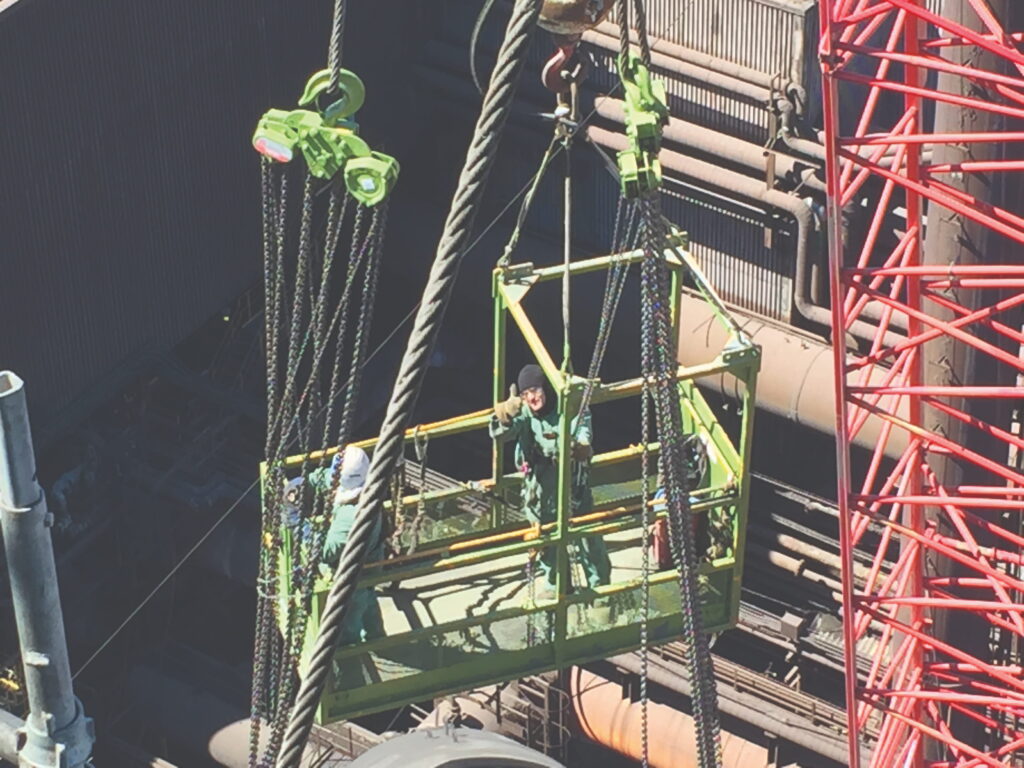
Man baskets give crane crews a purpose-built way to lift personnel for certain elevated work applications. They are commonly used when crews need access to areas where scaffolding, ladders, or aerial lifts may not be practical.
Man baskets may be used for:
- Bridge work
- Industrial maintenance
- Shutdowns
- Structural access
- Inspections
- Elevated installation work
- Construction sites with limited access
Personnel lifting requires careful planning, proper equipment selection, and compliance with applicable safety requirements. The basket, crane, rigging, communication plan, and jobsite conditions all need to be reviewed before use. View the various models of personnel basket rentals from LGH here.
Skip Pans for Material and Debris Handling
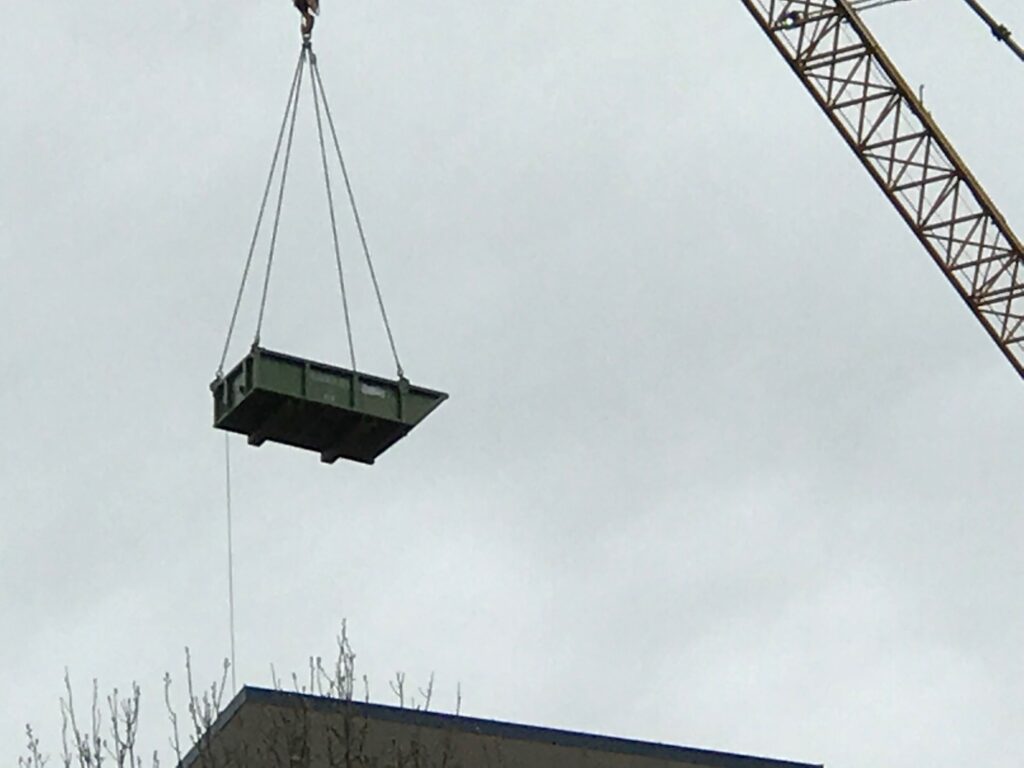
Skip pans, also known as crane hoppers, crane skip, or a trash skip, are crane attachments used to lift, move, and dump materials or debris. They are helpful on jobsites where crews need to remove waste, transport bulk materials, or keep work areas clear without relying on improvised containers.
Common skip pan applications include:
- Construction debris removal
- Concrete demolition cleanup
- Industrial shutdown work
- Bridge and infrastructure projects
- Material transport on congested jobsites
- Elevated work areas with limited access
A properly rated skip pan helps crews keep material handling organized and controlled, especially when moving loose material overhead. See crane skip pan rentals from LGH here!
Slings, Shackles, and Rigging Hardware
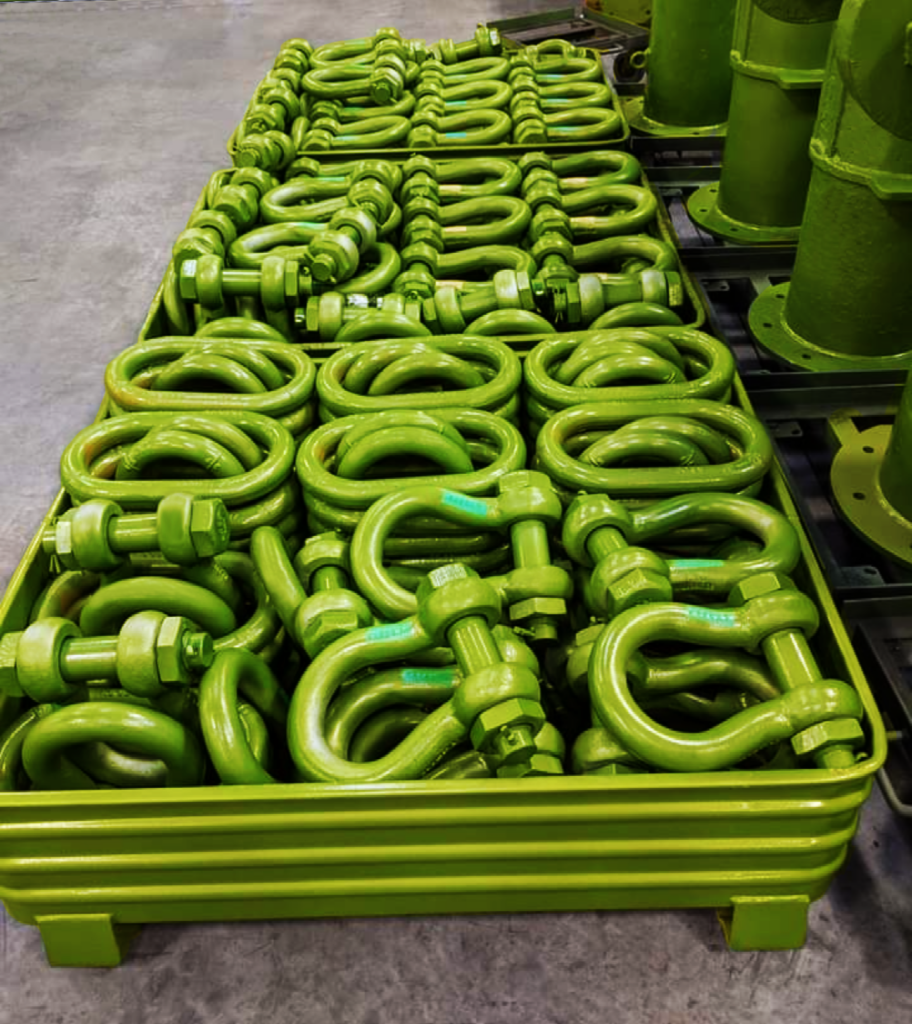
Crane rigging equipment also includes the hardware that connects every part of the lift. Shackles, slings, hooks, swivels, hoist rings, and other components all play a role in creating a secure load path.
Common rigging hardware includes:
- Shackles
- Wire rope slings
- Polyester round slings
- Web slings
- Swivels
- Hoist rings
- Hooks
- Turnbuckles
- Beam clamps
- Trolleys
Every component in the load path must be properly rated and compatible with the rest of the lifting system. A crane lift is only as strong as the full rigging assembly.
What Are the Most Common Types of Crane Attachments Used in Construction?
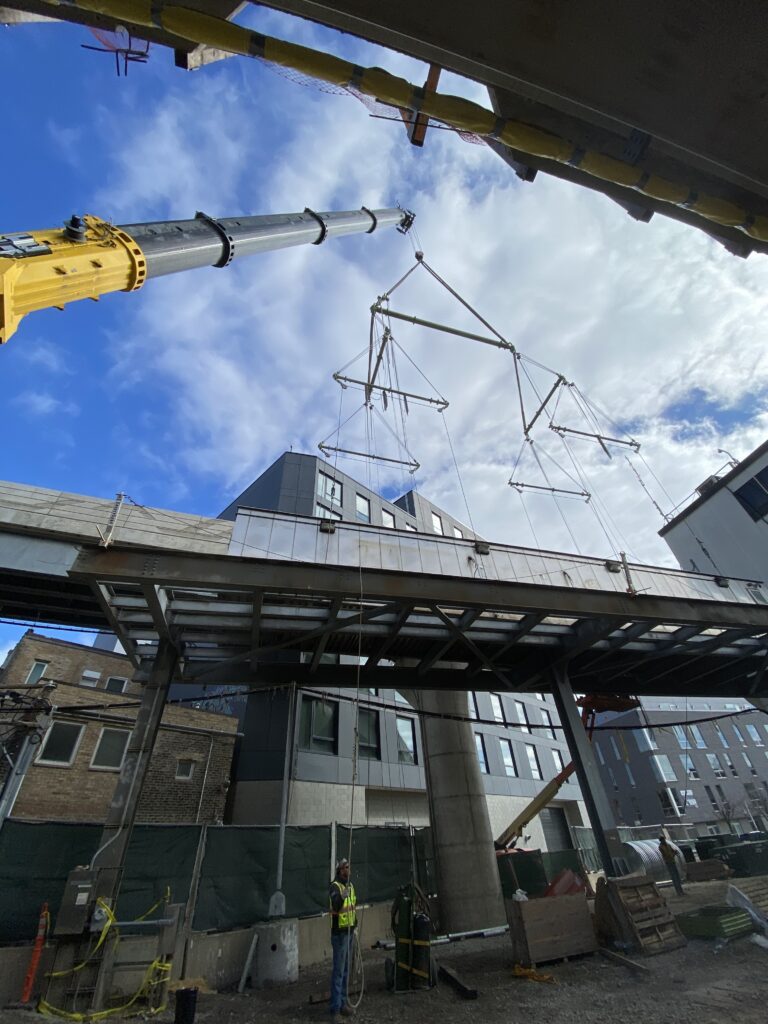
The most common types of crane attachments used in construction include spreader beams, lifting beams, shackles, slings, hooks, load cells, man baskets, skip pans, material baskets, and other rigging hardware.
These attachments help crews:
- Connect the crane to the load
- Balance long or off-center loads
- Improve sling angles
- Verify load weight
- Monitor load forces
- Move personnel when allowed
- Handle debris and materials
- Control lifting points
- Adapt to tight or congested jobsites
The right attachment depends on what is being lifted, where it is being lifted, and how much control the lift requires.
Crane Equipment Rental vs. Ownership
Crane equipment rental can be a practical option when crews need specialized rigging equipment for a specific lift or short-term project. Not every crane company needs to own every spreader beam, lifting beam, load cell, man basket, skip pan, or rigging configuration.
Renting crane rigging equipment can help crews:
- Access the right tool for the lift
- Avoid long-term storage requirements
- Reduce ownership and maintenance costs
- Adapt to changing project needs
- Get tested and certified equipment
- Expand lift capabilities for specific jobs
- Respond quickly to last-minute field changes
For specialized lifts, rental gives crane crews more flexibility without requiring a major capital purchase.
How LGH Supports Crane Crews
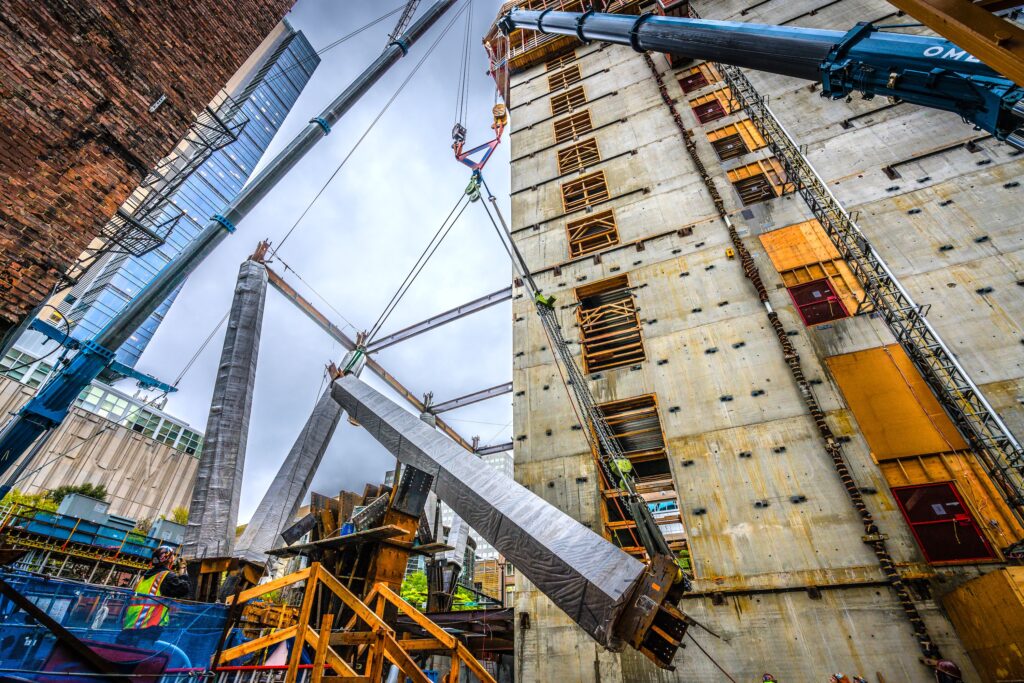
LGH provides crane rigging equipment and lifting equipment rentals for construction, industrial maintenance, manufacturing, infrastructure, utilities, marine, energy, and other demanding applications.
Our rental specialists can help review the load, lift points, headroom, capacity requirements, sling angles, load monitoring needs, material handling requirements, and jobsite conditions to help identify the right equipment for the lift.
Whether your project requires load cells, spreader beams, lifting beams, man baskets, skip pans, shackles, slings, or other crane rigging equipment, LGH can help match the right rental equipment to the job.
Conclusion
The crane may do the heavy lifting, but the right crane rigging equipment helps make the lift controlled, stable, and predictable. Load cells verify weight. Spreader beams and lifting beams improve load control. Man baskets support personnel access. Skip pans move materials and debris. Slings, shackles, hooks, and hardware connect the full system together.
For crane crews working in tight spaces, changing conditions, or demanding lift environments, the right equipment can help reduce guesswork and keep the project moving.
For help choosing crane rigging equipment, crane lifting equipment, or crane equipment rental options for your next project, contact LGH today or call 800-878-7305 to speak with a rental specialist.
Frequently Asked Questions About Crane Rigging Equipment
What is crane rigging equipment?
Crane rigging equipment includes the slings, shackles, hooks, beams, load cells, swivels, hoist rings, and other components used to connect a crane to the load and control the lift.
How do I choose the right rigging equipment for my crane?
Start by reviewing the load weight, center of gravity, pick points, headroom, rigging angles, site access, and job requirements. The equipment should match the load, crane capacity, rigging configuration, and full lift plan.
What are the most common types of crane attachments used in construction?
Common crane attachments include spreader beams, lifting beams, shackles, slings, hooks, load cells, man baskets, skip pans, and material baskets.
What is the difference between crane lifting equipment and crane rigging equipment?
Crane lifting equipment is a broad term that can include anything used to lift, move, or position a load with a crane. Crane rigging equipment usually refers to the slings, shackles, beams, hooks, load cells, and hardware used to connect and control the load.
When should you use a spreader beam with a crane?
Use a spreader beam when the load is long, wide, heavy, flexible, or has multiple pick points. Spreader beams help control sling angles and distribute load forces.
When should you use a lifting beam instead of a spreader beam?
A lifting beam may be useful when headroom is limited. Lifting beams often use a center pick point and lower rigging connections, which can reduce the vertical space needed for the lift.
Why use load cells with crane rigging equipment?
Load cells help verify load weight, monitor load share, support crane load testing, and identify center-of-gravity issues before or during a lift.
Does LGH rent crane rigging equipment?
Yes. LGH rents crane rigging equipment, crane lifting equipment, load cells, spreader beams, lifting beams, man baskets, skip pans, shackles, slings, and related equipment for lifting applications.
LGH is North America’s largest single organization devoted exclusively to the provision of lifting and moving equipment for rent. LGH holds the most comprehensive inventory for hoisting, rigging, jacking, pulling, material handling, and safety equipment. With over 90,000 pieces of equipment, discover your next project solution at RentLGH.com.