Used Rigging Equipment: Risks You Should Know Before You Buy

Used rigging equipment can pose hidden safety risks.
When budgets are tight, buying used rigging equipment can seem like a practical way to save money. Chain hoists, slings, shackles, spreader beams, lifting beams, and other rigging gear can represent a significant investment, especially for companies trying to control project costs. According to the Associated General Contractors of America, the costs of construction materials and services are outpacing the value of completed projects. With that in mind, buying used rigging equipment from an auction or second-hand dealer might seem like a quick way to cut costs.
But rigging equipment is not like ordinary used tools. This equipment is responsible for supporting, lifting, pulling, and moving heavy loads. If it has hidden damage, missing documentation, or an unknown service history, the risks can far outweigh the upfront savings.
Before purchasing used rigging equipment from an auction, surplus sale, or second-hand source, it is important to understand what you may be taking on.
What Are the Risks of Buying Used Rigging Equipment?
The main risks of buying used rigging equipment include hidden damage, missing inspection records, lack of certification, unknown maintenance history, reduced traceability, and potential noncompliance with safety standards. Even if the equipment looks acceptable on the surface, it may have been overloaded, shock loaded, modified, damaged, or improperly repaired.
That uncertainty can create serious safety, liability, and productivity risks once the equipment is placed back into service.
Why Used Rigging Equipment Can Be Risky
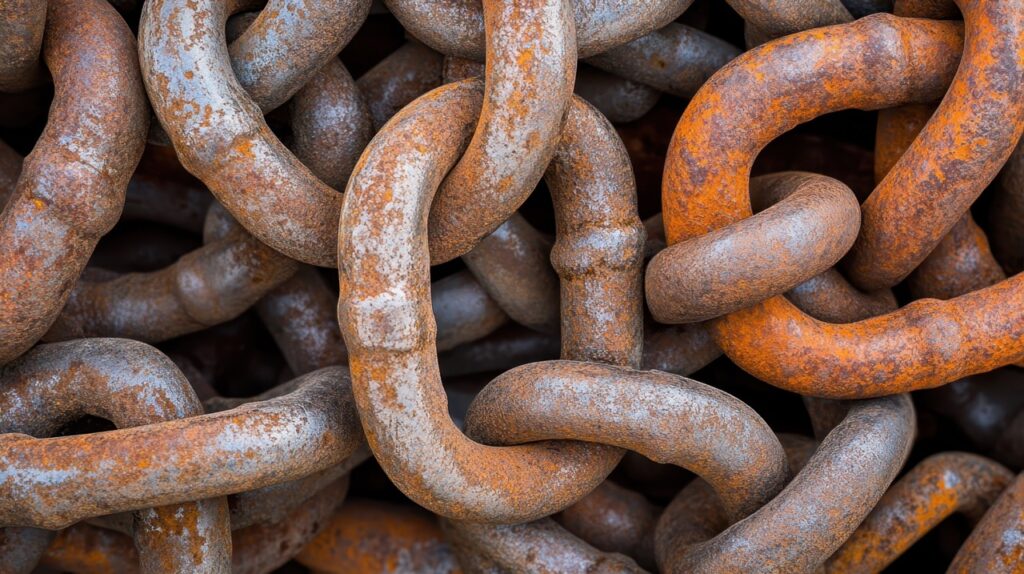
Used rigging equipment is often sold “as-is,” especially at auctions or surplus sales. That means the buyer may receive little or no guarantee about the equipment’s condition, history, or suitability for lifting.
The equipment may appear usable, but visible condition does not always tell the full story. Rigging gear can experience internal wear, fatigue, deformation, corrosion, cracks, or other damage that may not be obvious during a quick visual inspection.
Common concerns include:
- Unknown load history
- Missing inspection records
- Missing or outdated certification
- Hidden cracks or deformation
- Bent hooks, frames, or hardware
- Fatigue damage from repeated use
- Corrosion or internal wear
- Previous overload or shock loading
- Unauthorized repairs or modifications
- Missing manufacturer markings or identification
When used lifting or rigging equipment cannot be fully verified, the buyer assumes responsibility for determining whether it is safe to use.
The Problem with Auction Purchases

Buying used rigging equipment at auction can be especially risky because the equipment is typically sold without a warranty, service history, or updated certification. Auction houses may not have the technical expertise or documentation needed to confirm whether the equipment is safe for lifting.
That means the buyer is responsible for verifying the condition of the gear before it is used. For rigging equipment, that process may require a qualified inspection, load testing, recertification, and documentation.
Without those steps, a low purchase price can become expensive quickly. If the equipment fails inspection, needs repairs, or cannot be certified, the buyer may end up with unusable gear and additional costs.
Why Certification and Traceability Matter
Certification and traceability are critical in lifting and rigging applications. Before equipment is used, contractors need confidence that it has been inspected, tested, rated, and documented for the work being performed.
Used rigging equipment may not include:
- Current inspection records
- Load test documentation
- Manufacturer information
- Serial numbers or identification tags
- Repair history
- Certification records
- Proof of rated capacity
Without proper documentation, it may be difficult to prove that the equipment meets the required standards for safe use. In some cases, the cost and effort required to inspect, test, repair, or recertify the equipment can reduce or eliminate the savings of buying used.
When Buying New Equipment May Make Sense
Buying new rigging equipment can make sense when the gear will be used frequently, maintained properly, and tracked throughout its service life. New equipment provides a clear starting point, including manufacturer documentation, known condition, and proper identification.
For companies that use the same equipment every day and have the resources to inspect, store, maintain, and certify it, purchasing may be a practical investment.
However, for short-term projects, specialty lifts, changing jobsite needs, or equipment that may sit unused for long periods, renting is often the more efficient option.
Why Renting Rigging Equipment Can Be a Safer Alternative

At LGH, our entire fleet undergoes a rigorous inspection, testing, and certification process.
Renting rigging equipment helps reduce many of the risks associated with buying used equipment. Instead of purchasing gear with an unknown history, contractors can rent equipment that is inspected, tested, certified, and ready for use.
When you rent from LGH, you also avoid the long-term responsibilities of ownership, including storage, maintenance, repairs, recertification, and disposal.
Renting can help contractors:
- Access certified equipment for the specific job
- Avoid unknown equipment history
- Reduce storage and maintenance costs
- Match equipment capacity to the project
- Limit long-term ownership responsibilities
- Replace equipment quickly if an issue arises
- Use specialized gear only when it is needed
For many projects, renting provides a safer and more flexible way to access the right lifting and rigging equipment without taking on the uncertainty of used gear.
Questions to Ask Before Buying Used Rigging Equipment
Before buying used rigging equipment, ask:
- Does the equipment have current certification?
- Is the rated capacity clearly marked?
- Are inspection and load test records available?
- Is the manufacturer and model information identifiable?
- Has the equipment ever been overloaded or shock loaded?
- Has it been modified or repaired?
- Are there signs of cracks, corrosion, deformation, or excessive wear?
- Can the equipment be inspected and recertified before use?
- Do you have qualified personnel to evaluate it?
- Would renting certified equipment be safer or more cost-effective?
If these questions cannot be answered clearly, the purchase may carry more risk than it appears.
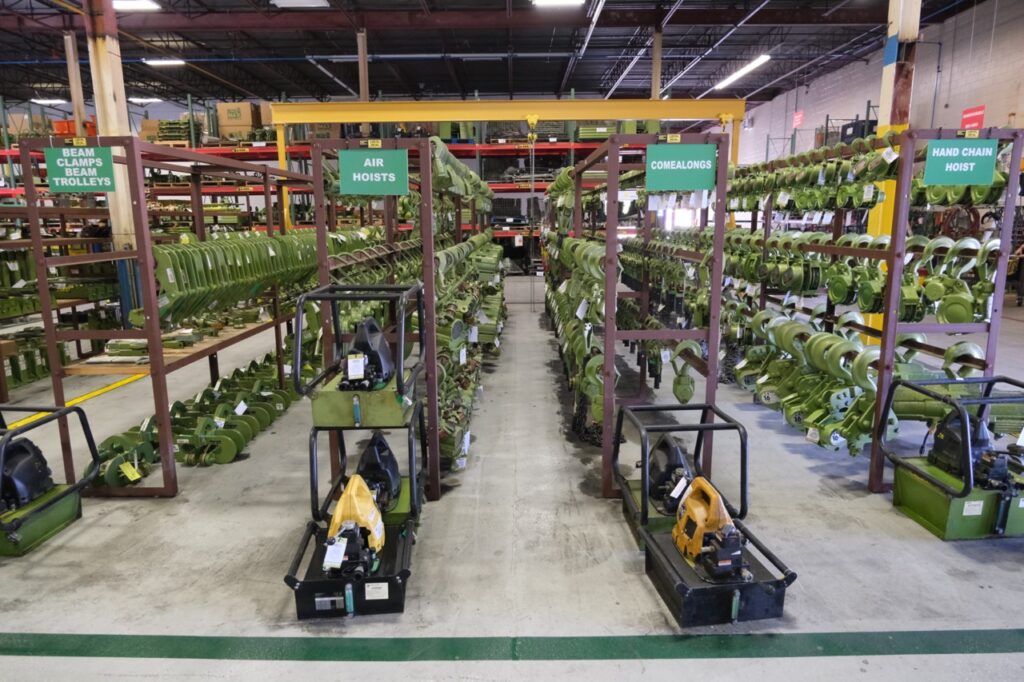
Inside an LGH Rental Center
Conclusion
Used rigging equipment may look like a cost-saving opportunity, but the hidden risks can be significant. Missing certification, unknown service history, hidden damage, lack of traceability, and potential compliance issues can create safety concerns and unexpected costs.
For companies with the right inspection, testing, maintenance, and documentation processes, buying new equipment may be a smart long-term investment. But buying used lifting or rigging equipment from auctions or second-hand sources should be approached carefully.
For many projects, renting certified rigging equipment is the safer and more practical choice. LGH provides inspected, tested, and job-ready hoisting, rigging, jacking, pulling, material handling, and safety equipment for rent across North America.
For help selecting certified rigging equipment for your next project, contact LGH today or call 800-878-7305 to speak with a rental specialist.
LGH is North America’s largest single organization devoted exclusively to the provision of lifting and moving equipment for rent. LGH holds the most comprehensive inventory for hoisting, rigging, jacking, pulling, material handling, and safety equipment. With over 90,000 pieces, discover your next project solution at RentLGH.com.