Safe Rigging Equipment Rentals: How LGH Inspects, Tests, and Certifies Gear

Safety is a priority in lifting and rigging every day of the year. National Safety Month, recognized each June, is a good reminder for companies to review workplace safety practices, identify risks, and reinforce the processes that help crews work more safely.
At LGH, safety is built into the rental process year-round. From employee training to RFID tracking, inspections, testing, certification, and maintenance documentation, several internal processes help ensure customers receive equipment that is inspected, certified, and ready for the job.
In this blog post, we’ll look at three ways LGH supports safe rigging equipment rentals before gear reaches the jobsite.
1. Training Employees Across the Organization

Proper training is one of the most important parts of lifting and rigging safety. At LGH, training is not limited to one department. Warehouse technicians, foremen, rental representatives, and other team members all play a role in helping customers receive the right equipment in the right condition.
LGH warehouse staff complete a combination of video and in-person training over several months. Technicians also receive manufacturer training related to servicing equipment and preparing hoisting gear according to applicable standards and manufacturer requirements.
Regional warehouse foremen complete Lifting Equipment Engineers Association training and are also trained to perform monthly safety audits at LGH rental centers.
LGH rental representatives receive training as well. New sales reps complete Industrial Training International coursework covering topics such as sling inspection, rigging hardware inspection, removal criteria, load control, center of gravity, hitch types, pick points, and sling tensions. They also participate in in-house LGH training focused on equipment applications, safe operation, and troubleshooting.
This training helps LGH employees better understand the equipment, the rental process, and the questions customers may need to answer before choosing lifting or rigging gear.
2. Tracking Equipment with RFID Technology
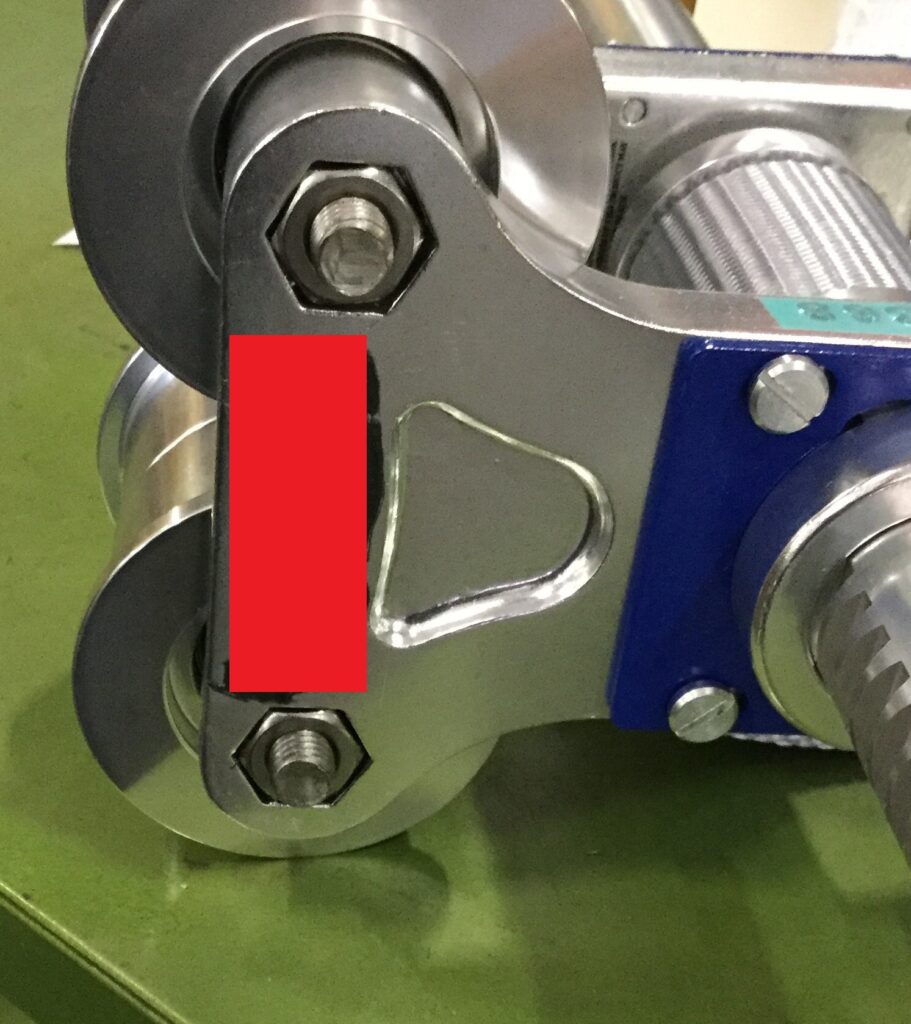
LGH uses RFID tags to digitally track equipment throughout the rental process. Each piece of equipment is assigned an RFID tag, allowing LGH to maintain digital records tied to that item.
This tracking process helps document important equipment information, including rental activity, maintenance logs, repairs, inspections, and other equipment history. Equipment is scanned when it goes out on rental and when it returns, helping LGH keep better visibility into the status of the fleet.
This matters because lifting and rigging equipment must be tracked, inspected, maintained, and certified consistently. Digital tracking helps reduce the risk of relying only on manual logs or informal recordkeeping.
For a rental fleet as large and active as LGH’s, RFID tracking supports better organization, accountability, and equipment readiness across rental centers.
3. Inspecting, Testing, and Certifying Returned Equipment

Another key part of LGH’s safety process happens when rental equipment returns to the warehouse. Before equipment is rented again, it goes through an inbound inspection, testing, and certification process based on manufacturer guidance and applicable standards.
The process may vary by equipment type, but it can include several important steps.
First, the equipment is disassembled or stripped down as needed so technicians can inspect internal and external components. Parts are checked for wear, damage, deformation, corrosion, or other issues that could affect performance.
For hoisting equipment with chain, the chain is removed, cleaned, and tumbled to remove surface rust and buildup. This is not just cosmetic. A clean chain allows technicians to inspect more accurately for wear, stretch, deformation, or damage.
Once the equipment has been inspected and serviced, it is reassembled and tested. Hoisting equipment that requires load testing is tested according to the applicable requirements. Technicians complete a computerized checklist and document the process, including photos at the test stand when required.
If the equipment passes inspection, testing, and certification, it is prepared for the next rental. If it does not pass, it is repaired, removed from service, or addressed according to LGH’s internal process.
Why This Process Matters for Customers
When crews rent lifting and rigging equipment, they need confidence that the gear has been properly handled before it arrives on site. Equipment condition, documentation, and traceability all matter.
LGH’s process helps support:
- Better equipment traceability
- Documented maintenance history
- Consistent inspection procedures
- Load testing when required
- Certification before rental
- Cleaner, better-organized rental equipment
- Support from trained rental and warehouse teams
A strong rental process helps reduce guesswork for customers and gives crews access to equipment that has been inspected, tested, and prepared before the job begins.
Safe Rigging Starts Before the Lift
Safe rigging does not begin when the load leaves the ground. It begins with planning, equipment selection, inspection, and documentation.
Before any lift, crews should confirm the load weight, center of gravity, sling angles, pick points, rigging hardware, equipment capacity, jobsite conditions, and lift plan. Renting certified equipment is one part of that process, but the full lifting setup must always be reviewed before use.
LGH supports customers by providing rental equipment, documentation, and access to knowledgeable rental specialists who can help review equipment options for the application.
Conclusion
National Safety Month is a reminder to review safety practices, but lifting and rigging safety requires attention all year long. At LGH, safe rigging equipment rentals are supported by employee training, RFID tracking, inspection, testing, certification, and documented equipment processes.
These steps help ensure that rental equipment is inspected, maintained, and prepared before it reaches the jobsite.
For help choosing certified rigging equipment, hoists, slings, shackles, lifting beams, gantries, jacks, or other rental equipment for your next project, contact LGH today or call 800-878-7305 to speak with a rental specialist.
LGH is North America’s largest single organization devoted exclusively to the provision of lifting and moving equipment for rent. LGH holds the most comprehensive inventory for hoisting, rigging, jacking, pulling, material handling, and safety equipment. With over 90,000 pieces, discover your next project solution at RentLGH.com.