Electric Power Bar Dolly System: How to Safely Move Heavy Equipment
Moving heavy equipment across a jobsite requires the right combination of control, force, and load-moving equipment. An electric power bar dolly system is designed to help move heavy items horizontally when used with compatible rotating skates, tank rollers, or air skates.
Unlike a lifting device, an electric power dolly system is not meant to raise a load or support weight directly on its body. Its purpose is to provide controlled pushing force so crews can move heavy equipment more efficiently and with less manual effort. However, because the equipment is powerful, proper setup and operation are essential.
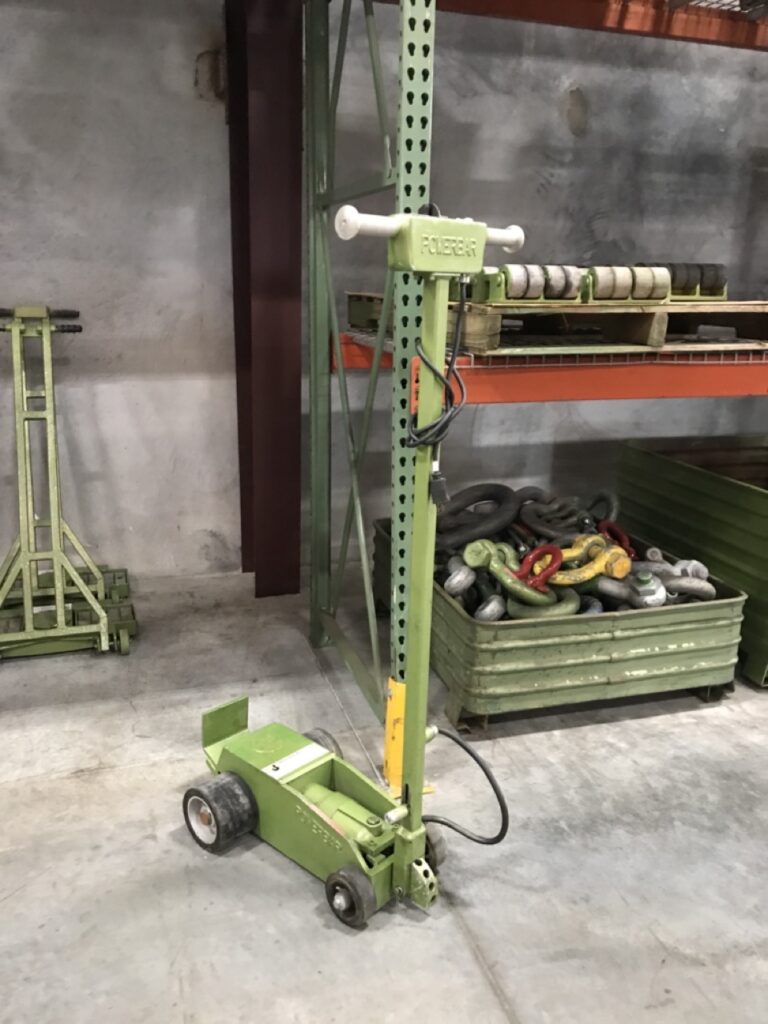
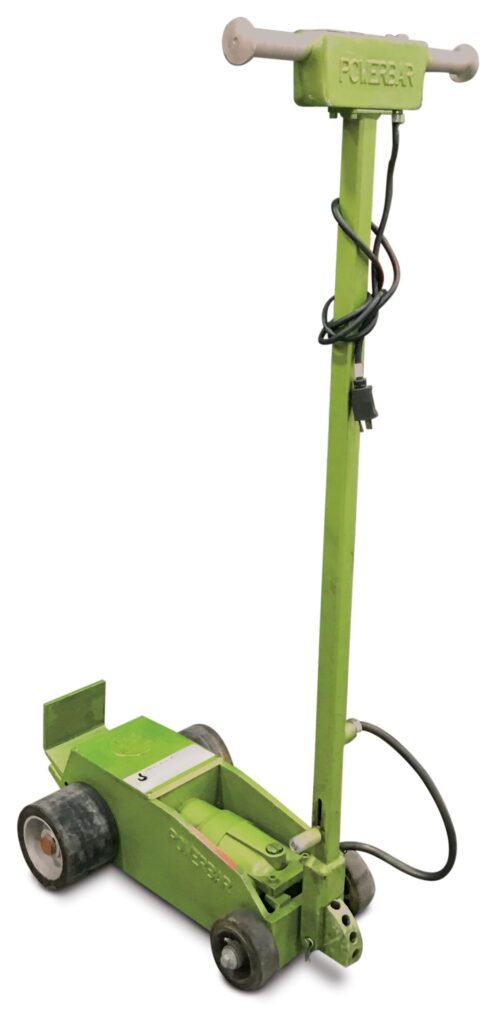
LGH electric dolly power bar dolly system.
In this guide, we’ll explain what an electric power dolly system does, how it works with load-moving equipment, common misuse issues to avoid, and best practices for safer operation.
What Is an Electric Power Dolly System?
An electric power dolly system is a powered pushing device used to move heavy equipment horizontally across a floor or work surface. It is typically used with rotating skates, simple tank rollers, or air skates to help move machinery, industrial equipment, fabricated components, and other heavy items.
The electric power bar provides the pushing force, while the dolly or roller system supports the weight of the load. This distinction is important. The load should never be placed directly on top of the power unit. Instead, the load-moving equipment should support the load, and the system should contact the load through the two front tongues.
In simple terms, an electric power dolly system helps move the load, but it does not carry the load. When properly used with compatible transport equipment, it can help crews move heavy items with greater control and less manual effort.
When Should You Use an Electric Power Dolly System?
Electric power bar dolly system for heavy items from LGH.
An electric power dolly system is useful when heavy items need to be moved horizontally and manual pushing force is not practical. When paired with the right load-moving equipment, it can help crews move heavy equipment, machinery, tanks, fabricated components, and other industrial loads across a clean, level surface.
An electric power bar dolly system may be a good fit when the load is too heavy to move manually, the travel path is suitable, and compatible dollies, tank rollers, or air skates are being used to support the weight. The system provides the force needed to move the load, while the supporting equipment keeps the load stable during transport.
This equipment should not be used as a lifting device, pulling device, or load-bearing platform. It should only be used as part of a properly planned load-moving setup where the floor, power supply, load weight, and support equipment have all been reviewed.
Common Electric Power Dolly System Mistakes to Avoid
1. Placing the Load on Top of the Unit
The most common misuse is placing the load directly on top of the electric power bar dolly system. The unit is not designed to act as a platform, dolly, or load-bearing surface. It is a pushing device.
Always place the load on the two front tongues, not on the body of the unit. The compatible dollies, tank rollers, or air skates should support the weight of the load, while the electric power dolly system provides the force needed to move it.
2. Reversing Direction Before the Unit Stops
If the wheels stop turning while the motor continues to run, the spur gear or motor cluster may be damaged. This can happen when the operator shifts from forward to reverse before the unit has fully stopped.
To help prevent drivetrain damage, bring the electric power dolly system to a complete stop before changing direction. Controlled operation is especially important when moving heavy equipment, where sudden changes can place additional stress on the system.
3. Using the Wrong Power Cord or Circuit
If the circuit breaker keeps tripping, the issue may be related to the power supply. A cord that is too long, too small in gauge, or connected to an inadequate circuit can prevent the electric power dolly system from receiving the amperage it needs.
Before operation, verify the required cord gauge, cord length, and amperage. Use a clean, dedicated 20-amp circuit when required, and avoid using an undersized extension cord that could reduce performance or interrupt the move.
Electric Power Dolly System Operating Best Practices
Before using an electric power bar dolly system, review the manufacturer’s instructions and confirm that the entire load-moving setup is suitable for the application. The load, floor condition, travel path, power source, and support equipment all affect how safely the move can be completed.
Follow these best practices during operation:
Use the system to push only; never use it to pull the load.
Never place the load directly on top of the unit body.
Use the two front tongues as the intended contact points.
Make sure the load is supported by compatible dollies, tank rollers, or air skates.
Inspect the travel path for debris, cracks, slopes, or obstructions.
Confirm the floor is clean, level, and capable of supporting the load.
Adjust the handle height for proper leverage and operator control.
Apply downward pressure on the handle to improve traction.
Come to a complete stop before reversing direction.
Verify that the extension cord and circuit meet power requirements.
Taking the time to set up the move correctly can help prevent equipment damage, reduce downtime, and improve control while moving heavy items.
Conclusion
An electric power bar dolly system can be a valuable piece of load-moving equipment when crews need to move heavy equipment safely and efficiently. When used with the proper dollies, tank rollers, or air skates, it provides controlled pushing force for horizontal load movement.
To use an electric power dolly system safely, make sure the load is properly supported, the unit is positioned correctly, the floor is suitable, and the operator follows the manufacturer’s instructions. Avoid common mistakes like placing the load directly on the unit, reversing direction too quickly, or using the wrong power cord setup.
For help selecting the right electric power dolly system, dollies, tank rollers, air skates, or other load-moving equipment for your next project, contact your local LGH representative or call 800-878-7305 to speak with a rental specialist.
LGH is North America’s largest single organization devoted exclusively to the provision of lifting and moving equipment for rent. LGH holds the most comprehensive inventory for hoisting, rigging, jacking, pulling, material handling, and safety equipment. With over 90,000 pieces of equipment, discover your next project solution at RentLGH.com.