Pneumatic Oilers and Dirt Stoppers: Small Accessories That Help Prevent Big Downtime
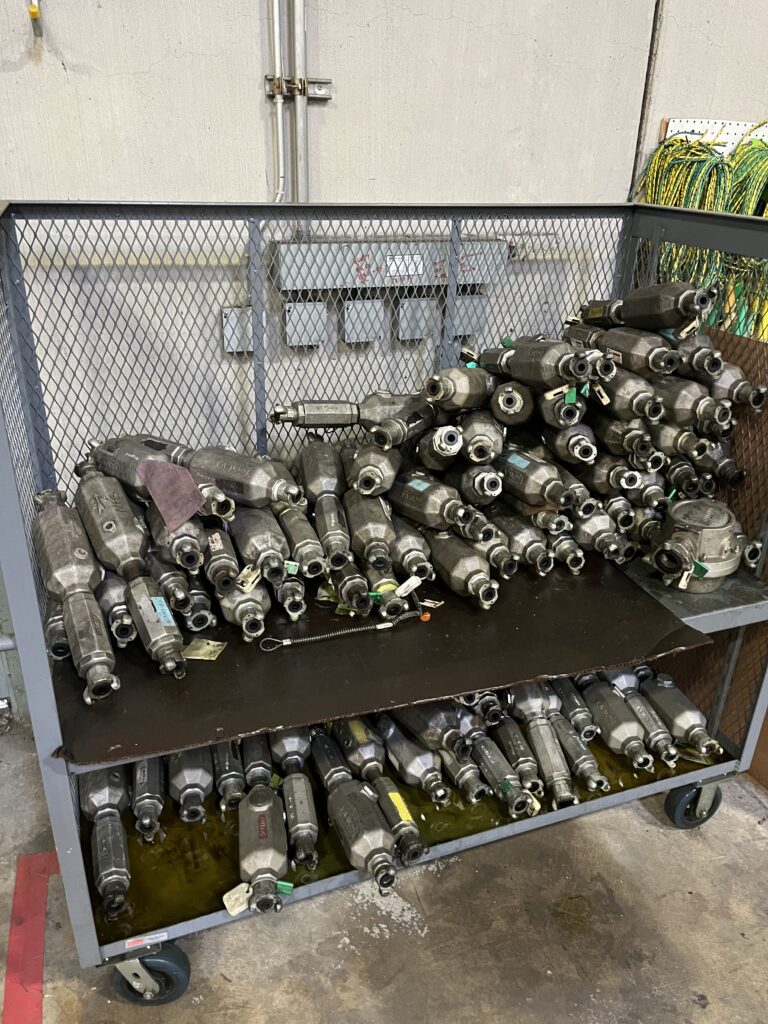
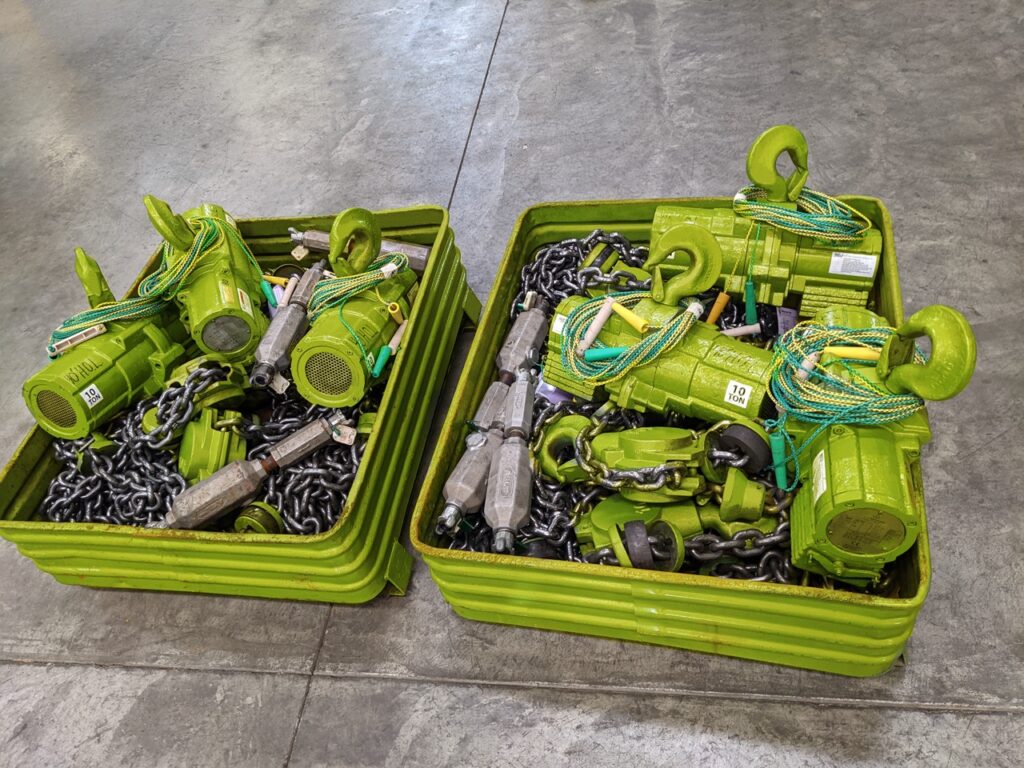
A rack of pneumatic oilers and dirt stoppers from LGH.
A pneumatic oiler helps keep air-powered equipment properly lubricated by adding oil into the compressed air line. When paired with a dirt stopper, it can help protect pneumatic tools, air chain hoists, air winches, and other air-powered equipment from two common problems: dry internal components and contaminated air.
Compressed air systems can carry moisture, dirt, rust, scale, and other debris through the air line. At the same time, many pneumatic tools and hoists need consistent lubrication to operate smoothly. Without the right inline accessories, equipment may experience premature wear, reduced performance, or unexpected downtime.
LGH rents pneumatic oilers, dirt stoppers, air hoses, and other compressed air accessories to support air-powered lifting, pulling, and material handling equipment.
What Is a Pneumatic Oiler?
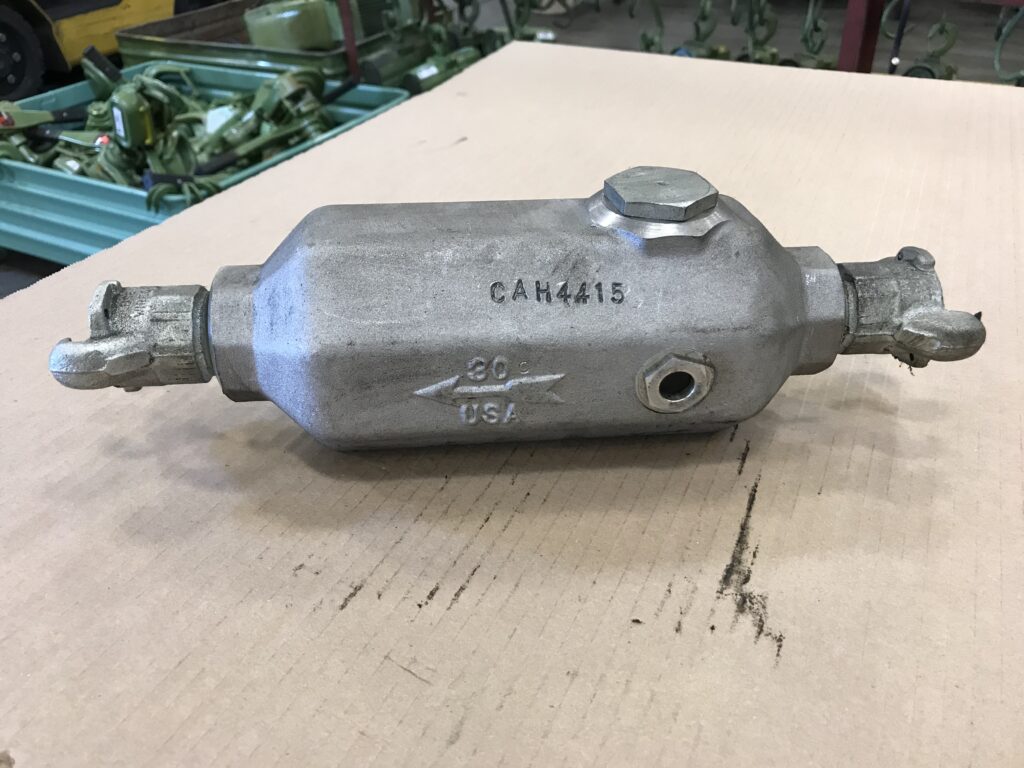
30-CF constant feed pneumatic lubricator from LGH.
A pneumatic oiler, also called a pneumatic lubricator, air tool oiler, compressed air lubricator, or air line lubricator, is an inline device that adds oil into the compressed air stream.
As air moves through the oiler, it carries a controlled amount of lubricant into the pneumatic equipment. This helps lubricate internal components such as motors, valves, cylinders, and moving parts.
Pneumatic oilers are commonly used with:
-
Air chain hoists
-
Air winches
-
Air tuggers
-
Pneumatic tools
-
Air-powered lifting equipment
-
Air-powered pulling equipment
-
Other compressed air equipment
The goal is simple: keep the equipment properly lubricated while it runs.
What Is a Dirt Stopper?
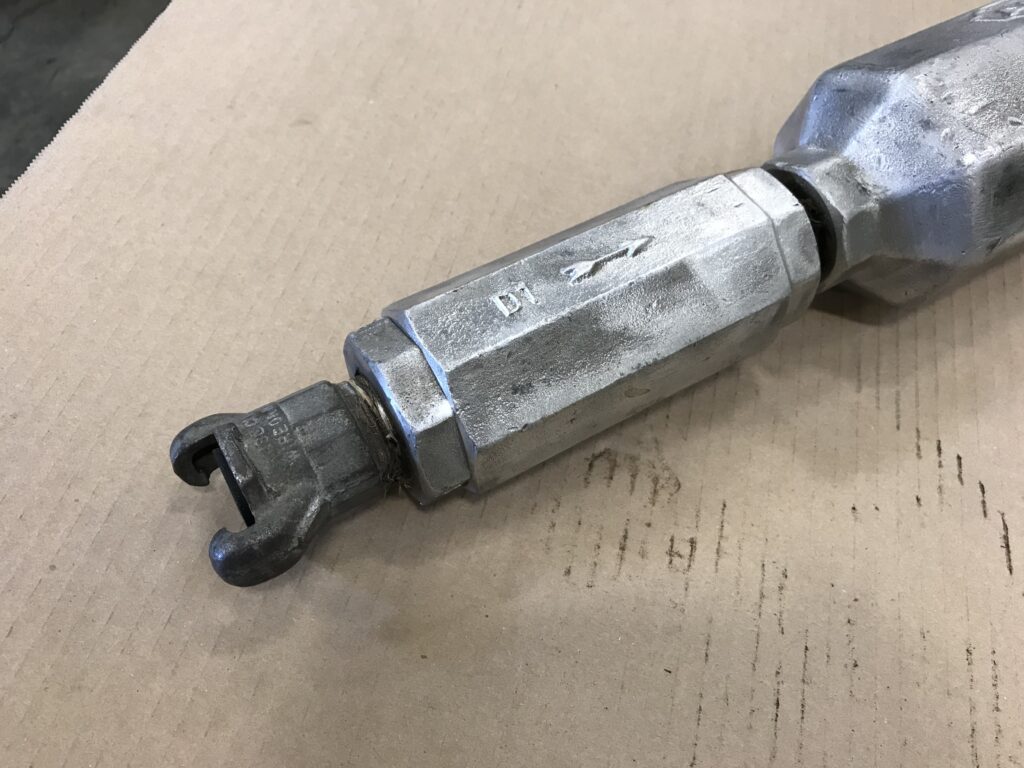
An NPT model inline pneumatic dirt stopper from LGH.
A dirt stopper is an inline pneumatic filter used to help catch debris before it reaches the equipment. It acts as a simple but important line of defense against contaminants that may be present in the compressed air supply.
Compressed air lines can contain dirt, rust, scale, pipe debris, moisture, or other particles. If that debris reaches the equipment, it can clog internal passages, damage components, reduce performance, or contribute to equipment failure.
A pneumatic dirt stopper or inline debris strainer helps reduce that risk by filtering debris before it reaches the tool, hoist, or winch.
Why Use a Pneumatic Oiler and Dirt Stopper Together?
A pneumatic oiler and dirt stopper solve different problems, but they work best as part of the same compressed air setup.
The dirt stopper helps keep debris out of the equipment. The oiler helps keep internal parts lubricated. Together, they help protect air-powered equipment from two common causes of downtime: contamination and lack of lubrication.
Using both accessories can help:
-
Reduce internal wear
-
Improve pneumatic equipment performance
-
Help prevent clogging from debris
-
Support smoother operation
-
Reduce avoidable downtime
-
Protect rental equipment during demanding use
-
Maintain better air delivery to the tool or hoist
-
Support longer equipment service life
For air-powered rental equipment, these accessories are small compared to the hoist or winch itself, but they can make a major difference in performance.
How Does an Inline Air Tool Lubricator Work?
An inline air tool lubricator is installed in the compressed air line between the air supply and the pneumatic equipment. As compressed air flows through the oiler, the device introduces oil into the air stream. That oil travels with the air into the tool, hoist, or winch.
This helps lubricate internal components while the equipment operates.
The exact oiling requirements depend on the pneumatic equipment, manufacturer instructions, air supply, and jobsite conditions. Crews should always confirm the proper lubricant and setup before operating air-powered equipment.
Where Should the Oiler and Dirt Stopper Be Installed?
For best results, the oiler and dirt stopper should be installed close to the inlet coupling of the pneumatic equipment. Placing these accessories near the equipment helps ensure the air is filtered and lubricated just before it enters the tool, hoist, or winch.
A common setup places the dirt stopper before the oiler so debris is filtered before oil is added to the air stream. This helps reduce the chance of sending contaminants into the pneumatic equipment.
Before use, crews should confirm the correct order, connections, hose size, and air flow direction for the specific setup.
What Are the Benefits of Using a Tool Oiler for Pneumatic Tools?
A tool oiler helps keep pneumatic tools and air-powered equipment lubricated during operation. This can reduce friction, limit wear on internal components, and support smoother performance.
The main benefits of using a tool oiler include:
-
Lubricating internal moving parts
-
Reducing friction
-
Helping prevent premature wear
-
Supporting smoother operation
-
Reducing the risk of dry-running equipment
-
Helping maintain performance during extended use
-
Supporting better equipment reliability on the jobsite
Without proper lubrication, pneumatic equipment may run harder, wear faster, or fail sooner than expected.
Why Air Quality Matters for Pneumatic Equipment
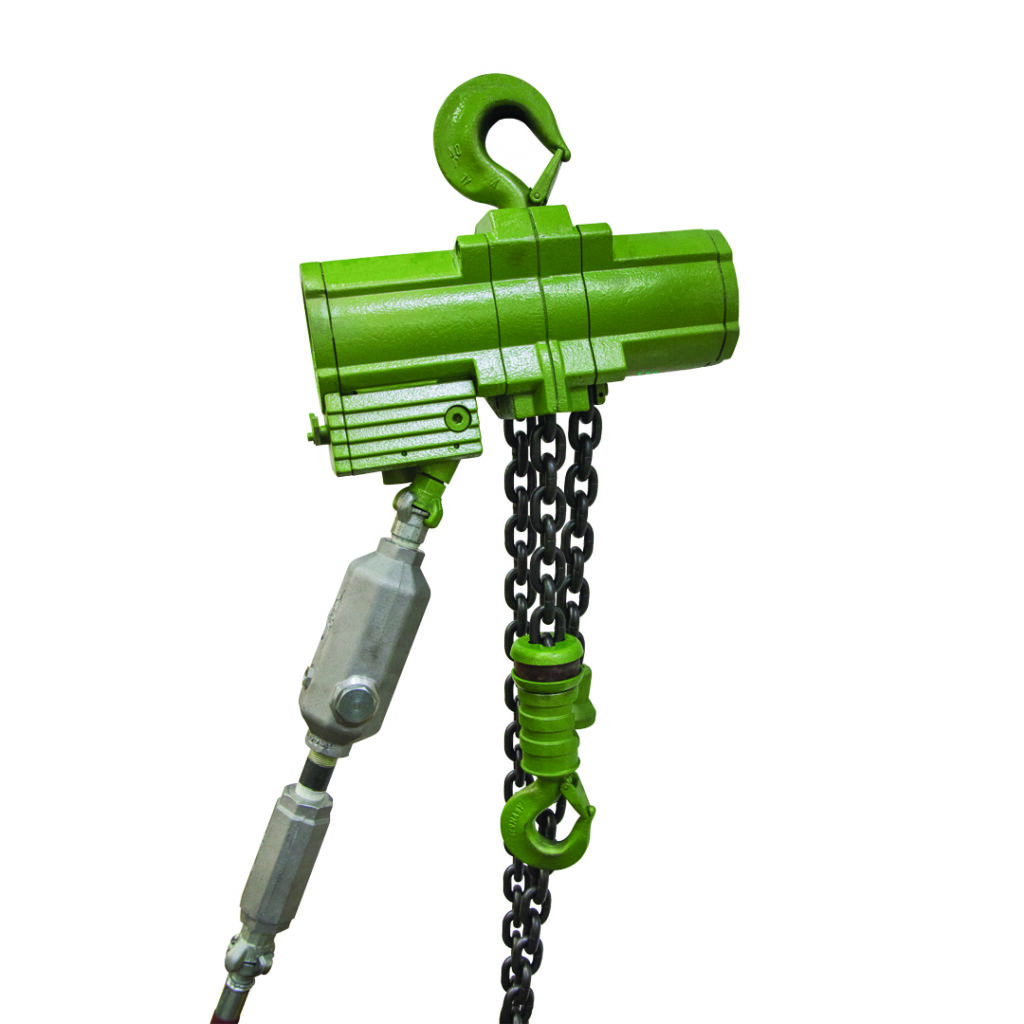
Air chain hoist with a pneumatic oiler and dirt stopper from LGH.
Pneumatic equipment depends on more than air pressure. Air quality matters, too.
Compressed air may contain contaminants that are not visible during setup. Moisture, dirt, rust, and debris can travel through hoses and fittings before reaching the equipment. If those contaminants enter the tool, hoist, or winch, they can cause performance problems or damage.
That is why oilers, dirt stoppers, filter/dryer systems, and properly sized hoses are important parts of a complete compressed air setup.
Choosing the Right Pneumatic Oiler
Choosing the right pneumatic oiler starts with the equipment being used and the air requirements of the application.
Before selecting an inline oiler for pneumatic tools, review:
-
Type of pneumatic equipment
-
Required air pressure
-
Required airflow
-
Hose size
-
Connection size
-
Operating environment
-
Duration of use
-
Lubrication requirements
-
Manufacturer instructions
-
Whether additional filtration is needed
For air chain hoists, air winches, and other air-powered lifting or pulling equipment, the oiler should be matched to the full air system, not selected as an afterthought.
Choosing the Right Dirt Stopper
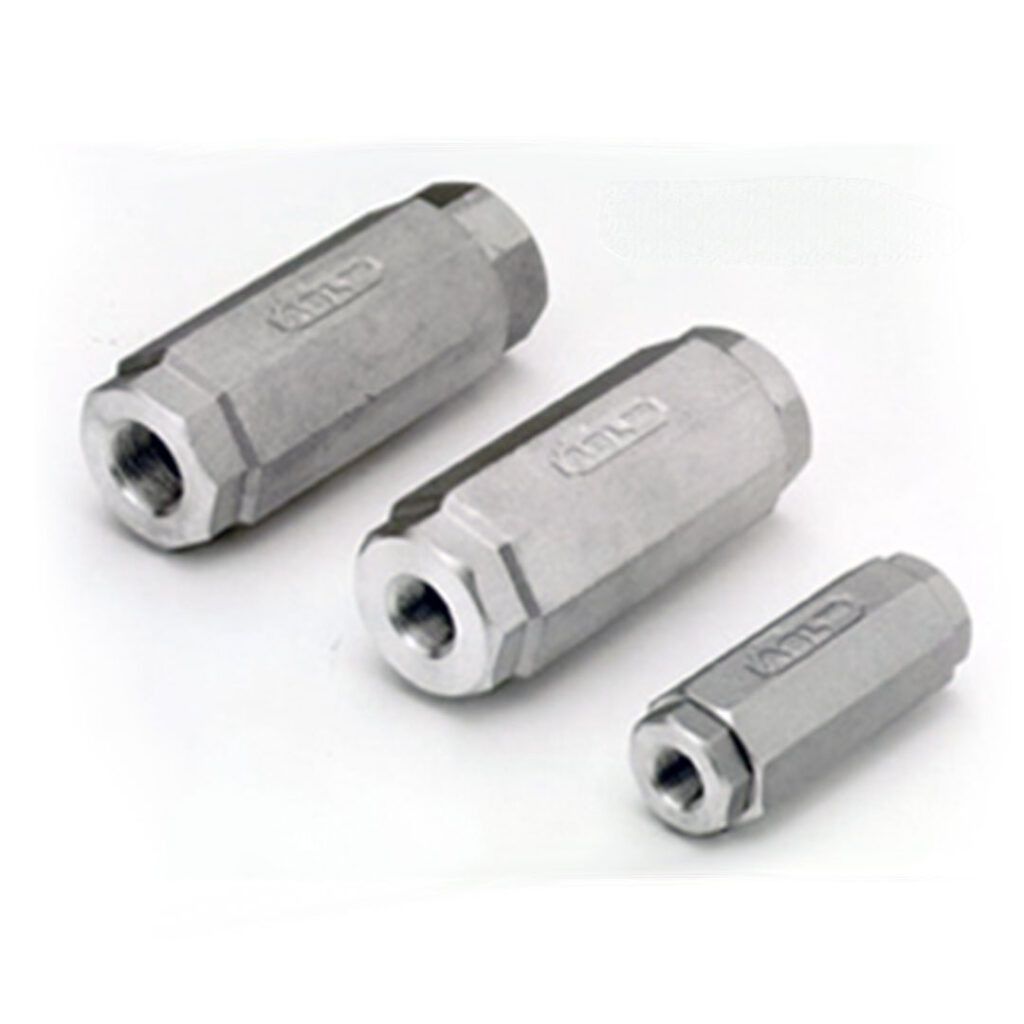
A dirt stopper should be selected based on the air line, equipment type, connection size, and expected contaminants. The goal is to catch debris before it reaches the pneumatic equipment without creating unnecessary restriction in the air line.
Before selecting a pneumatic dirt stopper, review:
A dirt stopper is not a replacement for a full compressed air filter dryer system, but it can help protect equipment from debris in the air line.
Common Mistakes to Avoid
Oilers and dirt stoppers are simple accessories, but they need to be used correctly.
Avoid these common mistakes:
-
Running pneumatic equipment without lubrication when lubrication is required
-
Installing the oiler too far from the equipment
-
Skipping the dirt stopper in dirty or uncertain air systems
-
Using the wrong oil or lubricant
-
Ignoring air flow direction
-
Using undersized hoses or fittings
-
Allowing debris into open hose ends
-
Failing to check oil levels during operation
-
Assuming air pressure alone is enough for proper performance
Small setup mistakes can create larger equipment issues later.
Rent Pneumatic Oilers, Dirt Stoppers, and Air Accessories from LGH
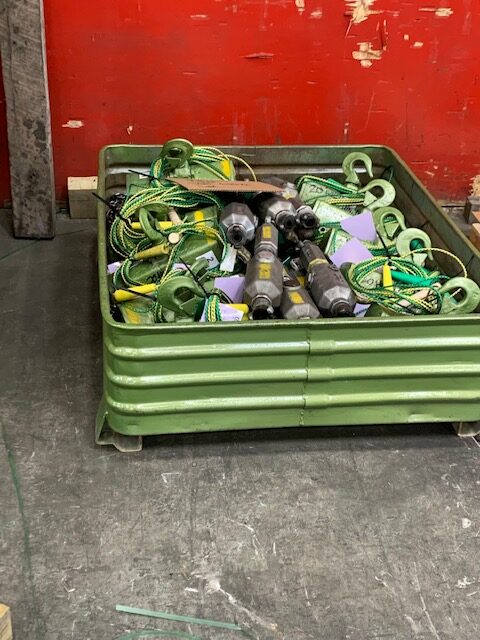
LGH rents pneumatic oilers, dirt stoppers, air hoses, and related compressed air accessories to support air-powered equipment rentals. These components help crews build a more complete compressed air setup for pneumatic tools, air chain hoists, air winches, and other air-powered equipment.
Available accessories may include pneumatic oilers, dirt stoppers, air hoses, filter/dryer systems, air manifolds, receiving tanks, and related fittings. LGH also offers oiler bottles in multiple capacities, including 0.5 pint, 1 quart, and 2 quart options.
Our rental specialists can help review your pneumatic equipment, air supply, hose setup, lubrication needs, filtration requirements, and jobsite conditions to help determine the right accessories for your application. Whether your project requires a pneumatic oiler, pneumatic lubricator, air tool oiler, inline air tool lubricator, pneumatic filter, inline debris strainer, or compressed air lubricator, LGH can help match the right equipment to the job.
Conclusion
Pneumatic oilers and dirt stoppers are small components with an important job. The oiler helps lubricate internal components, while the dirt stopper helps keep debris out of the equipment. Together, they help protect air-powered tools, air chain hoists, air winches, and other pneumatic equipment from avoidable performance issues.
For help choosing pneumatic oilers, dirt stoppers, air hoses, or other compressed air accessories for your next project, contact LGH today or call 800-878-7305 to speak with a rental specialist.
Frequently Asked Questions About Pneumatic Oilers and Dirt Stoppers
What is a pneumatic oiler?
A pneumatic oiler is an inline device that adds oil into a compressed air stream to lubricate internal components in pneumatic tools, hoists, winches, and other air-powered equipment.
What is a pneumatic lubricator?
A pneumatic lubricator is another name for a pneumatic oiler. It introduces lubricant into the air line to help reduce friction and wear inside air-powered equipment.
What does a dirt stopper do?
A dirt stopper helps filter debris from the compressed air line before it reaches pneumatic equipment. It can help catch dirt, rust, scale, and other particles that may damage or clog internal components.
What are the benefits of using a tool oiler for pneumatic tools?
A tool oiler helps lubricate internal parts, reduce friction, limit wear, support smoother operation, and reduce the risk of downtime caused by dry-running pneumatic equipment.
How do I choose the right inline oiler for my pneumatic tools?
Choose an inline oiler by reviewing the pneumatic equipment, airflow requirements, pressure requirements, hose size, connection size, operating environment, and manufacturer lubrication instructions.
Where should an inline air tool lubricator be installed?
An inline air tool lubricator should generally be installed close to the pneumatic equipment inlet so the air is lubricated shortly before entering the tool, hoist, or winch.
Can oilers and dirt stoppers be used with air chain hoists?
Yes. Pneumatic oilers and dirt stoppers can be used with air chain hoists, air winches, and other air-powered equipment when properly sized and installed.
Does a dirt stopper replace a compressed air filter dryer?
No. A dirt stopper helps catch debris in the air line, while a compressed air filter dryer helps remove moisture and contaminants from compressed air. Depending on the jobsite, both may be useful.
LGH is North America’s largest single organization devoted exclusively to the provision of lifting and moving equipment for rent. LGH holds the most comprehensive inventory for hoisting, rigging, jacking, pulling, material handling, and safety equipment. With over 90,000 pieces, discover your next project solution at RentLGH.com.