Types of Chain Hoist: Hand, Electric, and Air Hoists Compared
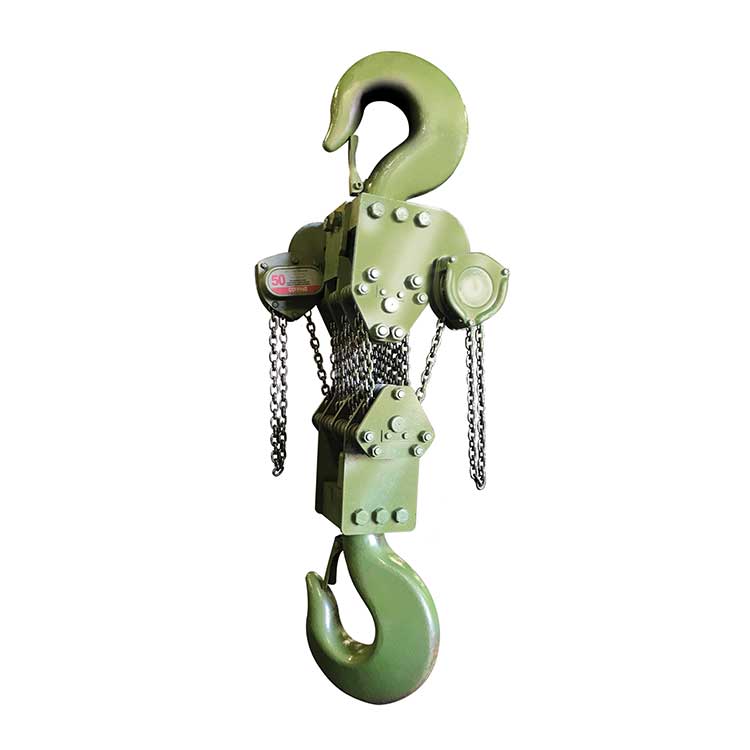
Manual hand chain hoist from LGH.
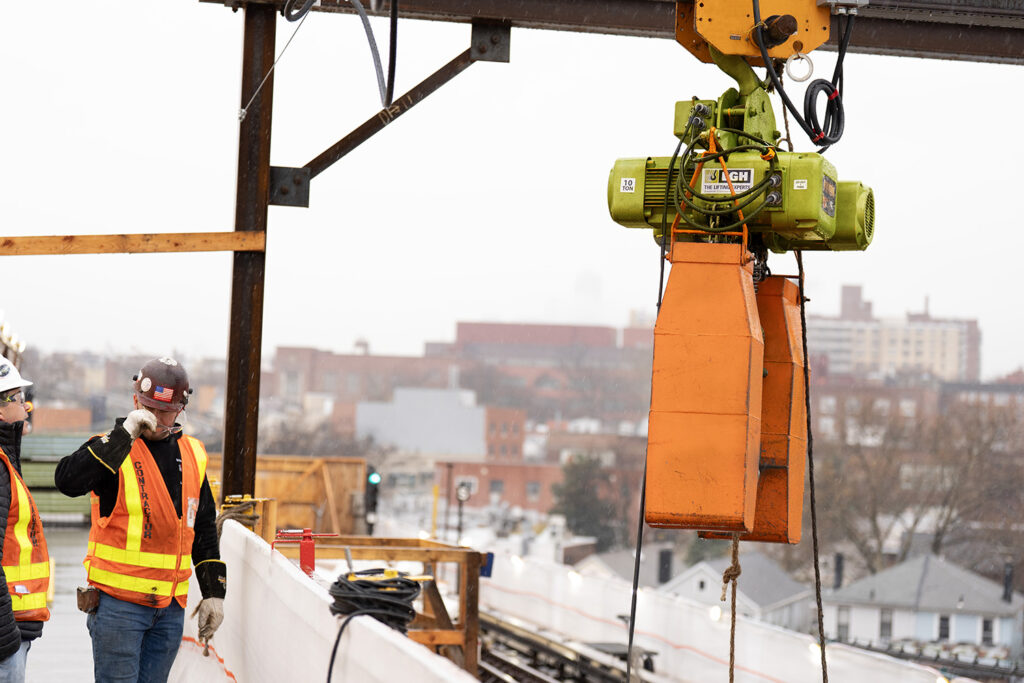
Electric chain hoist from LGH.
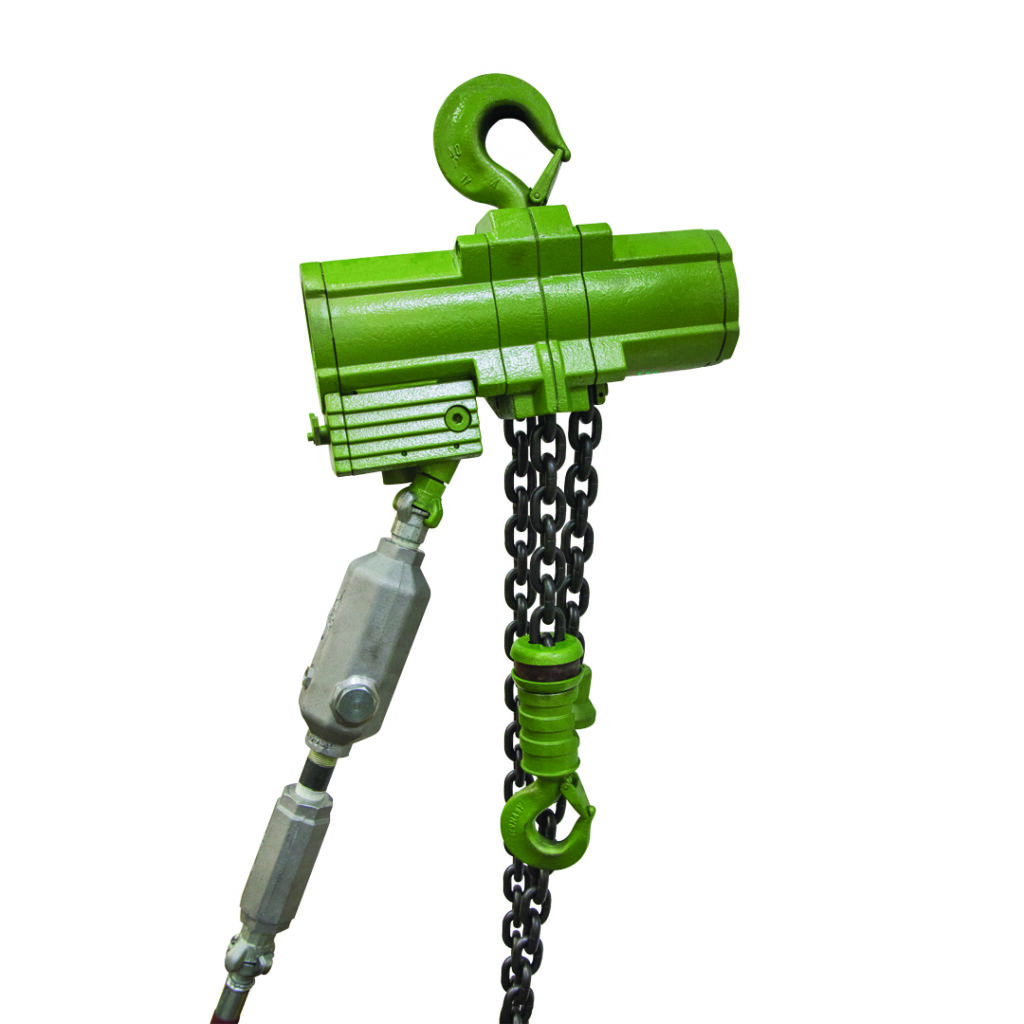
Air chain hoist with a pneumatic oiler and dirt stopper from LGH.
Choosing the right chain hoist depends on more than the weight of the load. Power source, lift frequency, speed, headroom, portability, working environment, and operator fatigue can all affect which hoist is best for the job.
The three main types of chain hoist are hand chain hoists, electric chain hoists, and air chain hoists. Each option can lift and position heavy loads, but each one is designed for different jobsite conditions and lifting requirements.
In this guide, we’ll compare the most common types of chain hoist, explain where each option works best, and outline the key factors to consider before selecting a hoist for your next lift.
A hand chain hoist is manually operated by pulling a hand chain. An electric chain hoist uses electric power to lift and lower the load. An air chain hoist, also known as a pneumatic hoist, uses compressed air to power the lifting operation.
While all three are used for lifting, they are not interchangeable in every application. The right hoist depends on the load weight, available power source, required lift speed, duty cycle, jobsite environment, and how often the hoist will be used.
Hand Chain Hoists
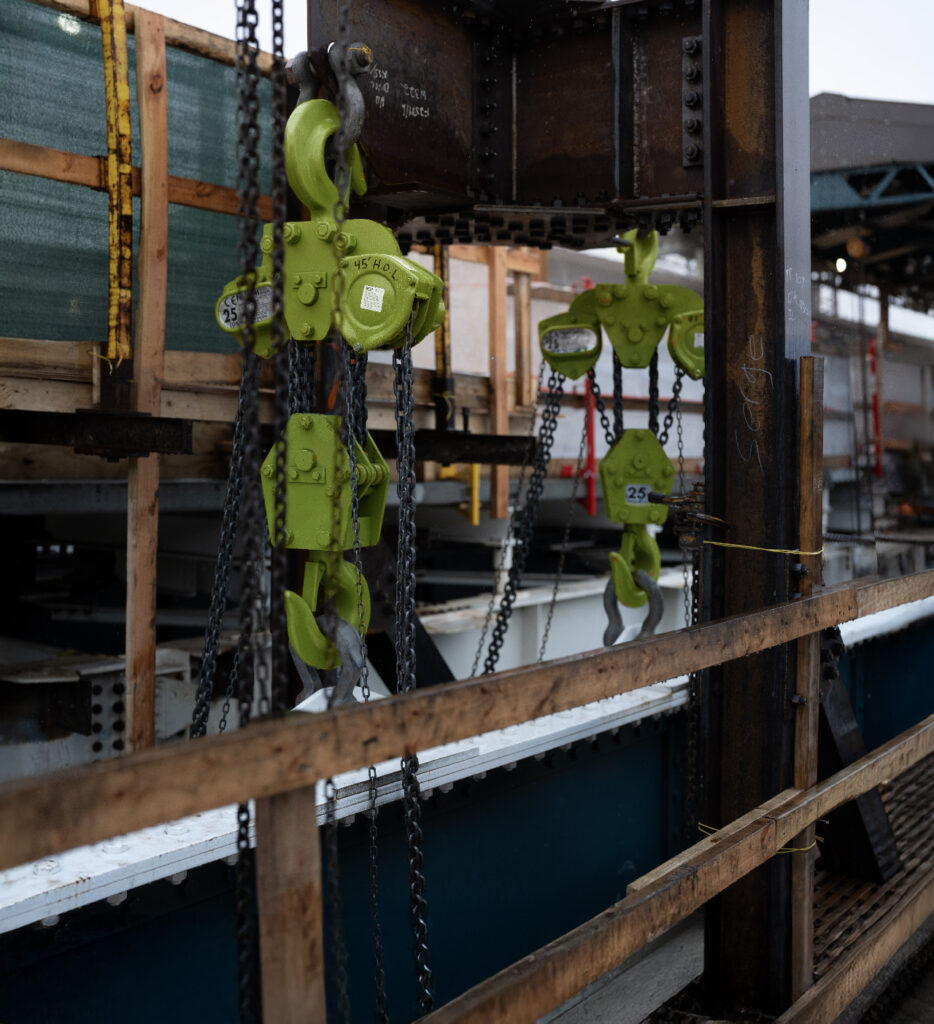
Hand chain hoists from LGH.
Hand chain hoists are manually operated hoists used to lift and lower loads by pulling a hand chain. They are one of the most common and widely used types of chain hoist because they are simple, portable, and do not require electric or air power.
Hand chain hoists are often used in construction, maintenance, industrial, and plant environments where a powered hoist is not available or not necessary. They are especially useful for shorter lifts, occasional lifting tasks, or jobsites where portability is important.
Because the operator provides the lifting effort, hand chain hoists can require more time and physical effort than powered alternatives. They are practical and dependable, but they may not be the best choice for repetitive lifting or applications where speed is a major priority.
Benefits of Hand Chain Hoists
Hand chain hoists are popular because they are lightweight, portable, and easy to use in areas without access to power. They are also relatively simple to maintain compared to powered hoists.
Key benefits include:
No electric or air power required
Portable and easy to move around a jobsite
Useful for many common lifting applications
Simple operation and maintenance
Available in a wide range of capacities
Well-suited for occasional or shorter lifts
Limitations of Hand Chain Hoists
The biggest limitation of a hand chain hoist is that operation depends on the worker. Longer lifts, heavier loads, and repeated lifting can cause operator fatigue. Hand chain hoists are also slower than electric or air hoists.
Hand chain hoists may not be the best choice when the job requires frequent lifting, long heights of lift, or fast cycle times.
Electric Chain Hoists
Electric chain hoist from LGH, helping to maintain the NYC MTA train system.
Electric chain hoists are powered hoists that use electricity to lift and lower loads. They are often a good choice when speed, control, and reduced operator effort are important.
Compared to hand chain hoists, electric chain hoists can move loads faster and with less physical strain on the operator. They are commonly used in maintenance, manufacturing, construction, and equipment installation applications where a reliable power source is available.
Electric hoists are especially useful when a lift requires controlled powered movement but does not require continuous operation throughout the day.
Benefits of Electric Chain Hoists
Electric chain hoists can improve efficiency by reducing manual effort and increasing lift speed. They are useful when loads need to be lifted repeatedly, positioned accurately, or moved over longer heights of lift.
Key benefits include:
Faster lifting than manual hoists
Reduced operator fatigue
Controlled powered lifting and lowering
Useful for longer heights of lift
Commonly available with overload protection
Well-suited for jobsites with reliable power access
Limitations of Electric Chain Hoists
Electric chain hoists require the correct power supply. Voltage, amperage, extension cord length, and cord gauge must all be considered before use. If the jobsite does not have the proper power available, the hoist may not operate correctly.
Duty cycle is another important factor. Many electric hoists are not designed for continuous nonstop operation. If the job requires constant lifting throughout the day, an air chain hoist may be a better fit.
Electric hoists may also be less suitable in wet, dirty, dusty, or hazardous environments where electrical components could be affected.
Air Chain Hoists
Air chain hoists, also known as pneumatic chain hoists, use compressed air to lift and lower loads. They are often used in demanding industrial environments where continuous operation, durability, and high production are important.
Air hoists are commonly used in power plants, refineries, shipyards, manufacturing facilities, and other environments where compressed air is available. They are a strong option for repetitive lifting because they can often run longer than electric hoists without the same duty cycle limitations.
Benefits of Air Chain Hoists
Air chain hoists are useful for heavy-duty and high-cycle applications. They can provide strong lifting performance while helping reduce downtime in jobs that require frequent operation.
Key benefits include:
Excellent for continuous or repetitive lifting
Powered by compressed air
Often lighter than comparable electric hoists
Useful in demanding industrial environments
Can help reduce downtime on high-cycle jobs
Well-suited for outages, maintenance work, and production environments
Limitations of Air Chain Hoists
The main limitation of an air chain hoist is the need for a proper compressed air supply. If the jobsite does not have enough air volume or pressure available, the hoist may not perform as needed.
Air hoists may also require additional setup time for hoses, air supply, and conditioning equipment. They are highly effective in the right environment but may not be practical for every jobsite.
Hand vs. Electric vs. Air Chain Hoists
Each type of chain hoist has a specific role. Hand chain hoists are simple and portable. Electric chain hoists offer speed and reduced manual effort. Air chain hoists are built for demanding, repetitive, or continuous lifting applications.
In general:
Choose a hand chain hoist when portability, simplicity, and no-power operation are most important.
Choose an electric chain hoist when speed, control, and reduced operator effort are needed and proper power is available.
Choose an air chain hoist when the job requires frequent, repetitive, or continuous lifting and compressed air is available.
The best choice depends on the full lift plan, not just the rated capacity of the hoist.
How to Choose the Right Type of Chain Hoist
Before selecting a hoist, consider the following factors:
Load weight
Height of lift
Required lifting speed
Frequency of lifts
Available power source
Headroom limitations
Jobsite conditions
Portability requirements
Duty cycle needs
Operator fatigue
Environmental concerns such as moisture, dust, or hazardous conditions
A hoist that works well for one job may not be the right option for another. For example, a hand chain hoist may be ideal for a short lift in a remote area, while an electric hoist may be better for a faster lift where power is available. In a high-cycle industrial application, an air chain hoist may be the best choice.
Conclusion
Understanding the different types of chain hoist can help crews choose equipment that matches the load, jobsite, and lifting requirements. Hand chain hoists offer portability and simplicity, electric chain hoists provide speed and reduced operator effort, and air chain hoists are well-suited for demanding or repetitive lifting applications.
Before choosing a hoist, review the lift plan carefully and consider the load weight, height of lift, power source, lifting frequency, headroom, and working environment. For help selecting the right hand, electric, or air chain hoist for your next project, contact your local LGH representative or call 800.878.7305 to request a quote.
LGH is North America’s largest single organization devoted exclusively to the provision of lifting and moving equipment for rent. LGH holds the most comprehensive inventory for hoisting, rigging, jacking, pulling, material handling, and safety equipment. With over 90,000 pieces of equipment, discover your next project solution at RentLGH.com.