Renting Lifting Equipment: 12 Benefits for Contractors
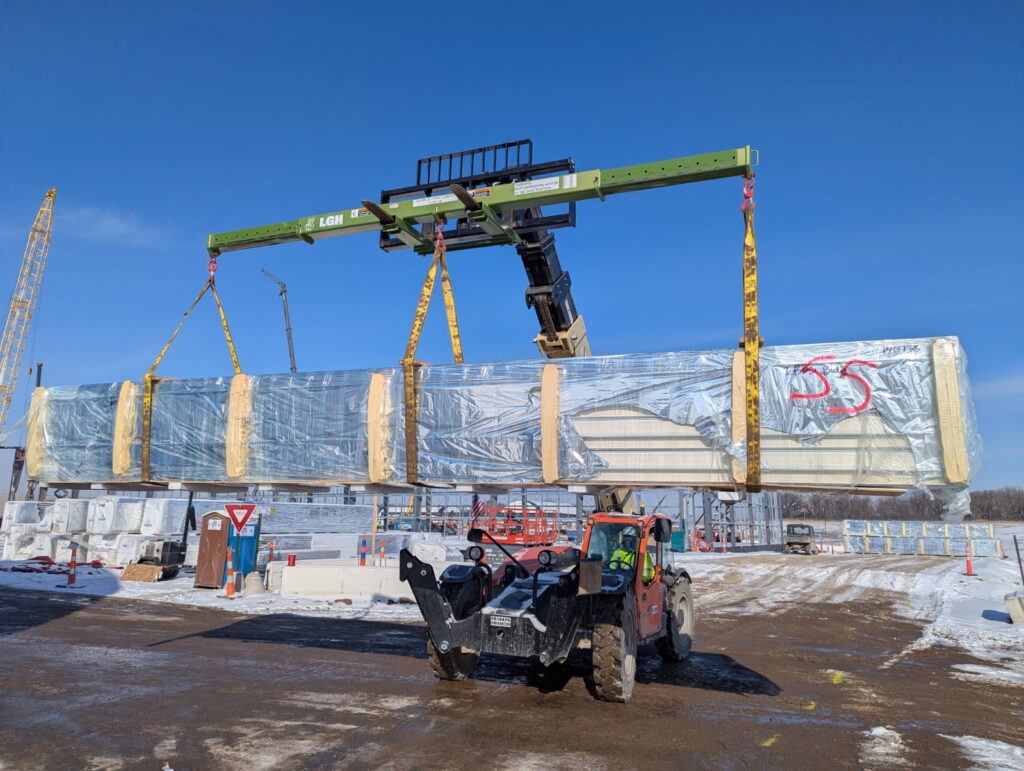
LGH can provide rigging solutions in even the toughest locations.
Renting lifting equipment can help contractors access the right hoists, beams, rigging gear, jacks, pulling equipment, and material handling solutions without the long-term costs of ownership. For many projects, rental can reduce storage needs, maintenance responsibilities, inspection requirements, and capital tied up in equipment that may sit idle between jobs.
Buying lifting and rigging equipment may make sense for some companies and some frequently used tools. But when project needs change from job to job, renting lifting equipment gives contractors more flexibility to match the equipment to the application.
Here are 12 practical ways renting lifting equipment can help contractors control costs, reduce ownership burdens, and keep work moving.
Project Planning and Control
1. Access Experienced Rental Support
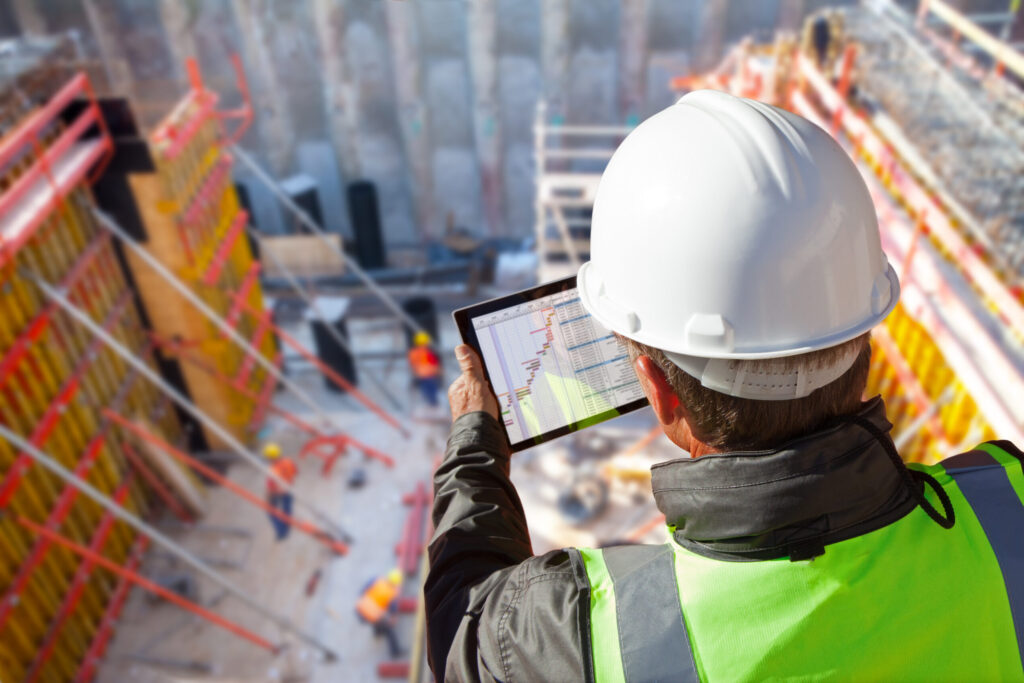
Discover the benefits of renting lifting equipment from LGH
Choosing lifting equipment is not always as simple as selecting a capacity. Crews may need to consider load weight, center of gravity, headroom, lift points, sling angles, site access, power requirements, and how the equipment will be used.
When you rent from LGH, rental specialists can help review your application and identify equipment options for the job. This support can be especially useful when the lift involves specialized equipment, unusual access conditions, or a setup that requires more than one type of lifting or rigging product.
2. Use Inspected and Certified Equipment
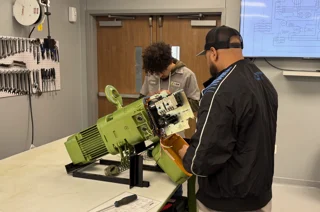
LGH staff training on electric chain hoists.
Lifting equipment must be ready for demanding jobsite conditions. Owning equipment means your team is responsible for inspections, maintenance, testing, certification, and documentation.
With rental, those responsibilities are built into the process. LGH rental equipment is inspected, tested, certified, and prepared before it leaves our facilities, helping contractors access equipment that is ready for the job.
3. Ramp Equipment Needs Up or Down by Project
Construction, maintenance, and industrial projects often move in phases. A job may require additional hoists, beams, jacks, slings, shackles, or material handling equipment during one stage, then much less equipment after that work is complete.
Renting lifting equipment allows crews to scale their equipment needs based on the project schedule. Instead of purchasing gear for a temporary need, contractors can rent what they need, use it for the required period, and return it when the job is complete.
Jobsite Productivity
4. Match Equipment to the Lift
Using equipment that is not well matched to the lift can create delays, inefficiencies, and jobsite risks. The right equipment depends on the load, lift points, available space, required height, and overall application.
Rental gives contractors access to equipment that better matches the specific job. That may include chain hoists, lever hoists, spreader beams, lifting beams, hydraulic cylinders, gantries, winches, load cells, shackles, slings, or other lifting and rigging equipment.
5. Access Specialized Equipment Without Buying It
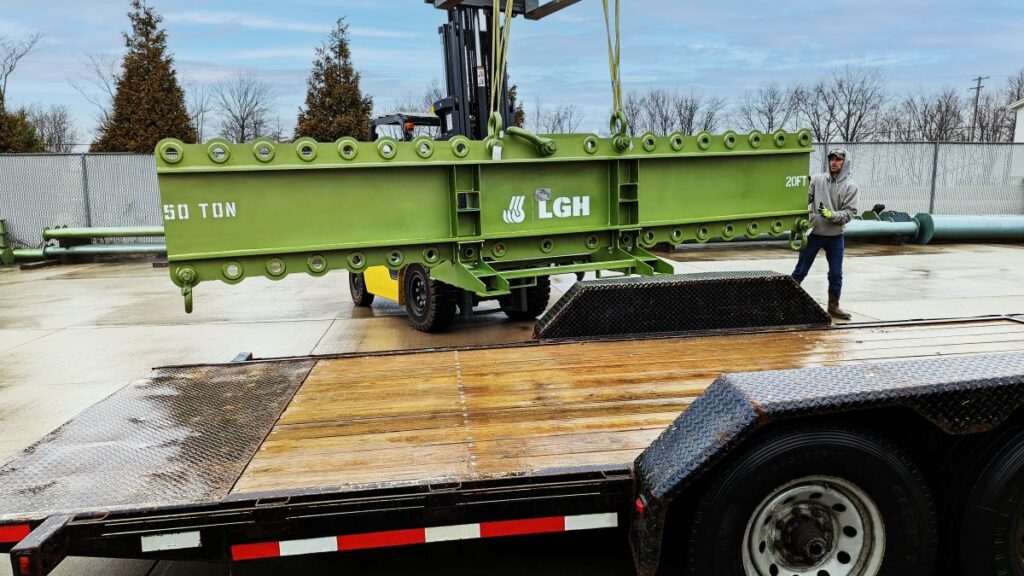
Some lifting equipment is only needed for certain jobs. A contractor may need a specific beam length, high-capacity hoist, hydraulic jack, load monitoring device, or material handling solution for one project, but not often enough to justify purchasing it.
Renting provides access to specialized lifting equipment without the long-term cost of ownership. This can be especially helpful for shutdowns, outages, retrofit work, plant maintenance, infrastructure projects, and other applications with unique lifting requirements.
6. Reduce Downtime Risk When Needs Change
Even with careful planning, project conditions can change. A load may require a different configuration, access may be tighter than expected, or additional equipment may be needed to keep the work moving.
Renting lifting equipment from a dedicated rental partner gives contractors more options when jobsite needs change. Instead of relying only on equipment already in inventory, crews can source additional or alternative gear to better fit the application.
Inventory and Maintenance
7. Avoid Idle Equipment
Purchased equipment can become idle between jobs, especially if it was bought for a specific project or uncommon application. Idle gear still takes up space, ties up capital, and requires inspection and maintenance.
Rental helps contractors avoid owning equipment that may sit unused for long periods. This allows companies to access the gear they need without carrying the long-term burden of equipment that is not consistently generating value.
8. Reduce Storage Requirements
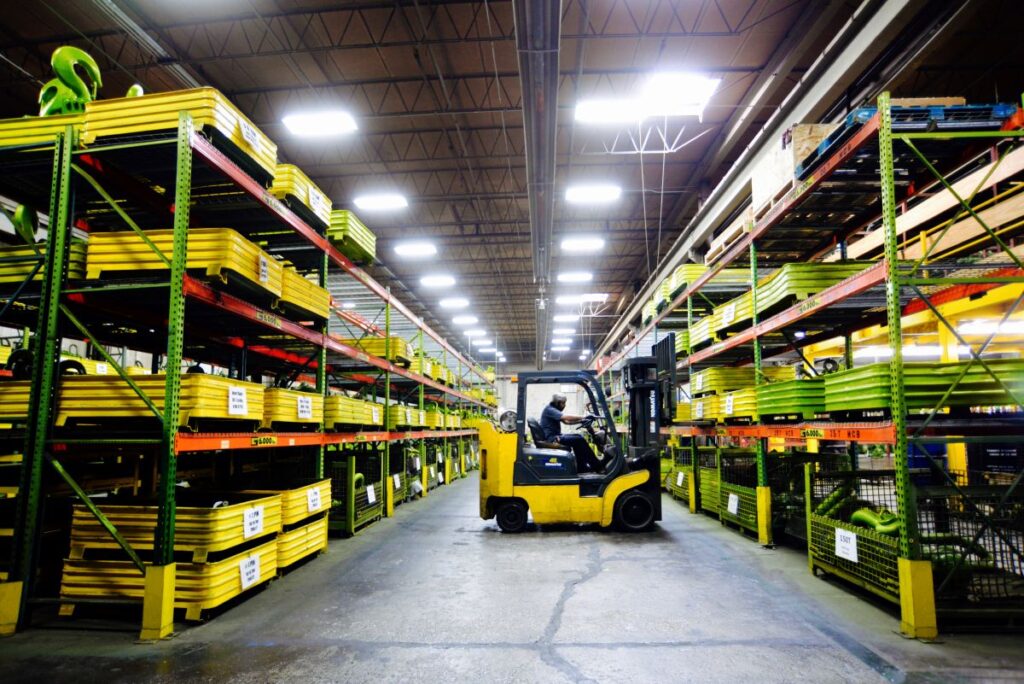
Lifting and rigging equipment can take up significant space. Beams, gantries, hydraulic equipment, hoists, slings, shackles, and material handling products all require proper storage to help protect the equipment and keep it ready for future use.
Renting reduces the need to dedicate valuable shop, warehouse, yard, or facility space to equipment storage. LGH can act as an off-site equipment resource, helping contractors access lifting equipment when the project calls for it.
9. Shift Maintenance, Testing, and Certification Responsibilities
Ownership requires ongoing attention. Equipment may need inspections, parts replacement, repairs, testing, certification, recordkeeping, and qualified personnel to manage the process.
Renting shifts much of that burden away from the contractor. Instead of maintaining a large internal fleet, companies can rent equipment that has already been inspected, tested, certified, and prepared for use.
Financial Flexibility
10. Preserve Capital
Buying lifting equipment can require a significant upfront investment. That capital may be better used for labor, project growth, vehicles, technology, bidding opportunities, or other business needs.
Renting lifting equipment allows contractors to access required gear without tying up as much capital in owned assets. This can be especially valuable when the equipment is only needed for a limited period.
11. Reduce Long-Term Ownership Costs

The purchase price is only one part of ownership. Long-term costs may include maintenance, storage, transportation, depreciation, taxes, repairs, replacement parts, inspections, and certification.
Rental helps reduce those long-term ownership costs by allowing contractors to pay for equipment when they need it instead of managing it year-round.
12. Improve Flexibility for Short-Term and Specialty Work
Not every project requires the same lifting setup. One job may require hoisting equipment, while another may need rigging hardware, hydraulic jacks, pulling equipment, load monitoring, or material handling products.
Renting lifting equipment gives contractors flexibility for short-term projects, specialty lifts, and changing jobsite requirements. Instead of trying to make owned equipment fit every application, crews can rent the tools that match the work.
Renting vs. Buying Lifting Equipment
Buying lifting equipment may make sense when a company uses the same gear every day, has trained personnel to inspect and maintain it, and has enough storage space to protect the equipment between jobs. For frequently used tools, ownership can be a practical long-term investment.
However, many lifting and rigging projects require different equipment from job to job. One project may need a gantry crane and chain hoist, while another may require hydraulic cylinders, spreader beams, load cells, shackles, or material handling equipment. In those cases, renting lifting equipment can provide more flexibility and help reduce the hidden costs that come with ownership.
| Consideration |
Buying Lifting Equipment |
Renting Lifting Equipment |
| Upfront Cost |
Requires a capital investment |
Reduces upfront spending |
| Storage |
Requires shop, yard, or warehouse space |
Equipment returns after the job |
| Maintenance |
Owner handles repairs, parts, and service |
Rental provider handles maintenance |
| Testing and Certification |
Owner manages inspections and records |
Equipment is inspected, tested, and certified before rental |
| Flexibility |
Limited to owned inventory |
Access to job-specific equipment |
| Utilization |
Equipment may sit idle between projects |
Rent only when needed |
| Specialty Lifts |
May require new purchases |
Access specialized gear without buying |
For contractors with changing project needs, rental often provides a more practical way to access the right equipment without carrying the full cost and responsibility of ownership.
Why Rent Lifting Equipment from LGH?
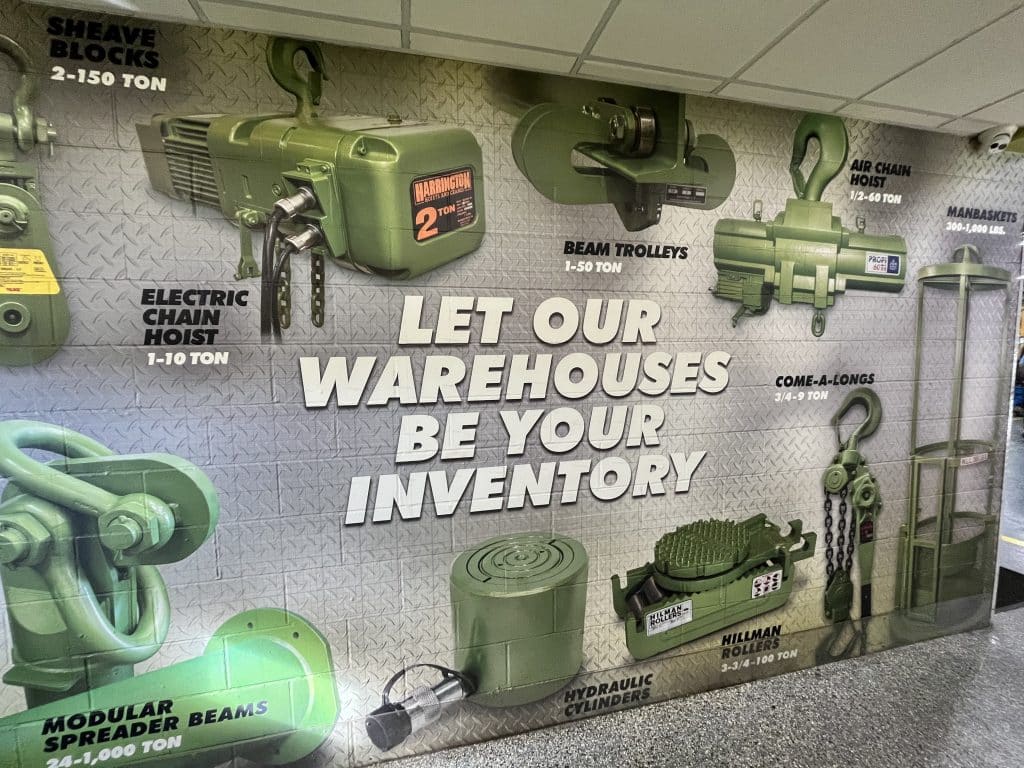
LGH rents lifting, rigging, hoisting, jacking, pulling, material handling, and safety equipment for construction, industrial maintenance, infrastructure, utilities, manufacturing, energy, and other industries.
Our rental specialists can help review your project needs and identify equipment options based on load weight, lift points, headroom, site conditions, schedule, and application requirements.
Whether your project requires hoists, beams, jacks, gantries, winches, load cells, slings, shackles, or other rental lifting gear, LGH can help match the right equipment to the job.
Conclusion
Renting lifting equipment can help contractors control costs, reduce storage and maintenance responsibilities, access specialized gear, and adapt to changing project needs. For companies that do not need to own every piece of equipment year-round, rental provides a practical way to support safer, more efficient lifting and rigging work.
From project planning to demobilization, the right rental partner can help crews access equipment that fits the lift, the schedule, and the jobsite.
For help renting lifting equipment for your next project, contact LGH today or call 800-878-7305 to speak with a rental specialist.
Frequently Asked Questions About Renting Lifting Equipment
What are the benefits of renting lifting equipment?
Renting lifting equipment can help reduce ownership costs, lower storage needs, limit maintenance responsibilities, preserve capital, and give contractors access to equipment that matches each project.
Is it better to rent or buy lifting equipment?
It depends on how often the equipment is used. Buying may make sense for frequently used tools, while renting is often better for short-term projects, specialty equipment, changing lift requirements, or gear that would sit idle between jobs.
What types of lifting equipment can be rented?
Contractors can rent equipment such as hoists, lifting beams, spreader beams, gantry cranes, hydraulic jacks, winches, load cells, slings, shackles, rigging hardware, and material handling equipment.
Does rented lifting equipment come inspected and certified?
LGH rental equipment is inspected, tested, certified, and prepared before it leaves our facilities.
Why rent lifting equipment from LGH?
LGH gives contractors access to a broad rental fleet, experienced rental specialists, and lifting, rigging, jacking, pulling, material handling, and safety equipment for a wide range of project needs.
LGH is North America’s largest single organization devoted exclusively to the provision of lifting and moving equipment for rent. LGH holds the most comprehensive inventory for hoisting, rigging, jacking, pulling, material handling, and safety equipment. With over 90,000 pieces, discover your next project solution at RentLGH.com.