Crane Load Cells: Digital Load Link Rentals from LGH
Digital Load Link from LGH.
When a lift requires accurate load measurement, a crane load cell can provide the data crews need to make more informed lifting decisions. These devices help measure tension, monitor load share, verify load weight, and support crane load testing applications.
At LGH, our digital load links are also commonly referred to as crane load cells, wireless load cells, tension load cells, digital load cells, crane load sensors, and crane load test dynamometers. While the names vary, the purpose is the same: to provide accurate, real-time load data during lifting, testing, and rigging applications.
LGH carries digital load cell rentals, including the Straightpoint Treadstone and T24 models, with capacities ranging from 1 ton to 150 tons. Each rental comes with calibration and certification paperwork, giving crews the documentation they need for temporary lifting projects, load testing, and jobsite load monitoring.
What Is a Crane Load Cell?
A crane load cell is a force measurement device used to measure load weight or tension during lifting operations. In rigging applications, a digital load link is typically installed in line with the rigging so crews can monitor the force being applied through a specific lifting point.
Digital load links are shaped to accept standard shackles on both ends. This makes them useful for measuring tension in a sling leg, hoist line, test setup, or other suspended-load application.
Crane load cells are commonly used for:
Crane load testing
Proof load testing
Load monitoring
Load share measurement
Center of gravity checks
Rigging verification
Heavy lift planning
Industrial lifting applications
Testing custom lifting beams or devices
How Do Digital Load Links Work?
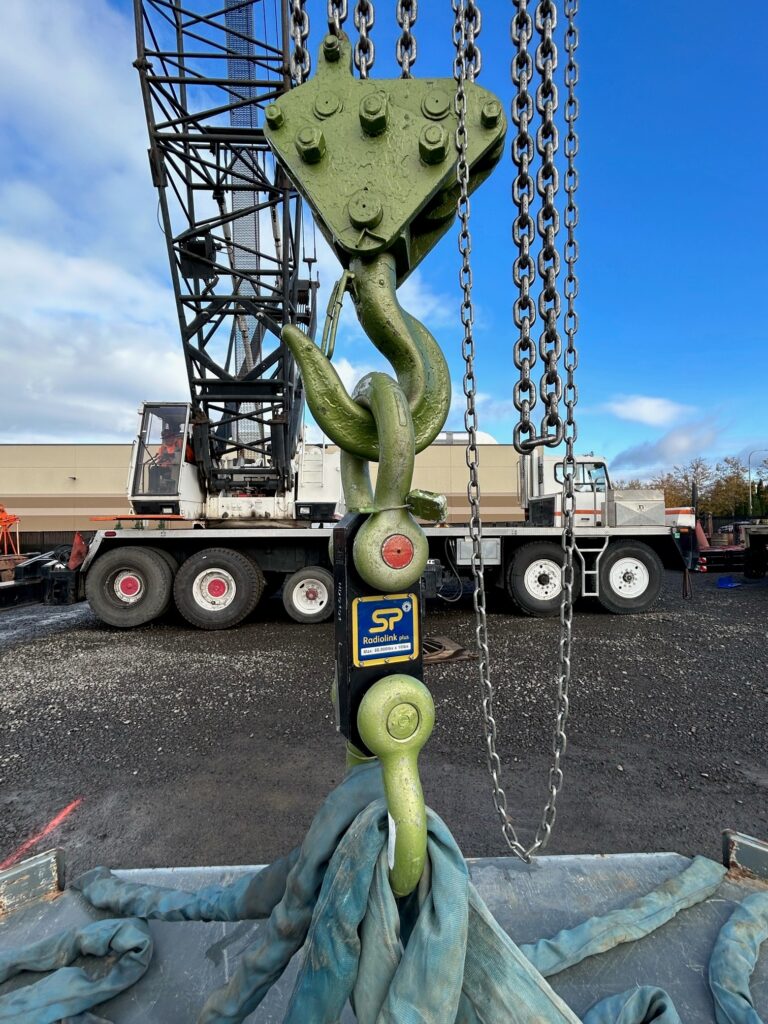
A Straightpoint crane load cell rental from LGH on the jobsite.
A digital load link uses a strain gauge to measure force. When the load cell experiences tension, the material inside the device strains slightly within its elastic limit. The sensor converts that strain into an electrical signal, which a processor translates into a load reading.
Depending on the model, crews can view the load on a built-in LCD display, handheld remote, wireless receiver, tablet, or software platform. This allows operators and lift planners to monitor load data from a safer distance instead of standing close to the suspended load.
Wireless load cell systems can also help crews track multiple load links at once. For complex lifts, LGH can provide a tablet with software that allows users to view, record, and monitor data from multiple digital load links on one screen.
How Do I Choose the Right Load Cell for Crane Operations?
Choosing the right crane load cell starts with the load weight, lifting arrangement, required accuracy, number of measurement points, working environment, and data needs.
Before selecting a load cell, consider:
Expected load weight
Required capacity
Number of rigging points being monitored
Whether the load cell will measure tension or compression
Required accuracy
Wireless range
Display or data logging needs
Environmental conditions
Shackle compatibility
Calibration and certification requirements
Whether the project involves proof load testing or live load monitoring
The load cell capacity should match the application without exceeding the device’s rated limits. Crews should also confirm that all shackles, slings, hoists, hooks, and other rigging components are properly rated for the full lift.
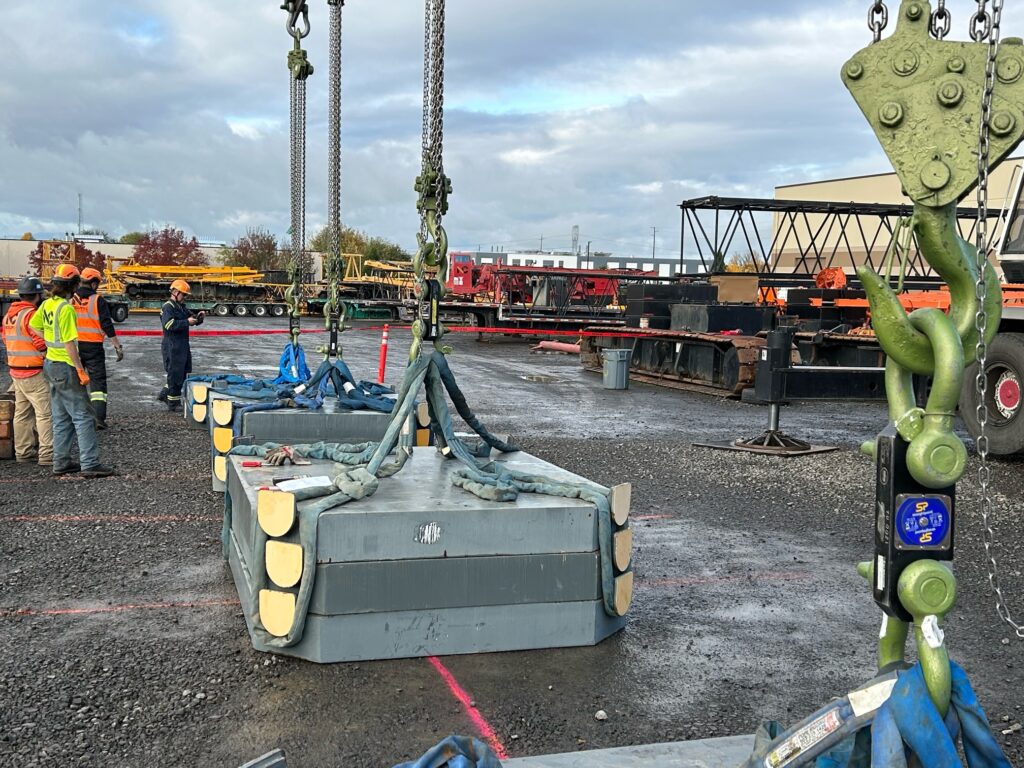
Ness andCampbell Crane using 15T hand chain hoists and 25T crane load cells from LGH.
Tension Load Cells vs. Compression Load Cells
Digital load links are tension load cells. They measure force when the load cell is pulled in tension, such as when it is installed between a crane hook and rigging, or between rigging components in a lifting setup.
Compression load cells are a different product category. Instead of measuring pulling force, they measure compressive force when a load presses down on the device. Compression load cells are often used for weighing, center-of-gravity verification, load distribution checks, and applications where the load sits on multiple sensors.
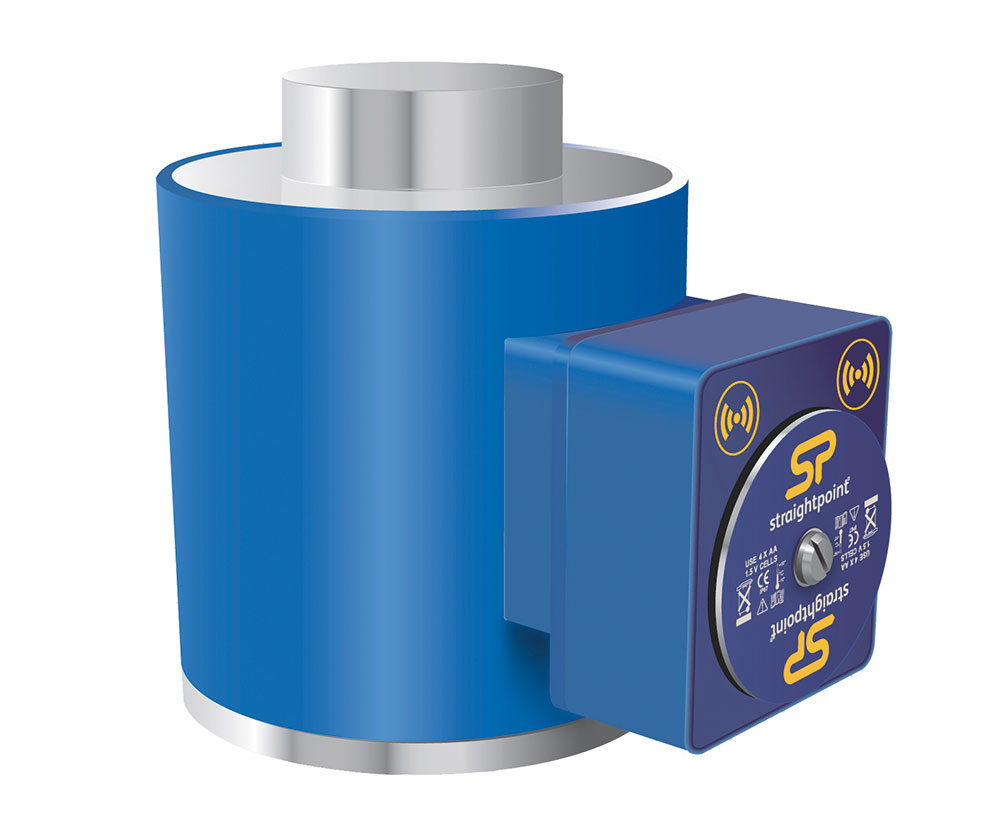
Example of a Straightpoint compression load cell, also available for rent from LGH.
In simple terms:
Tension load cells measure pulling force in rigging or lifting lines.
Compression load cells measure downward force under a load.
Both can support load monitoring, but they are used in different ways. This blog focuses on LGH’s digital load links for tension measurement.
Why Use a Wireless Load Cell?
A wireless load cell allows crews to monitor load data from a distance. This can improve visibility, reduce the need to stand near the load, and make it easier to track forces during the lift.
Wireless digital load links are especially useful when crews need to:
Monitor a load from outside the immediate lift area
Track multiple rigging points
Record data during a proof test
Confirm load share between slings or hoists
Evaluate center of gravity before a lift
Capture real-time load readings during crane load testing
Depending on the model and setup, wireless communication can provide long-range monitoring and support data collection through handheld displays, tablets, or software.
Crane Load Testing and Proof Load Applications
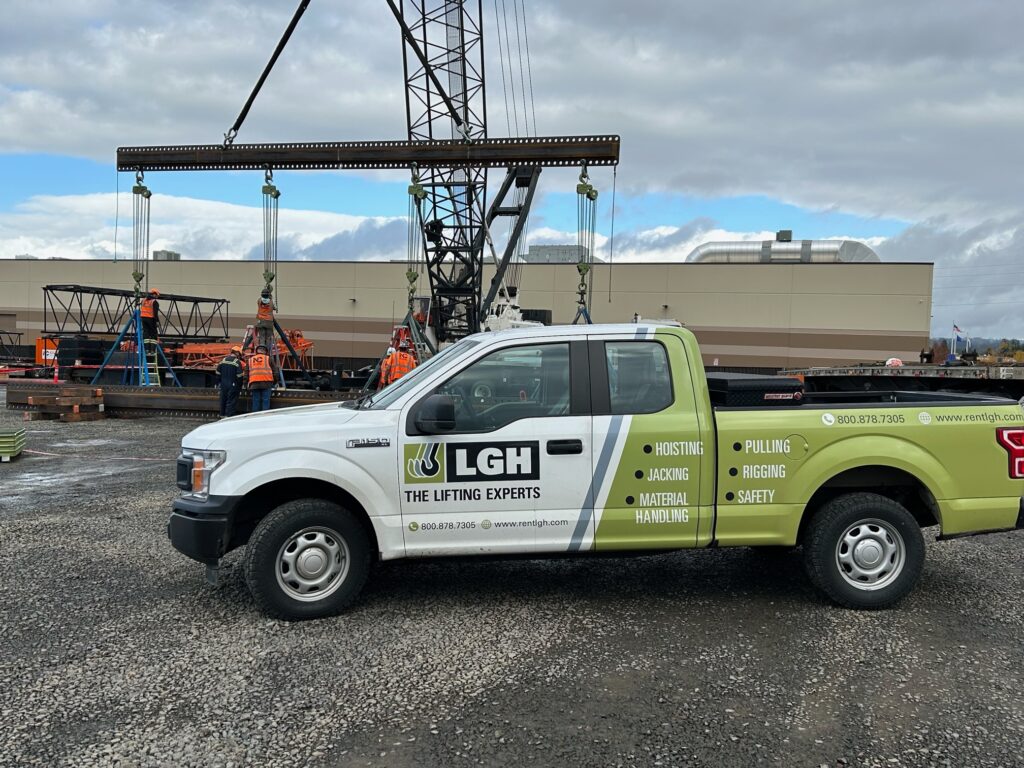
Certifying and load testing a custom lifting beam with crane load cells.
Crane load cells are frequently used for crane load testing and proof load testing. These applications require accurate force measurement to confirm that a crane, hoist, lifting beam, rigging assembly, or custom lifting device performs as expected.
A crane load test dynamometer or digital load link can help verify the applied load during the test. This gives crews a clear reading instead of relying only on calculated or estimated load values.
Digital load links may also be used to test custom lifting beams, confirm rigging loads, or measure force during controlled lift planning.
Can Load Cell Rentals Be Reliable for Temporary Lifting Projects?
Yes. Load cell rental services can be reliable for temporary lifting projects when the equipment is properly selected, calibrated, certified, and matched to the application.
Renting a crane load cell can be a practical option when a project requires temporary load monitoring, proof testing, or multi-point measurement without the cost of purchasing a specialized device.
LGH digital load link rentals include calibration and certification paperwork. This helps crews access accurate, documented equipment for temporary lifting, testing, and monitoring applications.
Video: Digital Load Link — Prepare Better for Your Lift
In this LGH video, we explain how digital load links help crews prepare for lifts by measuring tension in a rigging leg, checking load share, supporting load testing, and helping determine center of gravity before lifting.
The video also highlights remote readout options and tablet-based monitoring, which allow crews to track and record data from multiple digital load links at once.
Rent Crane Load Cells from LGH
LGH offers crane load cell rentals, compression load cell rentals, and rental equipment for lifting and rigging applications. LGH carries the Straightpoint Treadstone and T24 models, with capacities ranging from 1 ton to 150 tons.
Our rental specialists can help review your load weight, number of lift points, required capacity, monitoring needs, and jobsite conditions to help match the right equipment to the application. Whether your project requires a digital load link for crane load testing, a wireless load cell for real-time monitoring, or multiple load links for load share measurement, LGH can help provide tested, certified, and job-ready rental equipment.
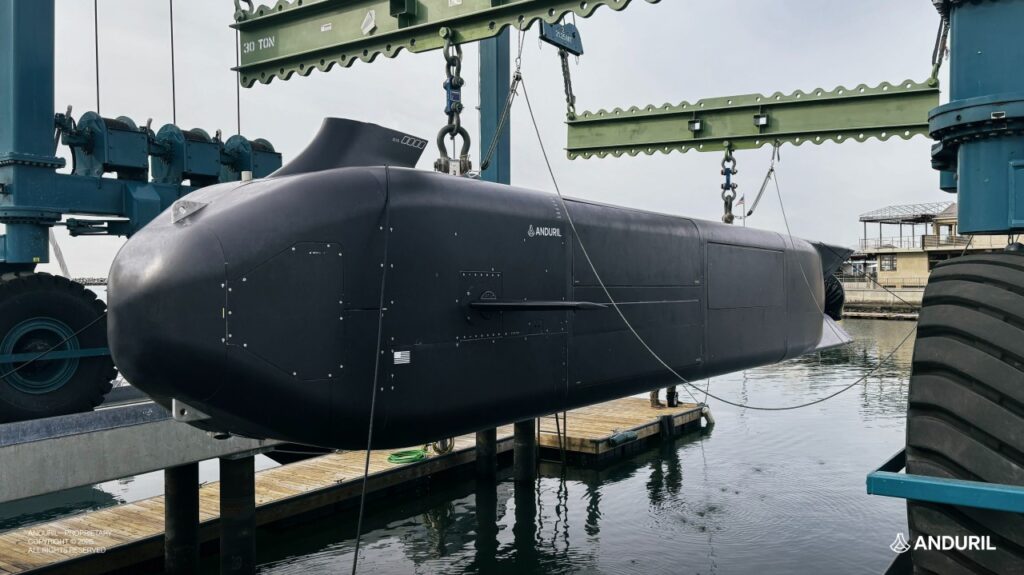
An autonomous undersea vehicle being lifted with multi-lug lifting beams and digital crane load cells from LGH.
Conclusion
A crane load cell gives crews a reliable way to measure tension, verify load weight, monitor load share, and support crane load testing applications. LGH’s digital load links are available in 1 ton to 150 ton capacities and can provide real-time load data through built-in displays, remote readouts, tablets, or compatible software.
For help choosing a crane load cell, compression load cell, or rigging setup for your next project, contact LGH today or call 800-878-7305 to speak with a rental specialist.
LGH is North America’s largest single organization devoted exclusively to the provision of lifting and moving equipment for rent. LGH holds the most comprehensive inventory for hoisting, rigging, jacking, pulling, material handling, and safety equipment. With over 90,000 pieces, discover your next project solution at RentLGH.com