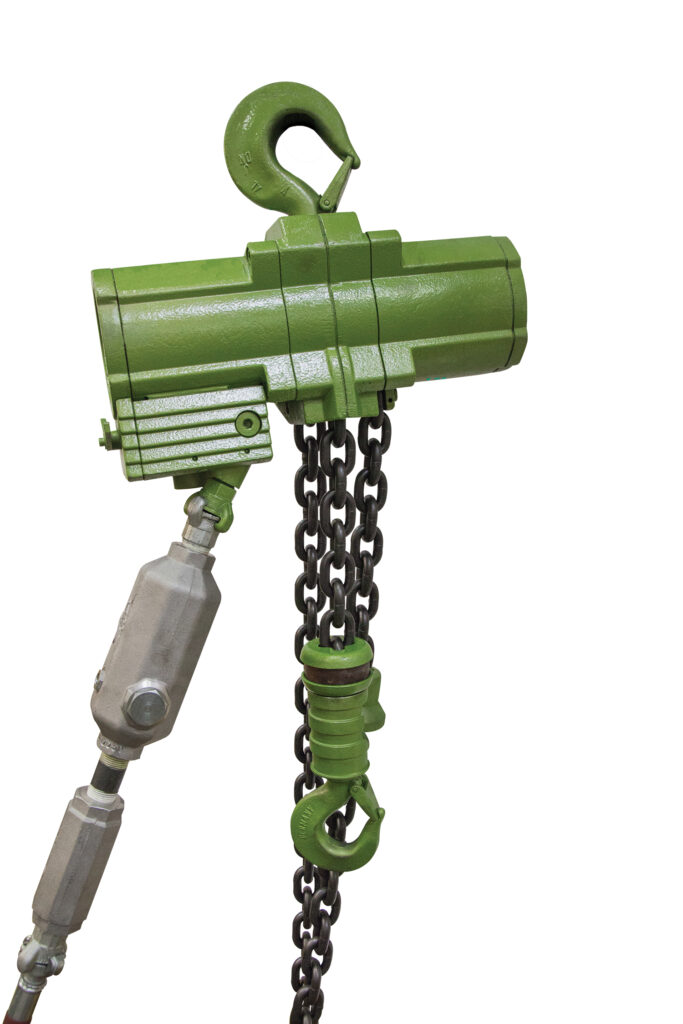
Air chain hoists are durable, versatile lifting tools used across construction, manufacturing, industrial maintenance, offshore, oil and gas, and other demanding environments. Also called pneumatic chain hoists, air operated chain hoists, air powered hoists, or air chain falls, these hoists use compressed air to lift and lower heavy loads.
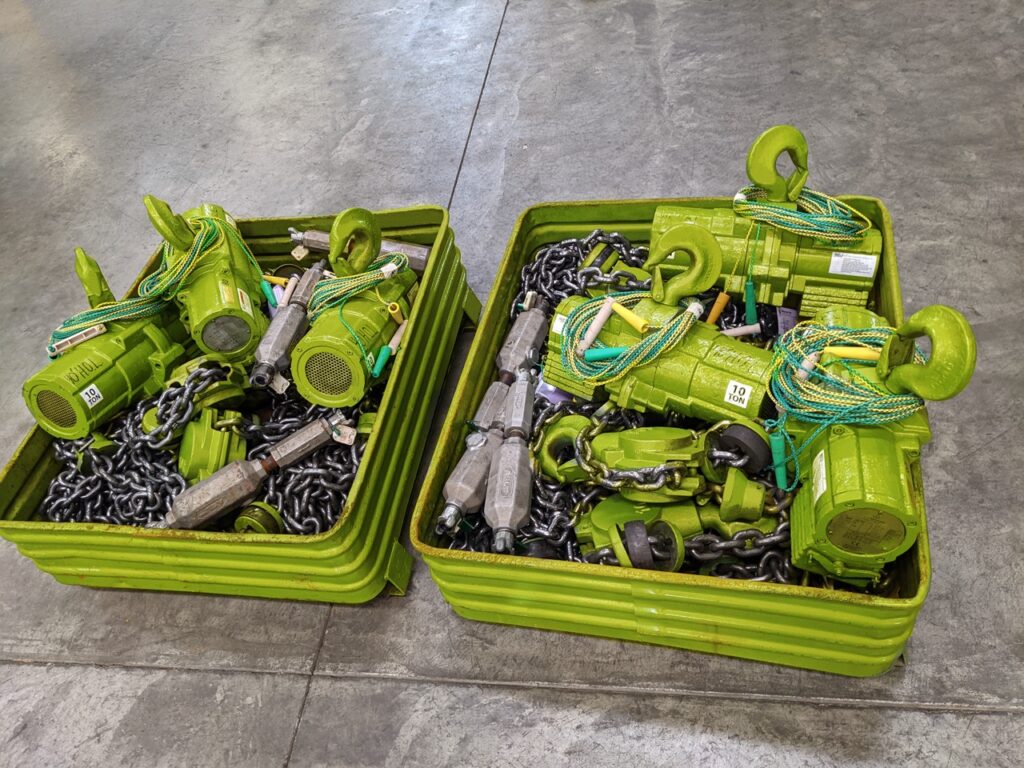
LGH offers air chain hoists in capacities ranging from 1/2 ton to 100 tons, including hook-mounted and trolley-mounted options from JD Neuhaus. These hoists can be used with steel gantries, aluminum gantries, hydraulic gantries, beam trolleys, and other approved lifting setups.
Like any lifting equipment, an air chain hoist performs best when the lift is properly planned and the air supply, work environment, accessories, and load control are reviewed before operation. The following tips can help crews reduce downtime, improve performance, and support a smoother lift.
What Is an Air Chain Hoist?
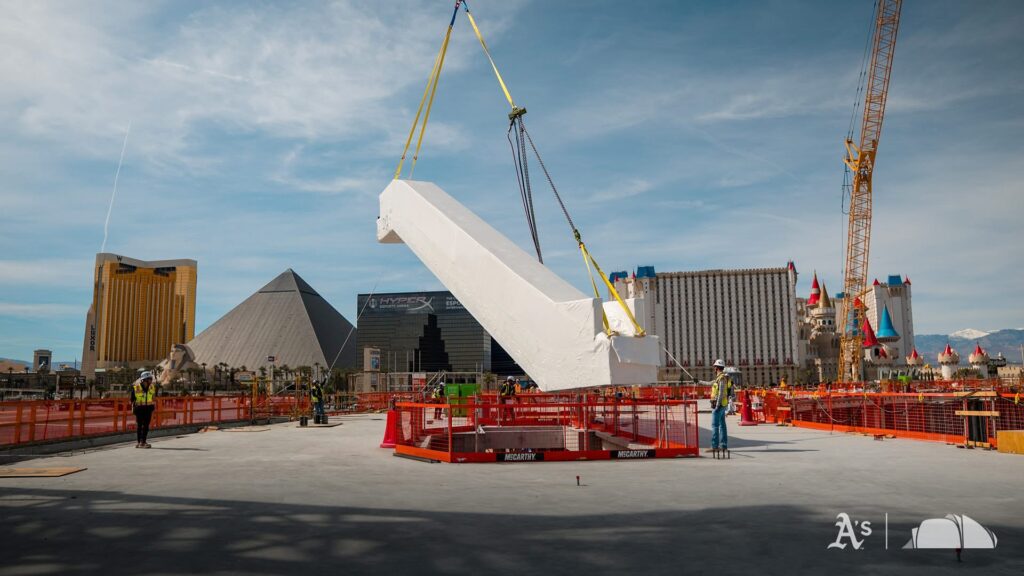
An air chain hoist rental from LGH helped make this escalator lift possible.
An air chain hoist is a lifting device powered by compressed air. The air motor drives the hoist mechanism, allowing the operator to raise or lower a load using pendant control, rope control, or another approved control method depending on the model.
Air chain hoists are often used in demanding environments because they can offer high lifting speeds, durable performance, and a 100% duty cycle for continuous operation. Because they do not rely on electric power at the hoist, pneumatic hoists are also commonly selected for certain hazardous or spark-sensitive environments when properly matched to the application.
1. Plan the Lift Before You Start
A smooth lift starts before the air-powered chain hoist is connected. Crews should review the full lifting setup, including the load, hoist, rigging, beam, trolley, air supply, and work area.
Before using an air chain hoist, confirm:
Load weight
Hoist capacity
Lift height
Rigging configuration
Beam, clamp, trolley, or gantry capacity
Air pressure and CFM requirements
Hose size and length
Control type
Work environment
Load path
Potential obstructions
Need for filters, oilers, dryers, or dirt stoppers
Planning ahead helps identify potential issues before the lift begins and reduces the chance of delays once the load is ready to move.
2. Know Your Air Source
An air tank and filter rental from LGH, used to power an air chain hoist.
An air chain hoist is only as reliable as the compressed air supplied to it. Before the lift, confirm both air pressure and airflow. Air pressure is important, but CFM, or cubic feet per minute, is just as critical.
If the air supply cannot provide the required CFM, the hoist may run slowly, inconsistently, or fail to perform as expected under load. This is especially important when using plant air, where long pipe runs, undersized hoses, fittings, or other equipment can create airflow restrictions.
Before operation, check for:
Required air pressure
Required CFM
Hose size
Hose length
Fitting size
Air compressor capacity
Plant air limitations
Potential choke points
Moisture or contamination in the air line
If plant air cannot supply enough flow, a supplemental compressor may be needed.
3. Analyze the Work Environment
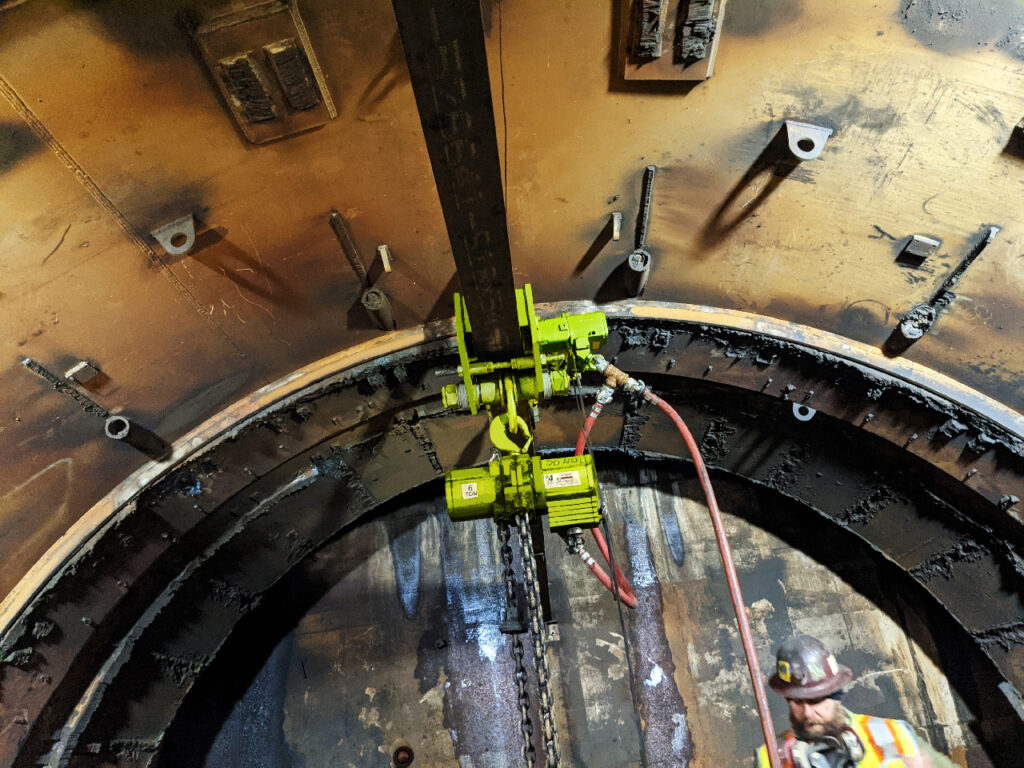
Ohio tunnel job completed with air chain hoists and beam trolley.
The surrounding environment can affect how an air chain hoist should be set up and operated. Dust, dirt, moisture, humidity, and confined work areas can all influence performance.
In dirty or dusty environments, pendant controls may be more vulnerable to clogging or sticking if debris collects around the buttons. In some applications, rope control may provide better reliability and control.
Crews should also consider whether the environment is dry, damp, humid, or exposed to contaminants. Moisture and particles in the air supply can damage internal components, increase wear, and reduce hoist efficiency.
4. Use an Air Filter or Dryer in Damp Conditions
When working in damp or humid environments, an air filter or dryer can help remove moisture and contaminants before air enters the hoist. This can help protect internal components from rust, corrosion, and inefficient operation.
Clean, dry air matters because pneumatic chain hoists rely on compressed air moving through internal components. Moisture, dirt, and debris can reduce performance and increase the chance of downtime.
If the jobsite has humid air, poor air quality, or long air lines, consider adding the proper air treatment equipment before operation.
5. Always Use the Oiler and Dirt Stopper
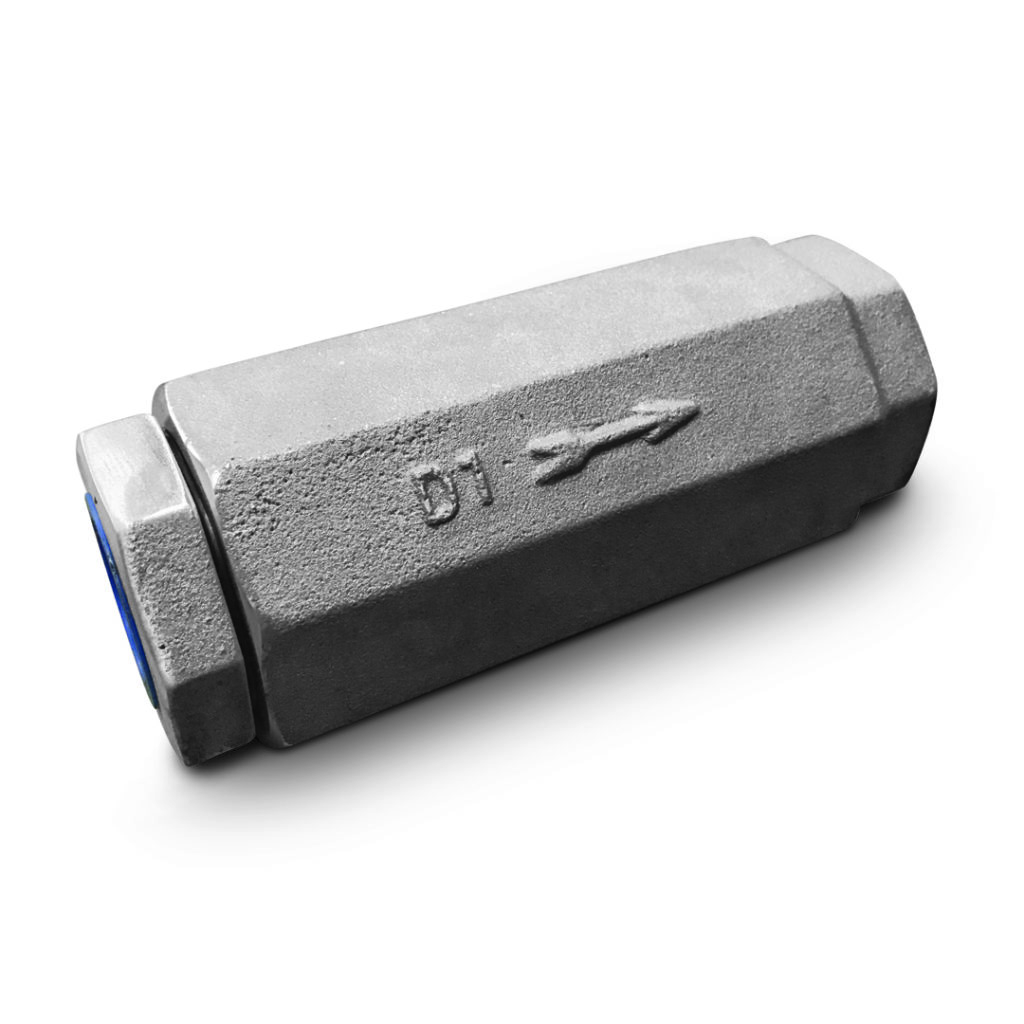
A D-1 NPT dirt stopper for an air chain hoist, available to rent from LGH.
Air-powered products rented from LGH ship with an inline oiler and dirt stopper included. These accessories help protect the hoist by filtering contaminants and keeping internal components lubricated.
Many issues with air-powered equipment can be traced back to missing, disconnected, or improperly used air accessories. The dirt stopper helps block unwanted particles from entering the hoist, while the oiler helps lubricate critical internal components during operation.
Before lifting, make sure the oiler and dirt stopper are properly installed and set up according to the hoist requirements.
6. Clear the Air Hose Before Connecting It
An air hose that has been sitting unattached can collect dirt, dust, debris, or moisture. If that material is blown directly into the air chain hoist, it can damage internal components or reduce performance.
Before connecting the hose to the hoist, briefly blow air through the hose to clear loose particles. This simple step only takes a few seconds and can help prevent unnecessary downtime.
After clearing the hose, connect the proper filter, oiler, dirt stopper, or dryer setup before operating the hoist. You can check out LGH’s YouTube video about troubleshooting an air chain hoist below.
7. Avoid Shock Loading
Shock loading should be avoided with any lifting equipment, including pneumatic hoists. A shock load can occur when a load is suddenly applied, jerked, dropped into the rigging, or lifted too quickly after slack has been introduced.
Shock loading can place excessive force on the hoist, rigging, lifting points, beam, clamp, trolley, and load. It may overload the system even if the static load weight appears to be within the rated capacity.
To reduce the risk of shock loading:
Take slack out of the rigging slowly.
Lift in a controlled manner.
Avoid sudden starts and stops.
Confirm the load is free before lifting.
Do not jerk or bounce the load.
Keep the load path clear.
Verify the full lifting system is properly rated.
Speed and rigging control need to work together. Even when an air chain hoist can lift quickly, the load should be moved deliberately and under control. You can check out LGH’s blog post about shock loading to learn more on this topic.
8. Choose the Right Control Type
Air chain hoists may use different control methods depending on the model and application. Pendant control is common, but rope control may be a better fit in some environments.
Pendant controls can provide convenient operation, but they may be less ideal in dirty environments where debris can affect the buttons. Rope control hoists may offer a more reliable option in certain dusty or rugged conditions.
When selecting an air-operated chain hoist, consider:
Operator position
Visibility
Distance from the load
Dirt and debris exposure
Required precision
Work area layout
Whether pendant or rope control is better suited
The control method should support safe, practical, and accurate load movement.
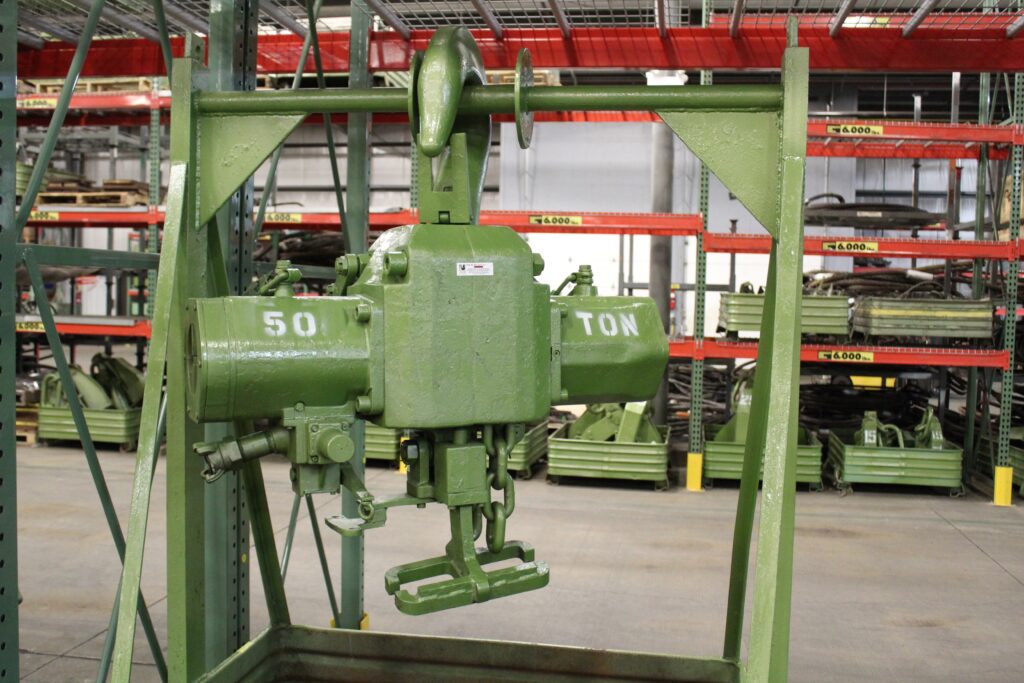
A heavy-duty 50-ton capacity air chain hoist rental from LGH.
9. Match the Hoist to the Full Lifting Setup
Selecting the right pneumatic hoist is not only about capacity. The full lifting setup must be reviewed.
The hoist may be used with a gantry, beam trolley, beam clamp, lifting beam, rigging hardware, or other supporting equipment. Every component needs to be properly rated and compatible with the lift.
Before operation, confirm:
Hoist capacity
Hook or trolley mount requirements
Beam or gantry capacity
Trolley fit and rating
Sling and shackle capacity
Lift height
Chain length
Headroom
Travel path
Load center of gravity
Air supply requirements
A properly selected air chain hoist should match the application, environment, and support structure.
Benefits of Air Chain Hoists
Air chain hoists are frequently used in demanding environments because they offer strength, durability, and continuous-duty performance.
Key benefits include:
Compressed air operation
100% duty cycle on many models
High lifting speeds
Durable design
Compact and lightweight construction
Hook-mounted and trolley-mounted options
Use with gantries and beam trolleys
No electric power required at the hoist
Suitable for many industrial and offshore applications
Capacity options from 1/2 ton to 100 tons through LGH
These benefits make air chain hoists a practical choice for many lifting applications where compressed air is available.
When Should You Use an Air Chain Hoist?
An air chain hoist may be the right choice when crews need durable lifting equipment, continuous operation, or a hoist that does not rely on electric power at the lifting point.
Consider an air chain hoist when:
Compressed air is available.
Continuous or frequent lifting is required.
The environment is demanding.
Electric power is not preferred at the hoist.
The application involves industrial or offshore work.
A compact hoist is needed.
The lift requires a hook hoist or trolley hoist.
A pneumatic hoist is better suited than an electric or manual hoist.
Air chain hoists are versatile, but the air supply must be properly sized and treated for the hoist to perform as expected.
Our rental specialists can help review your load weight, lift height, hoist capacity, air supply, control type, headroom, and jobsite environment to determine the right air chain hoist for your project.
Conclusion
A smooth lift with an air chain hoist starts with planning. Crews should confirm the load, lifting setup, air supply, air quality, work environment, control type, and rigging arrangement before operation.
Simple steps such as checking CFM, clearing the air hose, using an oiler and dirt stopper, adding a dryer when needed, and avoiding shock loading can help improve performance and reduce preventable downtime.
For help choosing an air chain hoist, pneumatic chain hoist, air-powered chain hoist, or air-operated chain hoist for your next lift, contact LGH today or call 800-878-7305 to speak with a rental specialist.
Frequently Asked Questions About Air Chain Hoists
What is an air chain hoist?
An air chain hoist is a lifting device powered by compressed air. It uses an air motor to raise and lower loads with load chain. Air chain hoists are also called pneumatic chain hoists, air-operated chain hoists, air-powered hoists, or air chain falls.
What is the difference between an air chain hoist and an electric chain hoist?
An air chain hoist uses compressed air, while an electric chain hoist uses electricity. Air chain hoists are often selected for continuous-duty use, demanding environments, and applications where electric power at the hoist is not preferred.
What air supply does an air chain hoist need?
An air chain hoist needs the correct air pressure and CFM for the specific model. Hose size, hose length, fittings, compressor capacity, air quality, and moisture control can all affect performance.
Why do air chain hoists need an oiler?
The oiler helps lubricate internal components during operation. Without proper lubrication, the hoist may experience increased wear, reduced performance, or mechanical issues.
Why should you clear the air hose before connecting it?
Clearing the air hose removes dust, dirt, debris, or moisture that may have collected inside the hose. This helps prevent contaminants from being blown directly into the hoist.
Can air chain hoists be used in hazardous environments?
Air chain hoists are often used in certain hazardous or spark-sensitive environments because they are powered by compressed air and do not rely on electric power at the hoist. The exact hoist and setup must still be selected based on the jobsite requirements and applicable safety standards.
What capacities does LGH offer for air chain hoists?
LGH offers air chain hoists in capacities ranging from 1/2 ton to 100 tons, including hook-mounted and trolley-mounted options.
LGH is North America’s largest single organization devoted exclusively to the provision of lifting and moving equipment for rent. LGH holds the most comprehensive inventory for hoisting, rigging, jacking, pulling, material handling, and safety equipment. With over 90,000 pieces of equipment, discover your next project solution at RentLGH.com.