A Practical Guide to Choosing a Modular Lifting Spreader Beam
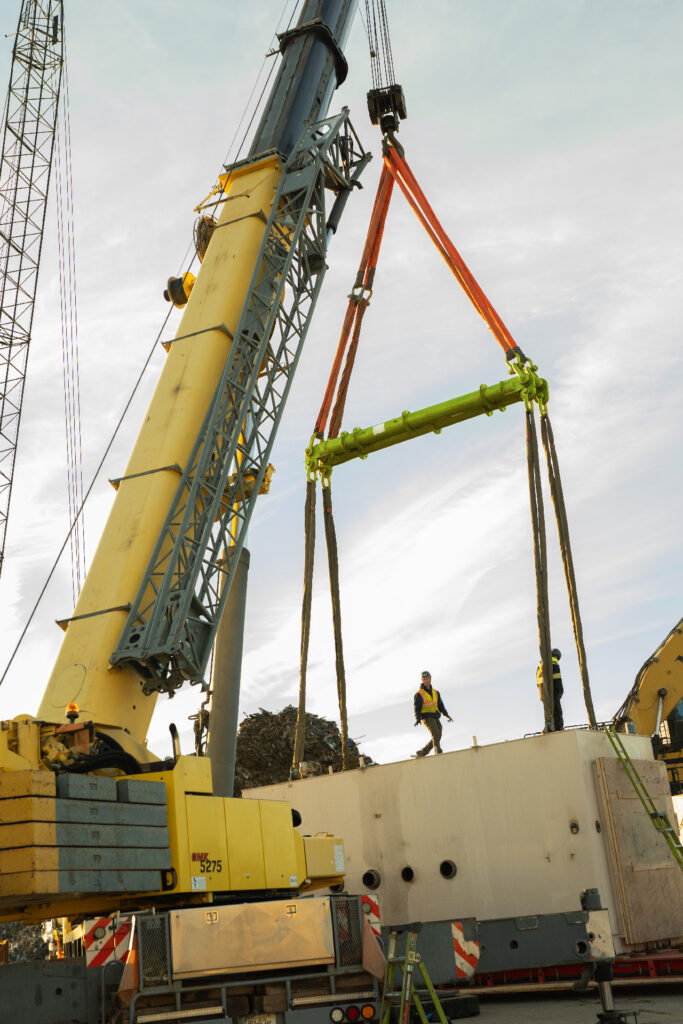
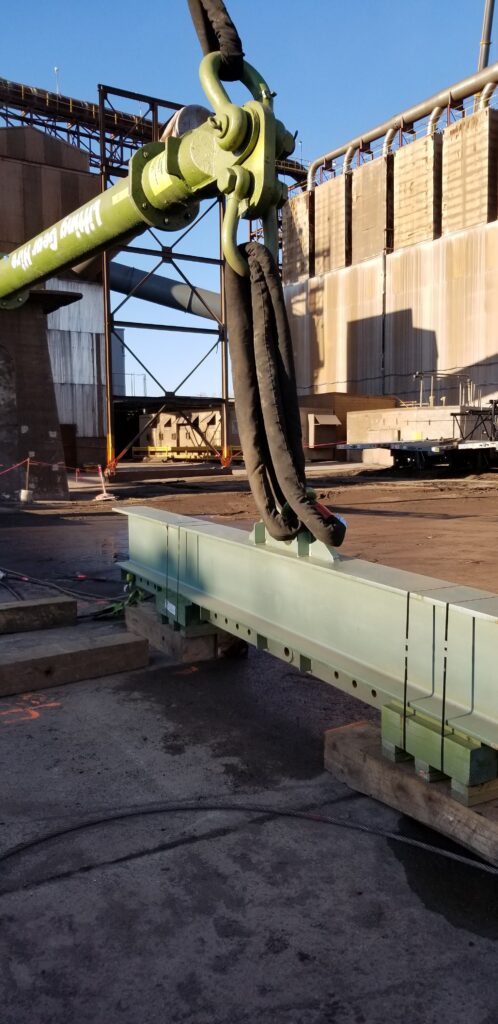
A Modulift modular spreader beam unit.
Modular lifting spreader beams are some of the most versatile below-the-hook lifting devices available. Their interchangeable components allow crews to configure beam lengths, match different pick points, reduce rigging weight, and support a wide range of lifting applications.
But choosing the right modular lifting spreader beam is not as simple as selecting a capacity from a chart.
Load weight, center of gravity, hook type, headroom, sling length, beam angle, drop link orientation, and hardware capacity all affect the final configuration. If one detail is missed, the setup may not perform as intended.
At LGH, we rent Modulift modular spreader beams with capacities ranging from 24 to 1,000 tons. Our rental specialists help crews select the right beam, configuration, and rigging setup for demanding lifts across construction, petrochemical, infrastructure, industrial maintenance, power generation, and other heavy lifting applications.
What Is a Modular Lifting Spreader Beam?
Our largest and smallest Modulift modular spreader beams
A modular lifting spreader beam is a below-the-hook lifting device made from interchangeable components. Instead of using one fixed-length beam, crews can assemble the spreader beam using end units, struts, drop links, shackles, and rigging hardware to create the required length and configuration.
Modular spreader beams are designed to place the beam primarily in compression. This allows them to support high-capacity lifts with less rigging weight than many traditional lifting beams.
Because the components can be reconfigured, modular lifting spreader beams are especially useful when lift spans, load sizes, or project requirements vary from job to job.
Why Choose a Modulift Modular Spreader Beam?
Modulift modular spreader beams are known for their strength, portability, and configurability. They give crews the ability to build a beam setup that matches the lift instead of relying on one fixed beam length.
Key benefits include:
Lightweight modular components
Portable sections for easier transport
Interchangeable struts for different beam lengths
High strength-to-weight ratio
Support for a wide range of load sizes
Ability to use multiple beams in one application
Lower transportation and storage requirements
Flexible configurations for complex lifts
This makes Modulift spreader beams a strong option for long-span lifts, heavy equipment lifts, multi-point picks, and jobs where rigging weight or transport limitations matter.
How Do You Choose a Modular Lifting Spreader Beam?
To choose a modular lifting spreader beam, start by confirming the load weight, pick points, center of gravity, required span, headroom, hook type, sling angles, hardware capacity, and manufacturer-approved configuration. The right beam must match the full lift plan, not just the total weight of the load.
Before selecting a beam, ask:
What exactly is being lifted?
How much does the load weigh?
Where is the center of gravity?
What are the pick point locations?
What bearing-to-bearing length is required?
Is the lift using a single hook, double hook, or quad hook?
Is a single beam or multi-beam setup needed?
Are there headroom restrictions?
What sling type will be used?
Will the shackle working load limit on the end units be exceeded?
Are custom bearing-to-bearing measurements required?
Does the configuration follow manufacturer guidance?
A modular spreader beam gives crews flexibility, but each setup still needs to be selected and assembled correctly.
Common Modular Spreader Beam Selection Mistakes
Most problems with modular lifting spreader beams come from incorrect selection, improper assembly, or field changes that do not match the approved configuration.
Common issues include:
Choosing the wrong beam for the lift scenario
Using a configuration that does not follow manufacturer guidance
Applying incorrect torque values during assembly
Exceeding drop link angle limits
Adjusting off-center loads below the beam instead of above it
Substituting components without approval
Ignoring headroom limitations
Overlooking shackle capacity on the end units
Underestimating the effect of sling length and angle
These mistakes can create unsafe loading conditions or introduce forces the beam was not designed to handle. That is why proper planning and equipment review are essential before delivery and setup.
Beam Configuration Tips
A proper spreader beam configuration starts with the approved lift plan and manufacturer guidance. The configuration should account for capacity, length, strut arrangement, drop link orientation, and the overall rigging geometry.
General configuration considerations include:
Use no more than five total struts, excluding end units, unless otherwise approved.
Use larger struts toward the center of the beam.
Use shorter struts toward the ends when required by the approved configuration.
Confirm substitutions with LGH before equipment delivery.
Confirm all bolts, shackles, links, and components match the required setup.
Review manufacturer instructions before assembly.
Even small changes to the beam arrangement can affect performance. If the job requires a different configuration than originally planned, the setup should be reviewed before use.
Torque Values Matter
Proper bolt torque is critical when assembling a modular spreader beam. If bolts are not torqued correctly, the beam may not perform as designed under load.
Common Modulift torque values include:
MOD 24 through MOD 110H using M20 bolts: 110 ft-lbs
MOD 400 through MOD 110+ using M24 bolts: 184 ft-lbs
Hybrid beams may use both M20 and M24 bolts, so crews should always verify the correct torque values for the specific beam and configuration being used.
Do not assume every beam uses the same bolt size or torque requirement. Always check the manufacturer’s instructions and confirm the correct assembly procedure before lifting.
Understanding Drop Link Orientation and Beam Angles
Drop link orientation plays an important role in modular spreader beam performance. Modulift beams allow limited variation from both the vertical and horizontal planes. Exceeding these limits can create unpredictable compression forces and unsafe loading conditions.
As a general guideline, drop links should remain within the manufacturer’s allowed angle range. If the setup does not meet the required center-to-center pick points, the rigging may need to be adjusted.
Options may include:
Using longer bottom rigging
Adjusting sling lengths
Reviewing the bearing-to-bearing dimensions
Reconfiguring the beam length
Confirming the setup with LGH before use
The goal is to keep the beam and rigging within the approved geometry for the lift.
Adjusting for an Off-Center Load
Not every load has a centered or predictable center of gravity. When the center of gravity is offset, the rigging plan must account for balance before the lift begins.
Off-center load adjustments should be made above the beam, not below it. Adjusting below the beam can introduce unwanted compression issues and affect the behavior of the spreader system.
Sling selection also affects the spreader beam setup. Wire rope slings and synthetic slings can both be used in lifting applications, but each has different characteristics.
Wire rope slings generally have less stretch, which may help in applications where load control and length consistency are important. Synthetic slings are often lighter and easier to handle, which may be useful when rigging weight and maneuverability matter.
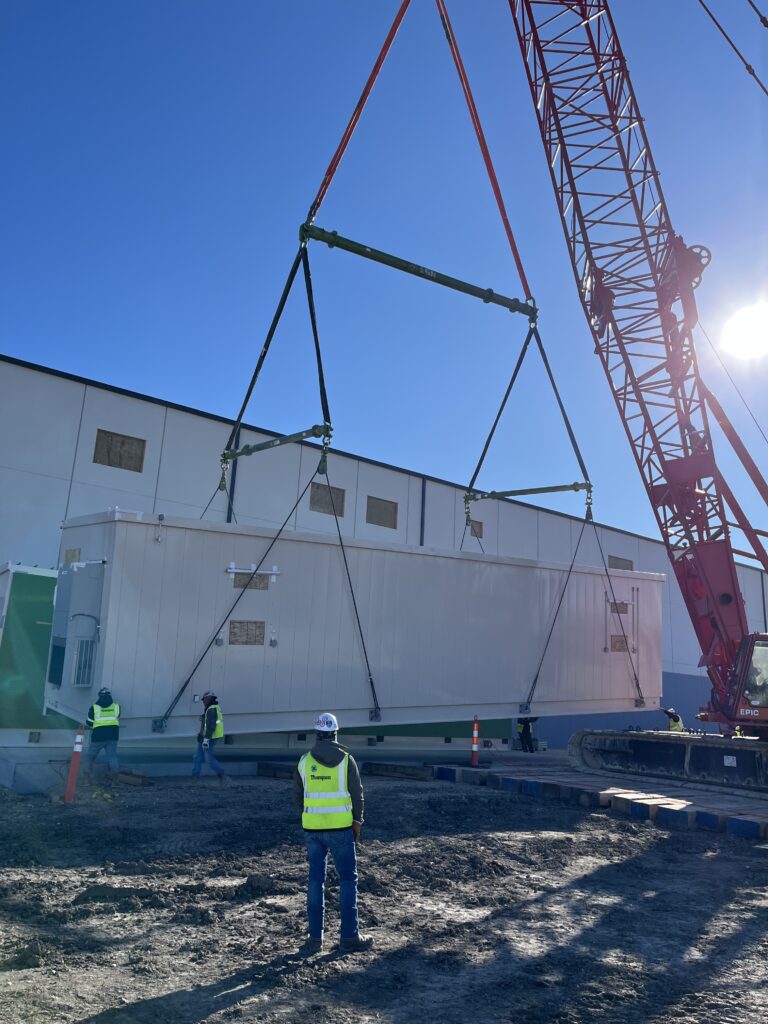
Some lifts require more than one modular lifting spreader beam. Multi-beam setups may be used when a load has multiple pick points, a large footprint, or a complex center of gravity.
Before choosing a multi-beam arrangement, confirm:
Number of pick points
Required load distribution
Available headroom
Hook type
Upper rigging arrangement
Sling angles
Beam capacities
Hardware compatibility
Center of gravity
For certain applications, a CMOD spreader frame may also be appropriate. CMOD configurations can create square or rectangular lifting frames for loads that need support across multiple points.
Get Help Choosing the Right Modular Lifting Spreader Beam
Every lift is different. A modular spreader beam that works for one job may not be right for another, even if the load weights are similar.
LGH can help review your lift requirements, including load weight, span, center of gravity, pick points, headroom, hook type, sling selection, torque requirements, drop link orientation, and overall beam configuration.
Our goal is to help crews rent the right modular lifting spreader beam before the equipment reaches the jobsite, reducing the risk of delays, substitutions, or configuration issues on lift day.
Conclusion
Choosing a modular lifting spreader beam requires more than knowing the load weight. The correct setup depends on the load geometry, center of gravity, bearing-to-bearing length, headroom, hook type, sling angles, hardware capacity, torque values, and manufacturer-approved configuration.
Modulift modular spreader beams offer strength, portability, and flexibility for demanding lifting applications, but they must be selected and assembled correctly. Careful planning helps crews avoid common mistakes, protect the load, and keep the lift controlled from start to finish.
For help choosing the right Modulift modular spreader beam for your next lift, contact LGH today or call 800-878-7305 to speak with a rental specialist.
LGH is North America’s largest single organization devoted exclusively to the provision of lifting and moving equipment for rent. LGH holds the most comprehensive inventory for hoisting, rigging, jacking, pulling, material handling, and safety equipment. With over 90,000 pieces, discover your next project solution at RentLGH.com.