API 8C: What It Means for Drilling and Production Hoisting Equipment
In drilling, production, and oilfield lifting applications, equipment must be designed, manufactured, tested, and documented for demanding service conditions. That is where API 8C plays an important role.
API 8C, also known as API Specification 8C, covers drilling and production hoisting equipment used in petroleum and natural gas operations. The specification helps define requirements for equipment design, materials, manufacturing, testing, documentation, and product specification levels.
For contractors, operators, and equipment users, understanding API 8C can help clarify why compliance, traceability, and proper equipment selection matter when hoisting equipment is used in critical oilfield applications.
What Is API 8C?
API 8C is an American Petroleum Institute specification for drilling and production hoisting equipment. It applies to certain types of oilfield hoisting equipment used in drilling and production operations, including components that support, connect, guide, or handle loads during hoisting activities.
The purpose of API 8C is to establish consistent technical requirements for covered equipment. These requirements help manufacturers, inspectors, rental providers, and end users evaluate whether equipment is designed and documented for its intended oilfield application.
API 8C is commonly referenced alongside other API and industry standards related to drilling, production, inspection, maintenance, and repair.
What Equipment Does API 8C Cover?
API 8C applies to a range of drilling and production hoisting equipment used in oilfield operations. Depending on the equipment design and application, API 8C may apply to items such as:
Spiders (as long as they can be used as elevators)
Drilling hooks
Guide dollies for traveling equipment
Elevator links
Sucker rod elevators
Casing elevators
Hoisting sheaves
Power subs
Safety clamps (if used as hoisting equipment)
Hook blocks and traveling blocks
Power and rotary swivels
Piping and pressure vessels (if mounted on hoisting equipment)
Drill-string motion compensators
Kelly spinners (as long as they can be used as hoisting equipment)
Rill pipe and tubing elevators
Link adapters and connectors
Wire line anchors
Because equipment use and configuration can vary, users should confirm whether API 8C applies to the specific equipment, manufacturer documentation, and job requirements.
Why Does API 8C Matter?
API 8C matters because drilling and production hoisting equipment often operates in demanding environments where failure can create serious safety, operational, and financial consequences.
API 8C helps support:
Consistent design requirements
Material and manufacturing controls
Product testing requirements
Traceability and documentation
Product specification levels
Clearer equipment expectations across the industry
Better alignment between manufacturers, inspectors, and end users
For companies that use or rent oilfield hoisting equipment, API 8C compliance can help support safer equipment selection and more reliable documentation.
What Are API 8C Product Specification Levels?
API 8C includes product specification levels, often referred to as PSLs. These levels define different technical requirement tiers for covered equipment.
In general, PSL 1 represents the baseline product specification level, while PSL 2 includes PSL 1 requirements plus additional requirements identified for PSL 2. The required PSL depends on the equipment, application, purchaser requirements, and governing project specifications.
Because PSL requirements can affect design, testing, documentation, and acceptance criteria, users should confirm which PSL applies before selecting equipment for a drilling or production hoisting application.
API 8C and Equipment Recertification
API 8C can also be relevant during inspection, maintenance, repair, and recertification activities. When covered equipment is inspected or recertified, inspectors may review whether the equipment, documentation, markings, and components align with applicable API requirements and the equipment’s intended use.
This is especially important for equipment that has been repaired, modified, heavily used, or moved between jobsites. Missing documentation, unclear markings, or nonconforming components can create delays during inspection or recertification.
To reduce those issues, companies should work with manufacturers, rental providers, and inspection professionals who understand the applicable API requirements.
Why API-Licensed or API-Compliant Equipment Matters
When drilling and production hoisting equipment must meet API 8C requirements, sourcing equipment from qualified manufacturers and reputable providers is critical. Equipment documentation, markings, traceability, and certification records should be reviewed before the equipment is used.
Using properly documented equipment helps reduce uncertainty and supports jobsite readiness. It can also help contractors avoid delays when inspectors, operators, or project owners require proof that equipment meets applicable standards.
How LGH Supports Oilfield Hoisting and Rigging Needs
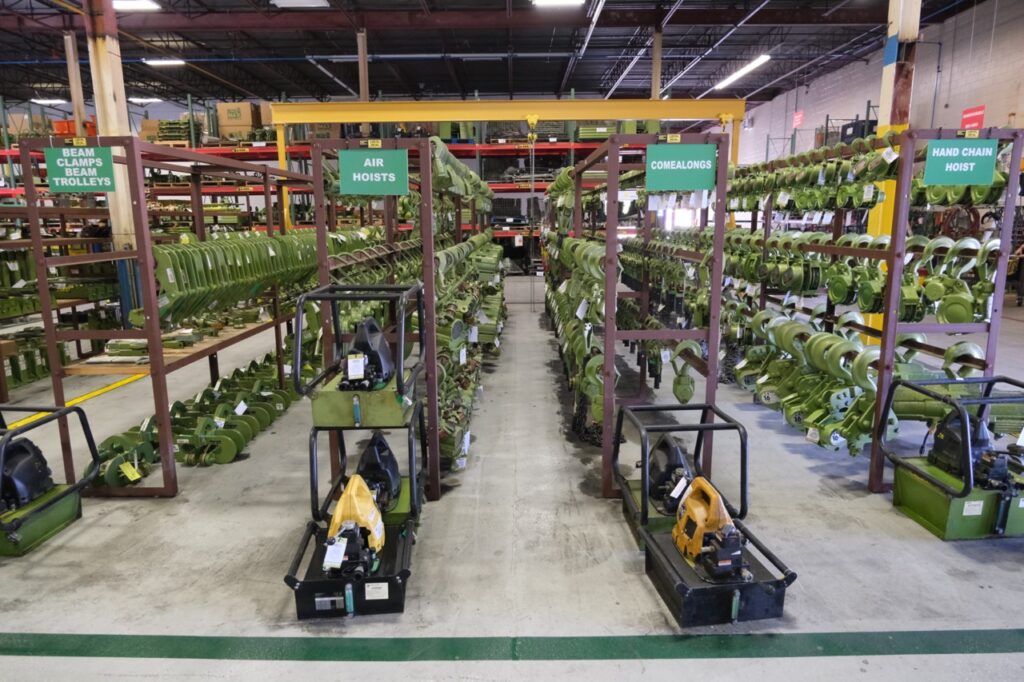
LGH provides hoisting, rigging, jacking, pulling, material handling, and safety equipment rentals for demanding lifting applications. For oilfield, petrochemical, refinery, and industrial projects, our rental specialists can help identify equipment requirements, review application needs, and provide tested, certified, job-ready rental gear.
When your project requires equipment that must align with specific industry standards or documentation requirements, LGH can help you review available rental options and determine the right equipment for the job.
Conclusion
API 8C is an important specification for drilling and production hoisting equipment. It helps define technical requirements for covered oilfield hoisting components, including design, materials, testing, documentation, and product specification levels.
For equipment users, API 8C matters because it supports consistency, traceability, and safer equipment selection in demanding drilling and production environments. Before using covered equipment, crews should confirm the applicable standard, product specification level, documentation, inspection status, and project requirements.
For help selecting hoisting or rigging equipment for your next oilfield, petrochemical, refinery, or industrial project, contact LGH today or call 800-878-7305 to speak with a rental specialist.
LGH is North America’s largest single organization devoted exclusively to the provision of lifting and moving equipment for rent. LGH holds the most comprehensive inventory for hoisting, rigging, jacking, pulling, material handling, and safety equipment. With over 90,000 pieces, discover your next project solution at RentLGH.com.