Rotating Machine Skates: Equipment for Moving Heavy Loads in Tight Spaces
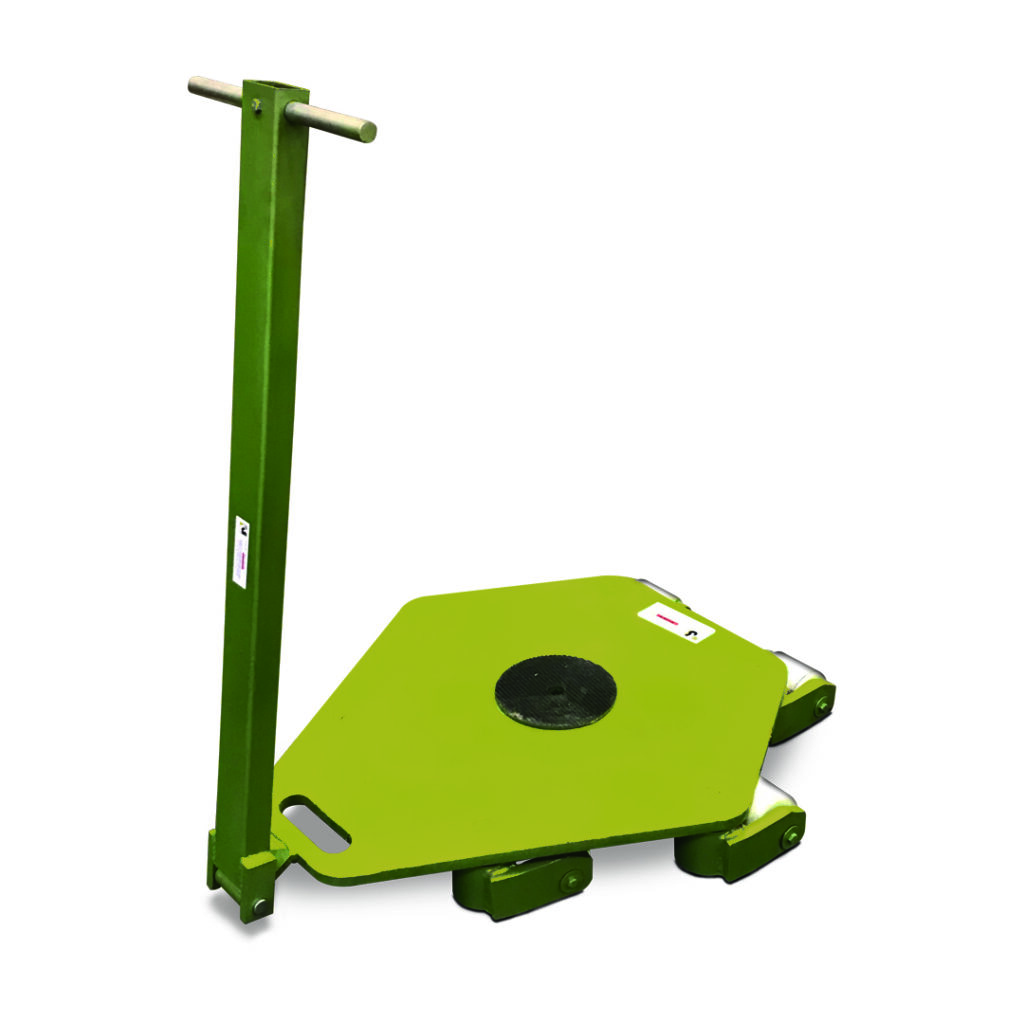
A rotating machine moving skate from LGH.
Rotating machine skates are machine moving skates designed to rotate 360 degrees so crews can turn, maneuver, and precisely position heavy loads in tight spaces. They are commonly used to move machinery, equipment, and industrial components across plants, facilities, warehouses, and jobsites.
Rotating machine skate rentals from LGH are designed for 360-degree movement without additional steering equipment. These skates allow crews to maneuver loads in tight spaces while maintaining the portability of traditional machine moving skates. LGH rents rotating machine skates in 4-ton, 10-ton, 25-ton, 28-ton, 42-ton, 80-ton, and 150-ton capacities for heavy equipment moving, machinery positioning, and tight-space load movement applications.
What Are Rotating Machine Skates?
Rotating machine skates, also commonly called crazy skates, are low-profile load-moving devices placed under heavy equipment so the load can be rolled, turned, or repositioned across a suitable surface. Unlike straight-line skates, rotating machine skates can swivel 360 degrees, giving crews more maneuverability when the path of travel is not straight.
The main advantage of rotating machine skates is movement control in tight spaces. They allow crews to rotate, steer, and adjust a load without relying on a straight-line travel path.
What Are Rotating Machine Skates Used For?
Rotating machine skates are used to move, turn, and position heavy loads when straight-line movement is not enough. They are especially useful when a load must travel through a tight path, rotate during placement, or be positioned with greater precision.
Common applications for rotating machine skates include:
Moving industrial machinery
Positioning heavy equipment
Relocating plant equipment
Moving loads through tight facility spaces
Rotating equipment during final placement
Navigating around obstacles
Supporting machinery installation or removal
Moving equipment where forklifts may not have access
Rotating machine skates are not just another type of machine moving skate. They are best suited for moves where turning, rotating, and final positioning matter as much as load capacity.
What is the Difference Between Rotating Machine Skates and Straight-Line Skates
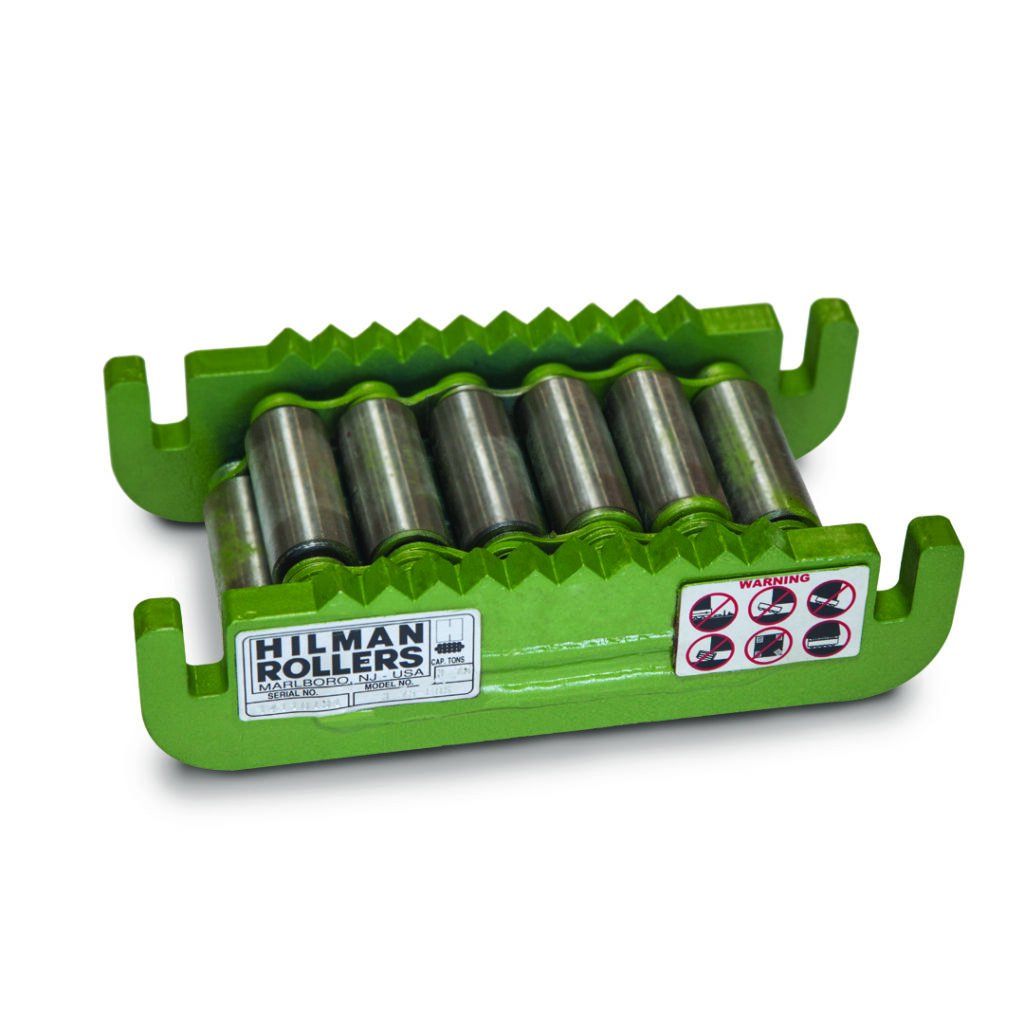
A straight-line Hillman Roller machine skate rental from LGH.
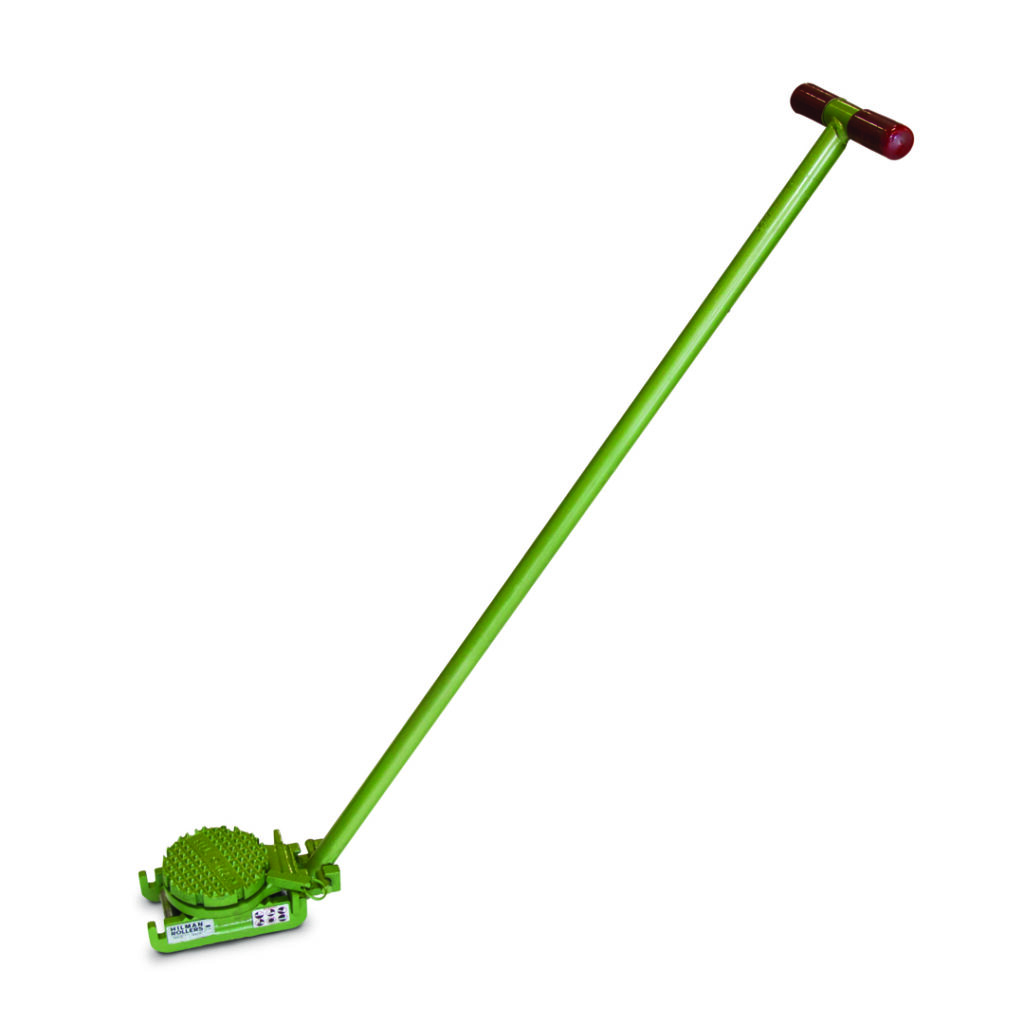
Straight-line machine skates are often used when a load needs to travel in a direct path. They are portable, efficient, and well suited for moves where the travel route is clear and predictable. LGH also rents straight-line machine skates, including the popular Hillman Roller models.
Rotating machine skates, or crazy skates, are designed for moves that require more maneuverability. Because they can rotate 360 degrees, they allow crews to turn, adjust, or position a load in tighter quarters without needing additional steering equipment.
Use rotating machine skates when:
The load needs to turn sharply.
The path of travel is tight or complex.
The load must be rotated during placement.
Precise positioning is required.
Traditional straight-line skates would be difficult to control.
Use straight-line machine skates when:
The move follows a simple, direct path.
Floor conditions are smooth and predictable.
Rotation is not required.
The load can be controlled with a simpler setup.
Before renting machine moving skates for your next project, here are six planning factors to consider.
Key Planning Factors Before Using Crazy Skates
Rotating machine skates can provide excellent maneuverability, but proper planning is still critical. Before renting or using crazy skates, crews should evaluate the load, travel path, floor surface, equipment setup, and load-control requirements.
1. Crew Experience with Machine Moving Skates
Before renting machine moving skates of any type, consider your crew’s experience. Has someone on the crew used skates machine moving equipment before? Do they understand how rotating machine skates behave under load? Are they trained in proper rigging practices, load control, and holdback or tieback methods?
This is especially important with rotating machine skates because the load can move or rotate more freely than it would on straight-line rollers. Crews should understand the manufacturer’s use and care instructions before operating the equipment.
2. Floor Surface and Travel Path Conditions
Floor condition plays a major role in any machine skate move. Before selecting the equipment, review the entire path of travel.
Consider whether the floor has:
Pits
Cracks
Loose debris
Uneven surfaces
Excessive expansion joints
Unknown floor capacity
Slopes or grade changes
Porous or damaged surfaces
The smoother and cleaner the path, the easier the move will be. If the floor surface is questionable, the crew may need to prepare the travel path, choose a different skate machine setup, or consider another moving method.
3. Load Weight and Center of Gravity
Before using machine moving skates, the load weight and center of gravity should be understood. A low center of gravity is generally easier to control, while a high center of gravity requires more planning.
If the center of gravity is high, off-center, or likely to shift during the move, crews must plan carefully to avoid instability. The skate capacity, number of skates, load distribution, and tieback strategy should all account for how the load will behave while moving.
4. Turning, Rotation, and Path of Travel
Rotating machine moving skates on a jobsite in Chicago, moving a heavy duty load.
The path of travel helps determine whether straight-line skates or rotating machine skates are the right choice.
Ask these questions before the move:
Does the load need to rotate?
Are there tight turns along the path?
Is final placement highly precise?
Is there enough room to steer the load?
Are there slopes or uneven sections along the route?
If the move requires turning, rotating, or precise placement, crazy skates or machine steering skates may be the better option. Their ability to rotate 360 degrees makes them useful for tight spaces and complex movement paths.
5. How Many Rotating Machine Skates Do You Need?
Rotating machine skates are commonly used in three-skate or four-skate configurations. The right setup depends on the load weight, dimensions, center of gravity, and weight distribution.
When planning the setup, consider:
Total load weight
Load shape and footprint
Center of gravity
Potential CG shift during movement
Load distribution across each skate
Required stability during turning or rotation
In many cases, a three-skate setup can provide a stable configuration because it helps capture the center of gravity more effectively. However, every move is different, and the final setup should be based on the load and site conditions.
6. Holdbacks, Tiebacks, and Load Control
Any load on wheels will naturally follow the path of least resistance. If the floor has a slope, grade change, or uneven section, the load may move in an unintended direction unless proper load control is in place.
Holdbacks and tiebacks help control the load during movement. Depending on the setup, crews may use hoists, Griphoists, winches, or other equipment to help prevent unwanted rotation or movement.
For rotating machine skates, load control is especially important because the skates allow 360-degree movement. Proper tieback planning helps keep the move controlled from start to finish.
Rotating Machine Skates Use Case: Emergency Hiperbaric Chamber Installation
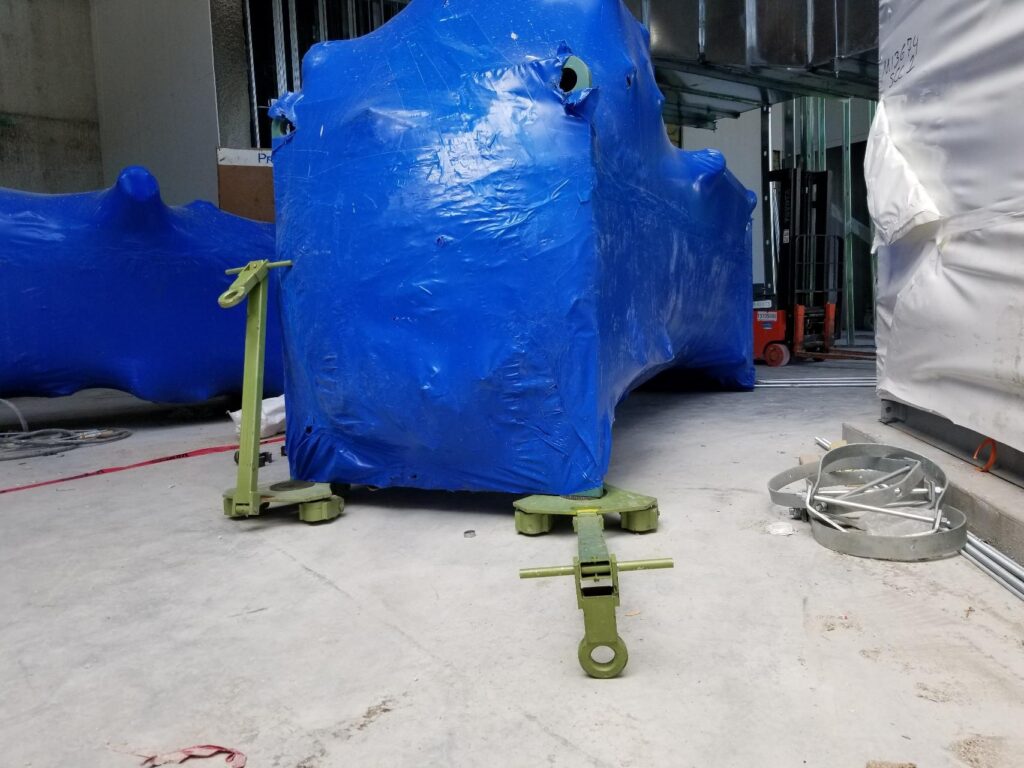
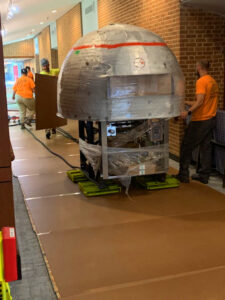
A real-world example of rotating machine skates in action came during an emergency equipment replacement at a food-grade facility. Pennsylvania Crane, Hoist & Rigging Company needed to replace a 56,000-pound Hiperbaric High-Pressure Processing chamber after the existing unit unexpectedly broke down.
Rotating machine skates from LGH helped move this large load inside of a facility with tight confines.
The job required speed, control, and precision. The replacement chamber had to be brought into the building fully assembled, moved through the facility, and positioned within one millimeter of accuracy on the XYZ plane.
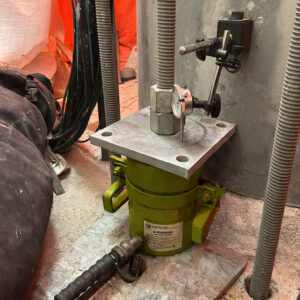
To complete the move, the crew worked with LGH to rent:
LGH rents rotating machine skates, also known as crazy skates, in 4-ton, 10-ton, 25-ton, 28-ton, 42-ton, 80-ton, and 150-ton capacities. These skates are designed for moving, turning, and positioning heavy loads where 360-degree maneuverability is needed.
Our rental specialists can help review your load weight, center of gravity, floor conditions, travel path, turning requirements, and load-control needs to help determine the right moving solution for your application.
LGH can also help evaluate related equipment needs, including holdbacks, tiebacks, hoists, jacks, and other rigging or material handling equipment required for the move.
Conclusion
Rotating machine skates can be an efficient solution for moving heavy equipment across plants, facilities, and jobsites. Straight-line skates are useful for direct travel paths, while rotating machine skates offer added maneuverability for tight turns, load rotation, and precise positioning.
Before renting machine moving skates, crews should evaluate floor conditions, load weight, center of gravity, path of travel, number of skates, and load control requirements. Proper planning helps improve control, reduce risk, and keep the move running efficiently.
For help choosing the right machine moving skates, rotating machine skates, or heavy equipment moving solution for your next project, contact LGH today or call 800-878-7305.
Frequently Asked Questions About Rotating Machine Skates
What are rotating machine skates?
Rotating machine skates are low-profile load-moving devices used to move, turn, and position heavy equipment. They rotate 360 degrees, allowing crews to maneuver loads through tight spaces or around obstacles.
Why are rotating machine skates called crazy skates?
Rotating machine skates are often called crazy skates because they can swivel and move in multiple directions, unlike traditional straight-line skates that are designed for direct travel paths.
What are crazy skates used for?
Crazy skates are used to move heavy machinery, equipment, and industrial components when the load needs to turn, rotate, or be positioned precisely in a limited space.
What is the difference between rotating machine skates and standard machine skates?
Standard machine skates are typically used for straight-line movement. Rotating machine skates can rotate 360 degrees, making them better suited for tight turns, complex travel paths, and final positioning.
How many rotating machine skates do you need?
Rotating machine skates are commonly used in three-skate or four-skate configurations. The right number depends on the load weight, footprint, center of gravity, weight distribution, and movement plan.
What capacities are LGH rotating machine skates available in?
LGH currently rents rotating machine skates in 4-ton, 10-ton, 25-ton, 28-ton, 42-ton, 80-ton, and 150-ton capacities.
Does LGH rent rotating machine skates?
Yes. LGH rents rotating machine skates, also known as crazy skates, along with related lifting, pulling, rigging, jacking, and material handling equipment.
LGH is North America’s largest single organization devoted exclusively to the provision of lifting and moving equipment for rent. LGH holds the most comprehensive inventory for hoisting, rigging, jacking, pulling, material handling, and safety equipment. With over 90,000 pieces of equipment, discover your next project solution at RentLGH.com.