Working in confined spaces presents serious safety challenges, especially when workers need to enter tanks, manholes, pits, vaults, or other areas with limited access. In these environments, crews need more than a way in and out. They need a reliable method for fall protection, rescue, and retrieval.
A tripod rescue system is one of the most common solutions for vertical confined space entry. Also known as a confined space tripod or confined space entry tripod, this system provides a stable overhead anchor point for fall arrest, personnel retrieval, and controlled lowering or lifting.
In this blog post, we’ll explain what a tripod rescue system is, how it works, what components are typically included, and when a tripod is the right choice for confined space work.
What is a Tripod Rescue System?
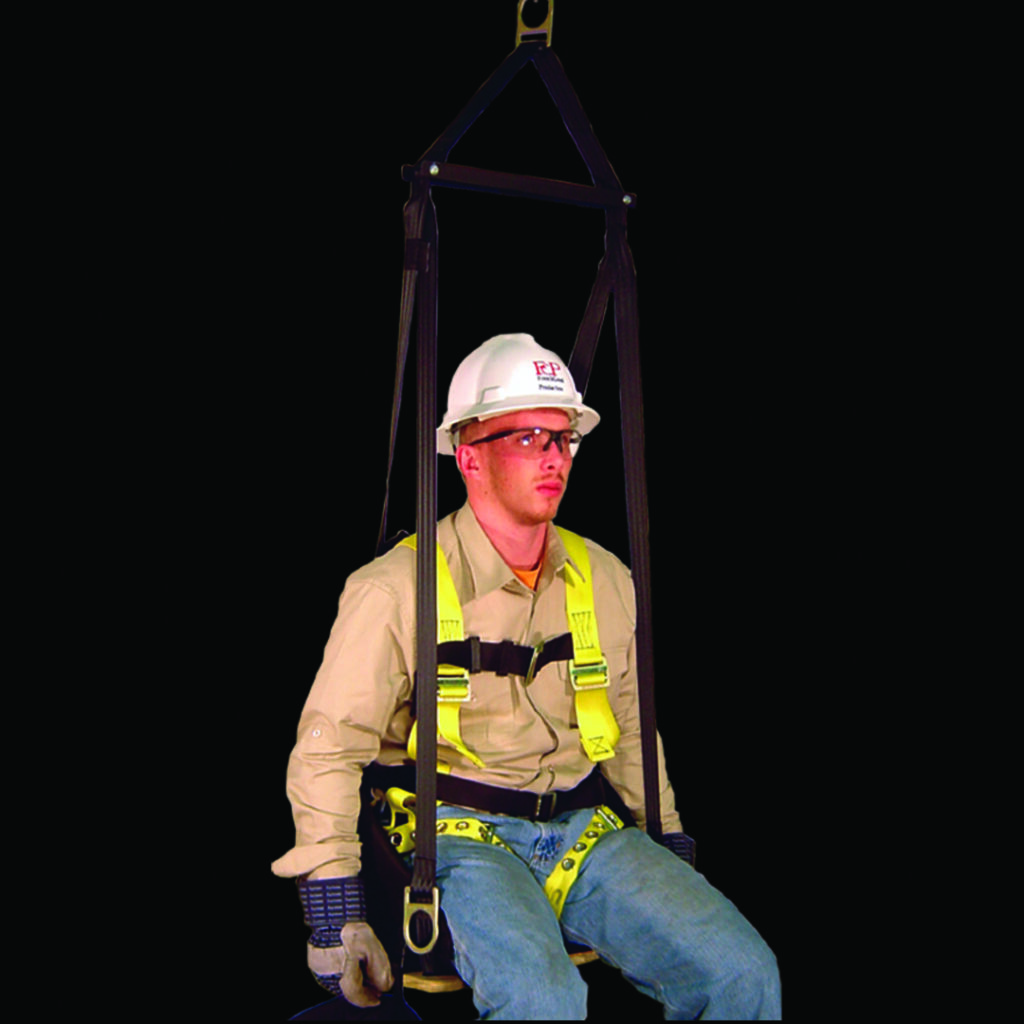
A tripod rescue system is a portable fall arrest and retrieval system used for confined space entry and rescue operations. It typically consists of an adjustable aluminum tripod, a personnel winch or three-way self-retracting lifeline, and compatible mounting brackets or accessories.
The tripod is positioned over the confined space entry point to create a secure overhead anchor. From there, the system can help lower a worker into the space, provide fall protection during entry, and retrieve the worker if a rescue is required.
Tripod rescue systems are commonly used for vertical entry applications such as tanks, manholes, pits, vaults, and other confined spaces where a fixed anchor point is not available.
When Should You Use a Confined Space Entry Tripod?
A confined space entry tripod is commonly used when workers need vertical access into a confined space and there is no permanent overhead anchor available. It is especially useful when the entry point is directly below the tripod and the surface around the opening is level and stable.
Common applications include:
Manhole entry
Tank entry
Pit access
Vault access
Utility work
Water and wastewater maintenance
Industrial maintenance
Rescue and retrieval planning
A tripod rescue system is often preferred because it is portable and relatively simple to set up. It is effective for many vertical confined space applications.
Benefits of Using a Tripod Rescue System
A Tripod Rescue System provides several benefits for confined space entry and rescue work. Its portable design allows crews to bring an anchor point to the entry location, even when a fixed anchor is not available.
Key benefits include:
Portable fall arrest and retrieval support
Useful for vertical confined space entry
Adjustable setup for different entry points
Compatible with personnel winches and rescue SRLs
Helps support emergency retrieval planning
Simple setup compared to more complex confined space systems
Useful for tanks, manholes, pits, vaults, and similar spaces
For crews working in confined spaces, having a properly selected and correctly installed tripod system can improve preparedness and help support safer entry and rescue operations.
Limitations of a Confined Space Tripod
While tripod systems are useful, they are not the right solution for every confined space application. A Tripod Rescue System is typically best suited for vertical entry over a stable, level surface.
A tripod may not be ideal when:
The entry is horizontal or angled
The surface is uneven or unstable
The opening is too large or irregular
The tripod cannot be centered over the entry point
The rescue path is obstructed
A more complex access system is required
In these situations, another confined space entry system, such as a davit system or engineered anchor setup, may be more appropriate. The equipment should always be selected based on the site conditions, rescue plan, and applicable safety requirements.
Tripod Rescue System Safety Considerations
A tripod rescue system should only be used by trained personnel who understand confined space hazards, fall arrest equipment, and rescue procedures. The tripod is only one part of a complete confined space safety plan.
Before use, crews should:
Review the confined space entry plan.
Confirm that all workers are properly trained.
Inspect the tripod, winch, SRL, brackets, and connectors.
Verify that all components are compatible and properly rated.
Set the tripod on a stable, level surface.
Confirm that the system is centered over the entry point.
Follow the manufacturer’s instructions for setup and operation.
Make sure a rescue plan is in place before entry begins.
Training and planning are critical. Having the right equipment is important, but workers must also know how to use the system correctly and respond quickly in an emergency.
Conclusion
The French Creek Tripod Rescue System is a practical and reliable solution for many confined space entry, fall arrest, and retrieval applications. By providing a portable overhead anchor point, a confined space tripod can help crews safely lower, support, and retrieve workers in vertical entry situations such as tanks, manholes, pits, and vaults.
However, a tripod is not a universal solution for every confined space. The entry type, surface condition, rescue path, equipment compatibility, and worker training all need to be reviewed before work begins. When used properly as part of a complete confined space safety plan, a Tripod Rescue System can play an important role in protecting workers and improving emergency preparedness.
For help selecting equipment for your next project, contact LGH today or call 800-878-7305 to speak with a rental specialist.
LGH holds North America’s most extensive inventory of lifting and rigging equipment, with a mission to ensure the safety and efficiency of operations worldwide. With over 90,000 pieces of gear and a network of locations across Canada and the US, LGH remains committed to excellence and innovation in every aspect of our service.