Shock Loading in Rigging: What It Is and How to Prevent It
Shock loading is one of the most dangerous forces that can occur during a lift. It happens when a sudden impact or abrupt movement applies excessive force to a rigging system, often exceeding the equipment’s rated capacity even when the load itself is within the working load limit.
In rigging and lifting operations, shock loading can damage slings, hooks, shackles, hoists, cranes, and other lifting equipment. The damage is not always visible right away, which makes shock loading especially dangerous. Over time, repeated impact forces can weaken equipment and increase the risk of sudden failure.
At LGH, we emphasize proper lift planning, equipment inspection, operator training, and controlled load movement to help crews reduce the risk of shock loading on the jobsite.
What is Shock Loading?
Shock loading occurs when a sudden, excessive force is applied to lifting or rigging equipment. This can happen when a load is dropped, stopped abruptly, started too quickly, shifted unexpectedly, or allowed to swing or “flop” during movement.

Sudden movements multiply forces on your crane.
Even if the load is within the rated capacity of the equipment, the sudden impact can multiply the force placed on the rigging system. For example, gently placing a load onto a sling is very different from dropping that same load onto the sling. The dropped load creates a much higher impact force, which can damage the equipment instantly or weaken it over time.
In simple terms, shock loading is not just about how much the load weighs. It is about how suddenly force is applied to the equipment.
Common Causes of Shock Loading
Shock loading can occur in several ways during lifting, rigging, pulling, or load-moving operations. Common causes include:
-
Dropping a load onto rigging equipment
-
Starting or stopping a crane or hoist too abruptly
-
Allowing a suspended load to swing uncontrolled
-
Letting a load shift, fall, or “flop” during positioning
-
Snatching a load instead of applying force gradually
-
Taking slack out of a rigging system too quickly
-
Using equipment in a way that creates sudden impact forces
In many cases, shock loading is caused by uncontrolled movement. The best way to prevent it is to keep the load stable, apply force gradually, and avoid sudden impacts throughout the lift.
What Happens When Rigging Equipment Is Shock Loaded?
Shock loading can cause immediate equipment failure, but the damage is not always obvious. In many cases, the equipment may appear usable after the incident even though internal or structural damage has already occurred.
Shock loading can cause:
-
Wire rope damage
-
Stretched or deformed hooks
-
Bent shackles or hardware
-
Cracked welds
-
Fatigue fractures
-
Damaged hoists or cranes
-
Reduced sling or rigging capacity
-
Load instability or sudden failure
This hidden damage is what makes shock loading so dangerous. A sling, hoist, hook, or piece of rigging hardware may look acceptable during a basic visual check but fail later under load. Any equipment suspected of being shock loaded should be removed from service and inspected by a qualified person before reuse.
A Real-World Example

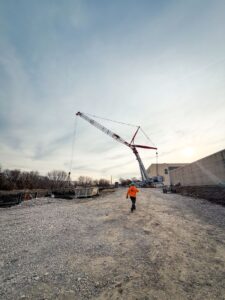
Shock loading can quickly damage cranes and rigging, handle every lift with care.
Consider a facility where heavy components are regularly moved and repositioned during handling. Each time a load shifts or is set down abruptly, the impact sends vibrations through the rigging and hoist system, gradually wearing down equipment and increasing the risk of failure over time.
The crane isn’t failing today, tomorrow, or even this year. But know that this constant abuse is slowly wearing down its components and eventually, one shock load too many will trigger a catastrophic failure.
How to Prevent Shock Loading
Shock loading is preventable when crews plan the lift properly and maintain control of the load throughout the operation. The goal is to avoid sudden movement, impact, or force transfer into the rigging system.
To reduce the risk of shock loading:
-
Plan the lift before work begins.
-
Confirm the load weight and center of gravity.
-
Use properly rated rigging and lifting equipment.
-
Remove slack from the rigging system gradually.
-
Avoid sudden starts, stops, drops, or direction changes.
-
Keep the load controlled with tag lines when appropriate.
-
Do not allow the load to swing, shift, or flop.
-
Follow manufacturer guidelines and rated capacities.
-
Inspect equipment before and after use.
-
Remove any suspected shock-loaded equipment from service.
Controlled movement is one of the most important parts of shock load prevention. If the load begins to move unexpectedly, stop the lift, reassess the setup, and correct the issue before continuing.
By prioritizing safe practices, conducting thorough inspections, and avoiding shortcuts, you can dramatically reduce the risk of shock loading incidents. At LGH, we support safe lifting with a wide range of inspected, ready-to-rent equipment. Our inventory covers everything from air chain hoists and spreader beams to hydraulic jacks and rack rollers, with capacities ranging from less than a ton to well over 400 tons. Whatever the challenge, we’ve got the right gear to match the job.
Frequently Asked Questions About Shock Loading
What is shock loading in rigging?
Shock loading in rigging occurs when a sudden impact or abrupt movement applies excessive force to lifting or rigging equipment. This can happen when a load is dropped, started too quickly, stopped suddenly, or allowed to shift unexpectedly.
Why is shock loading dangerous?
Shock loading is dangerous because it can multiply the force placed on rigging equipment and exceed rated capacities. It can also create hidden damage that may not be visible until the equipment fails later under load.
What causes shock loading?
Common causes of shock loading include sudden starts and stops, dropped loads, uncontrolled swinging, load shifting, taking slack out too quickly, or allowing a load to flop during positioning.
What should you do if equipment is shock loaded?
If equipment is suspected of being shock loaded, remove it from service immediately. It should be inspected by a qualified person before it is used again.
How can shock loading be prevented?
Shock loading can be prevented by planning the lift, applying force gradually, controlling the load, avoiding sudden movement, using properly rated equipment, and inspecting rigging gear before and after use.
Conclusion
Shock loading may not always leave visible damage, but its impact on rigging equipment can be serious. A sudden drop, abrupt stop, uncontrolled swing, or shifting load can create forces that exceed equipment ratings and weaken slings, hooks, shackles, hoists, cranes, and other lifting components.
Preventing shock loading starts with proper planning and controlled movement. Crews should confirm the load weight, use the right equipment, remove slack gradually, avoid sudden impacts, and inspect all rigging gear before and after the lift. If equipment may have been shock loaded, it should be removed from service and inspected before being used again.
For help selecting inspected lifting, rigging, pulling, jacking, or material handling equipment for your next project, contact LGH today or call 800-878-7305 to speak with a rental specialist.