Snatch Block Rigging: Choosing the Block for Your Lifting or Pulling Project
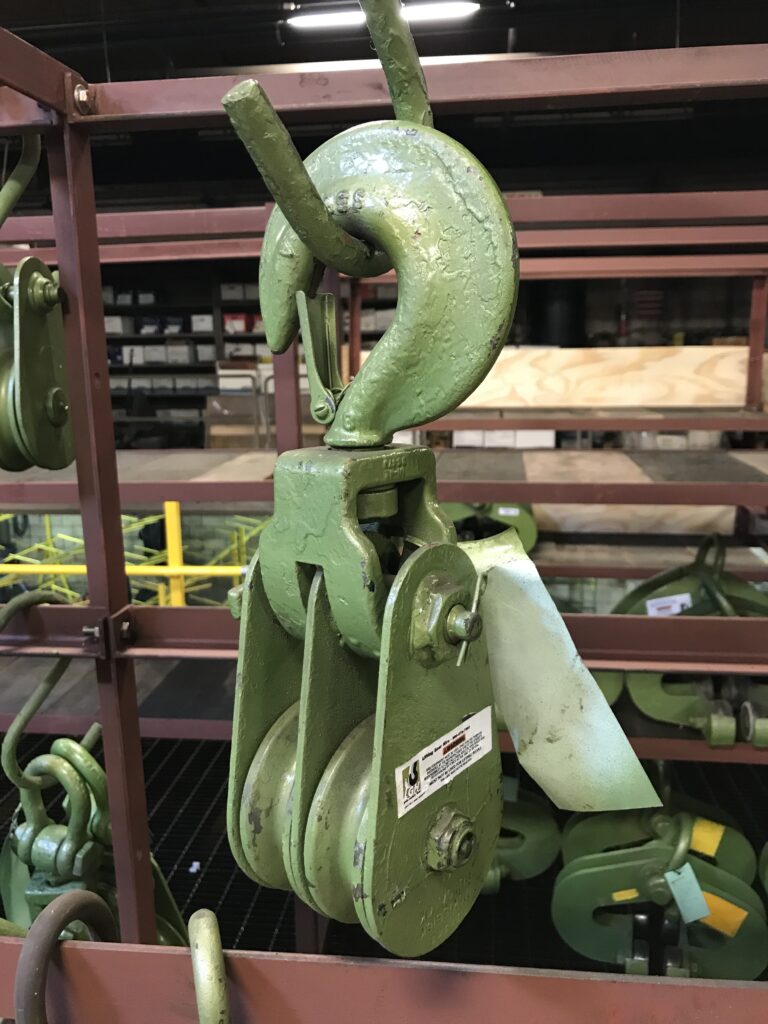
Crosby 4 ton snatch block with hook.
Snatch blocks are important tools in rigging, lifting, and pulling applications where wire rope needs to be redirected, supported, or used to increase mechanical advantage. When selected correctly, a snatch block can help improve line control, change the direction of pull, and support more efficient load movement.
However, not every snatch block is right for every job. Capacity, wire rope size, sheave diameter, bearing type, connection style, number of sheaves, and supporting structure all play a role in choosing the correct equipment.
In this blog post, we’ll explain how snatch block rigging works, what factors to consider before selecting a block, and which snatch block options are available for rent from LGH.
What Is a Snatch Block?
A snatch block is a pulley block with side plates that open so wire rope can be inserted without threading the rope through the entire block. This makes it useful in lifting, pulling, winching, and load-control applications where the rigging setup needs to be assembled quickly or adjusted in the field.
Snatch blocks are commonly used to change the direction of a pull, redirect a wire rope line, or create a mechanical advantage in a rigging system. They may be used with hoists, winches, cranes, wire rope, shackles, hooks, and other rigging equipment.
Snatch Block vs. Sheave Block: What’s the Difference?
A sheave block is a general term for a block that contains one or more sheaves, or grooved wheels, used to guide wire rope, synthetic rope, or cable. In rigging, sheave blocks are used to change line direction, support a load path, or create mechanical advantage.
A snatch block is a specific type of sheave block with side plates that open. This opening feature allows the wire rope to be inserted into the block without threading the rope through from the end. That makes snatch blocks especially useful for field rigging, winching, lifting, and pulling applications where the line is already installed or where the setup needs to be changed quickly.
In simple terms, all snatch blocks are sheave blocks, but not all sheave blocks are snatch blocks. The key difference is that a snatch block opens to accept the rope, while many standard sheave blocks require the rope to be fed through the block.
How Do I Choose a Snatch Block?
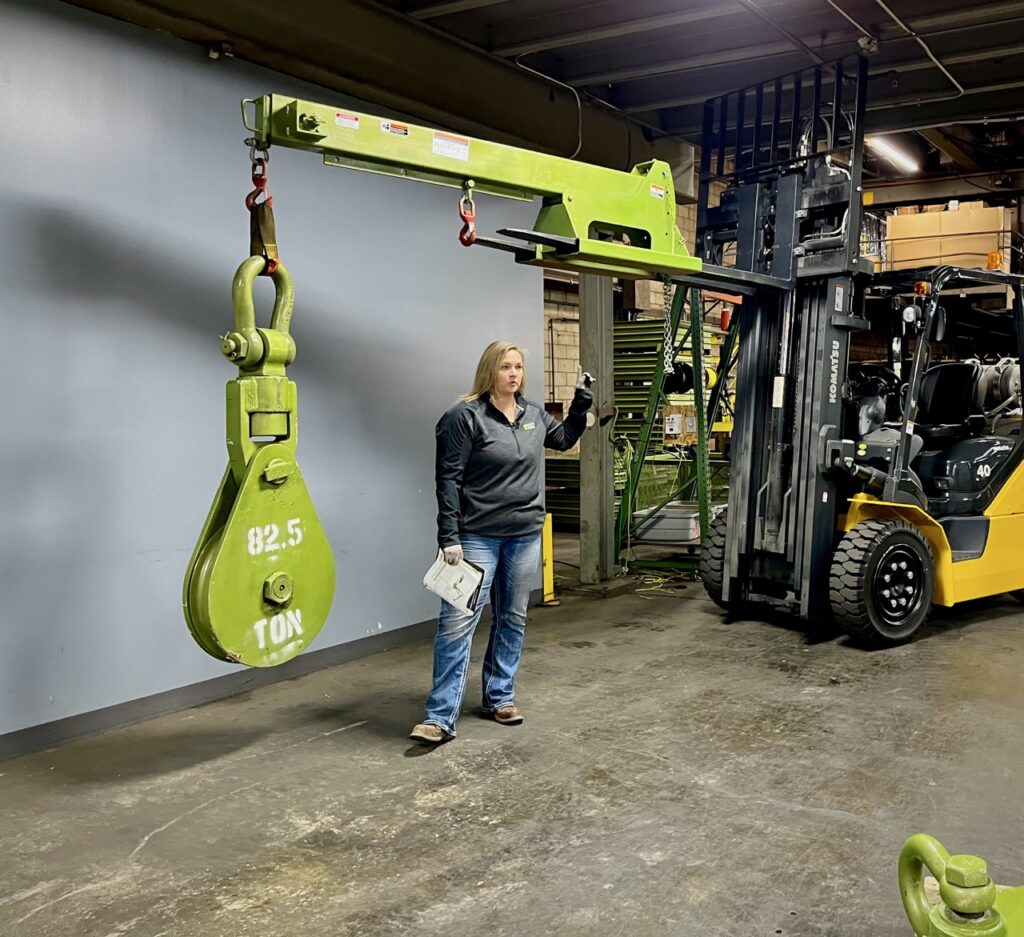
A heavy duty 82.5 ton snatch block rental from LGH.
To choose a snatch block, start by confirming the load weight, line pull, wire rope size, required sheave diameter, connection type, number of sheaves, bearing style, and supporting structure capacity. The snatch block must be rated for the forces created by the rigging system, not just the weight of the load.
Before selecting a snatch block, consider:
Load weight
Line pull or hoisting force
Wire rope diameter
Sheave diameter
Number of sheaves needed
Hook or shackle connection
Bearing or bushing type
Direction of pull
Rigging angle
Supporting structure capacity
Whether the block is being used for lifting or pulling
Choosing the right snatch block is not only about matching capacity. The full rigging system must be evaluated to make sure every component is properly rated and compatible.
Key Factors in Snatch Block Rigging
Capacity
The snatch block must have enough capacity for the load forces created during the lift or pull. In some rigging setups, the force on the block or anchor point may be greater than the load itself because the system includes both the load and the pulling or hoisting force.
Always confirm the working load limit of the snatch block and every connected component, including hooks, shackles, wire rope, anchors, and supporting structures.
Wire Rope Size
Snatch blocks are designed for specific wire rope diameter ranges. Using wire rope that is too large or too small for the sheave can reduce efficiency, increase wear, or create unsafe operating conditions.
Always match the snatch block to the wire rope size required for the application.
Sheave Diameter
The sheave diameter affects wire rope performance and service life. A larger sheave can help reduce bending stress on the wire rope, while a sheave that is too small can accelerate rope wear.
When selecting a snatch block, make sure the sheave diameter is appropriate for the wire rope being used and the type of work being performed.
Single Sheave vs. Double Sheave
Single-sheave snatch blocks are commonly used to redirect a line or support simple rigging arrangements. Double-sheave blocks can provide additional versatility and may be useful in more complex lifting or pulling systems.
The right option depends on the line path, mechanical advantage needed, and the rigging configuration.
Hook vs. Shackle Connection
Snatch blocks may be available with swivel hooks or swivel shackles. Hook-style blocks can be convenient for quick connection, while shackle-style blocks may provide a more secure connection in certain rigging setups.
The connection type should match the rigging plan, anchor point, load direction, and jobsite requirements.
Bearing or Bushing Type
Some snatch blocks use bronze bushings, while others use roller bearings. Bushing-style blocks may be suitable for many general applications, while roller bearing options can provide smoother operation and reduced friction in more demanding or frequent-use applications.
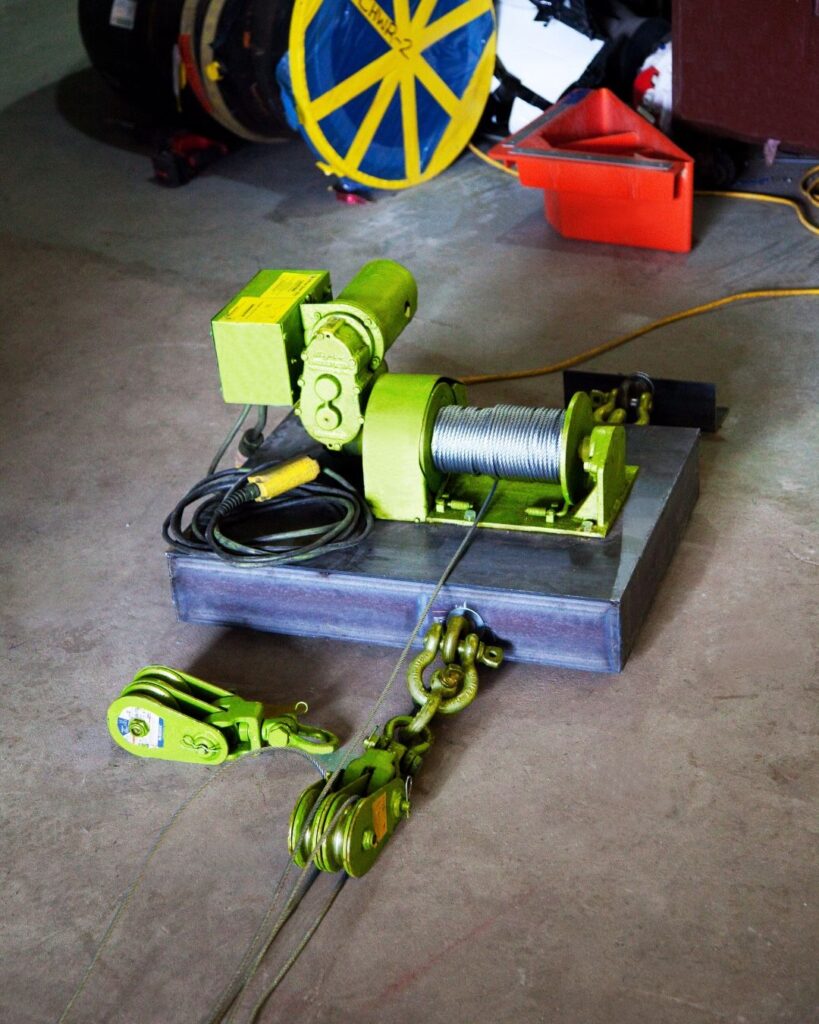
Snatch blocks can pair with a winch for pulling applications.
Important Safety Note for Snatch Block Rigging
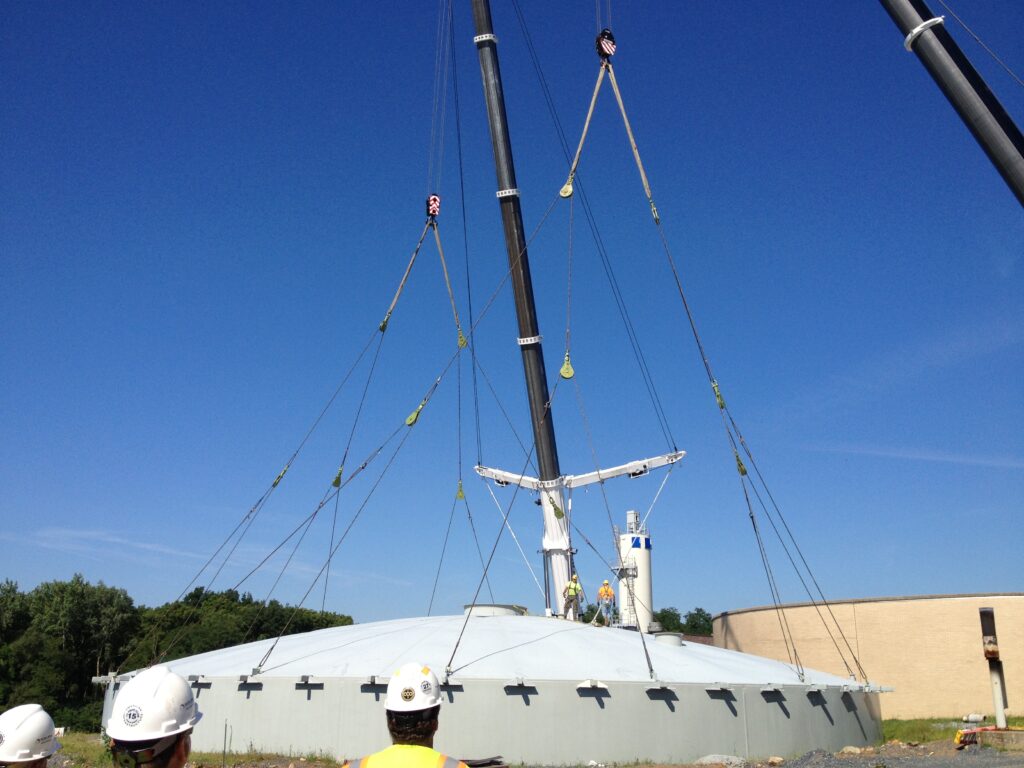
When snatch blocks, pulley blocks, or wire rope sheave systems are used, the load on the supporting structure can increase. The anchor point may experience force from both the load and the pulling or hoisting effort.
This means crews must evaluate the entire rigging system, not just the snatch block. Before use, confirm that the supporting structure, anchor points, wire rope, hooks, shackles, and all related hardware are properly rated for the forces involved.
Never assume the load on the anchor point is the same as the load being moved. Rigging angle, line direction, and mechanical advantage can all affect the forces in the system.
Snatch Block Rental Options from LGH
LGH offers a wide range of Crosby snatch blocks for lifting, pulling, and rigging applications. Options include single-sheave, double-sheave, hook-style, and shackle-style blocks in multiple capacities.
Crosby Super Champion Snatch Blocks
Crosby 430 with Hook Super Champion snatch block.
407 Tail Board Crosby Super Champion
431 with Shackle Crosby Super Champion.
Crosby Super Champion snatch blocks are available in larger capacities and are well suited for heavy-duty rigging applications. These single-sheave blocks include forged, heat-treated swivel hook or swivel shackle options, pressure lube fittings, and bronze bushing or roller bearing options.
They are a strong choice when crews need a rugged snatch block for higher-capacity lifting or pulling applications.
Crosby Light Champion Snatch Blocks
408 with Hook Crosby Light Champion.
409 with Shackle Crosby Light Champion.
Crosby Light Champion snatch blocks are available in double-sheave configurations for lighter lifting or pulling operations where additional line control or versatility is needed.
These blocks include drop-forged swivel hook or shackle options, pressure lube fittings, and bronze bushing or roller bearing options. They are useful when a dual-sheave setup better supports the rigging plan.
Crosby Champion Snatch Blocks
420 with Hook Crosby Single Sheave
421 with Shackle Crosby Single Sheave.
Crosby Champion snatch blocks offer a strong all-around option for medium-duty lifting and pulling work. These single-sheave blocks feature forged alloy steel components, side plate designs that help prevent rope jamming, and hook or shackle options.
They are a practical choice for projects that require reliable performance and setup flexibility.
Crosby All Alloy Snatch Blocks
402 Tailboard Crosby single sheave snatch.
416 with Hook Crosby single sheave.
417 with Shackle Crosby single sheave.
Crosby All Alloy snatch blocks are designed to reduce block weight while maintaining capacity and durability. Their heat-treated alloy steel construction makes them significantly lighter than comparable capacity blocks.
These blocks are useful when weight reduction is important but the project still requires a durable snatch block for demanding rigging conditions.
When Should You Rent a Snatch Block?
Snatch block rental may be a good choice when your project requires a specific capacity, wire rope size, sheave type, or connection style for a temporary lift or pull. Renting allows crews to access the right block for the application without purchasing equipment that may only be needed for one job.
Snatch blocks are commonly used for:
Lifting operations
Pulling applications
Winching setups
Changing line direction
Creating mechanical advantage
Load positioning
Heavy equipment movement
Construction and industrial rigging
LGH rental specialists can help match the right snatch block to your application, wire rope, load requirements, and rigging plan.
Conclusion
Snatch block rigging can help crews lift, pull, redirect, and control loads more efficiently, but the right block must be selected for the specific application. Capacity, wire rope size, sheave diameter, number of sheaves, bearing type, connection style, and supporting structure capacity should all be reviewed before use.
The best snatch block is the one that matches the load forces, wire rope, rigging layout, and jobsite conditions. Because snatch blocks can increase the forces placed on anchor points and supporting structures, the full rigging system should always be evaluated before the lift or pull begins.
For help choosing the right snatch block for your next rigging, lifting, or pulling application, contact LGH today or call 800-878-7305 to speak with a rental specialist.
LGH is North America’s largest single organization devoted exclusively to the provision of lifting and moving equipment for rent. LGH holds the most comprehensive inventory for hoisting, rigging, jacking, pulling, material handling, and safety equipment. With over 90,000 pieces, discover your next project solution at RentLGH.com.