Crane Headache Ball: Types, Uses, and How to Choose One
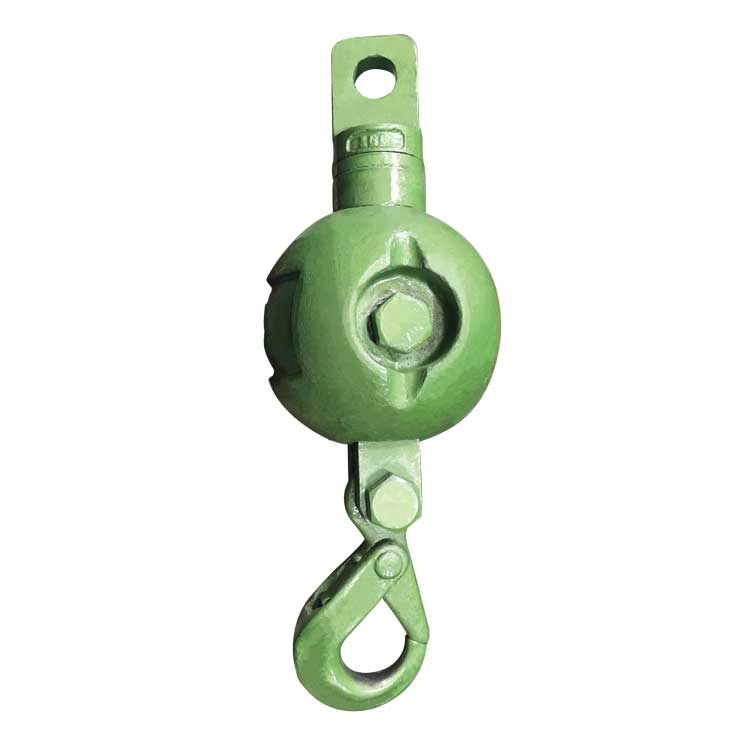
A McKissick crane headache ball rental from LGH.
A crane headache ball, also known as an overhaul ball, crane ball, or crane hook ball, adds weight to a crane’s single-line hoist rope. This extra weight helps keep the line taut, supports proper spooling on the drum, and helps reduce twisting that could damage the wire rope.
Crews commonly use crane headache balls on single-part lines, whip lines, and other crane applications where the line needs additional weight to operate properly. Depending on the style, a headache ball may simply add ballast to the line or provide both weight and a hook for lifting.
In this blog post, we’ll explain what a crane headache ball does, review the main types of crane balls used in lifting operations, and discuss how to choose the right crane hook ball for your application.
What Is a Crane Headache Ball?
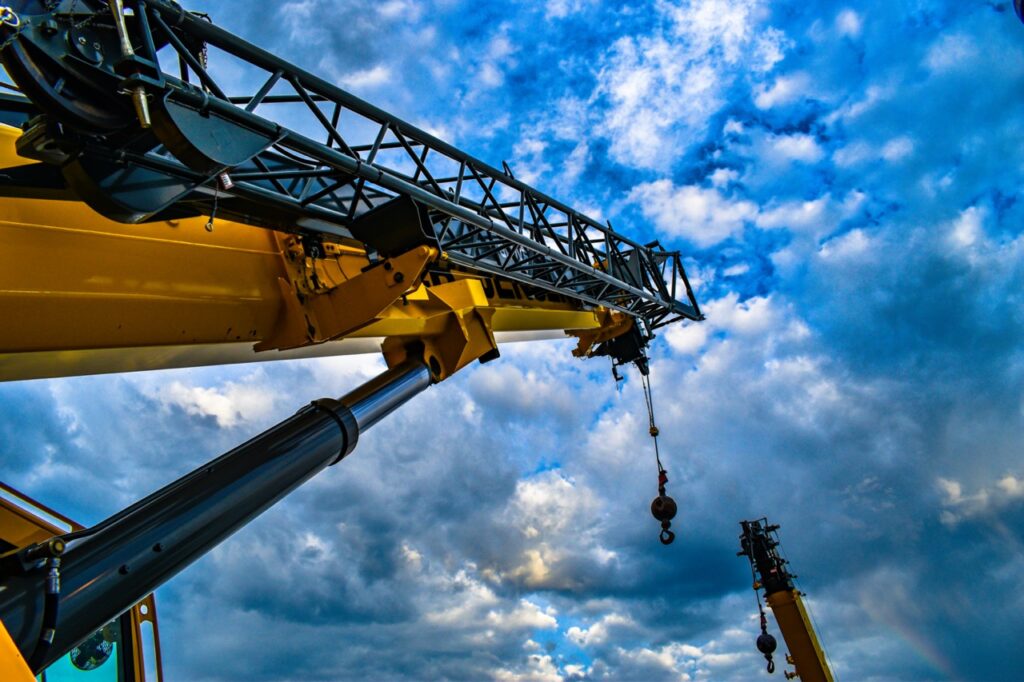
Crane headache balls help keep lines taut.
A crane headache ball is a weighted crane accessory used at the end of a hoist line. Its primary job is to add weight to the line so the wire rope stays taut during hoisting, lowering, and spooling.
Without enough line weight, the wire rope may not spool properly on the drum. It may also twist, loop, or behave unpredictably during operation. A properly selected overhaul ball helps keep the line under control and supports smoother crane operation.
The term “headache ball” is an industry nickname for an overhaul ball. While the name is informal, the equipment plays an important role in crane lifting applications.
What Are the Main Types of Crane Balls?
The main types of crane balls include overhaul hook balls and split overhaul balls. Overhaul hook balls add weight to the hoist line and include a hook for lifting. Split overhaul balls add ballast to the line but do not replace the lifting hook.
The right type depends on whether the application requires a lifting hook, added line weight, or both.
Overhaul Hook Balls
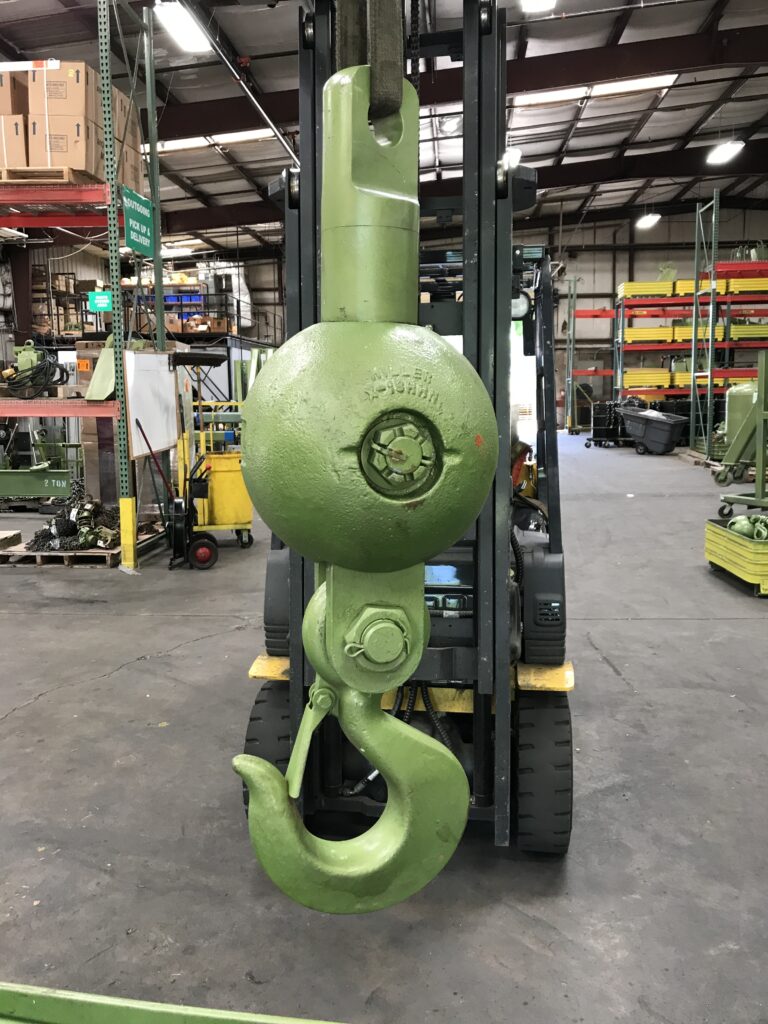
An eye hook crane headache ball rental from LGH.
An overhaul hook ball combines a weighted ball with a crane hook. This style adds the necessary weight to the crane line while also providing a hook for attaching rigging.
Overhaul hook balls are useful when the crane line needs both ballast and a load connection point. Depending on the model, they may include swivel top designs that help the ball and hook rotate independently of the wire rope.
LGH carries McKissick MB Eye Hook crane headache ball models in capacities ranging from 4 to 10 tons. LGH also carries the Miller Lifting Products HB13E eye hook crane headache ball, which has a 25-ton capacity and weighs 413 pounds.
Split Overhaul Balls
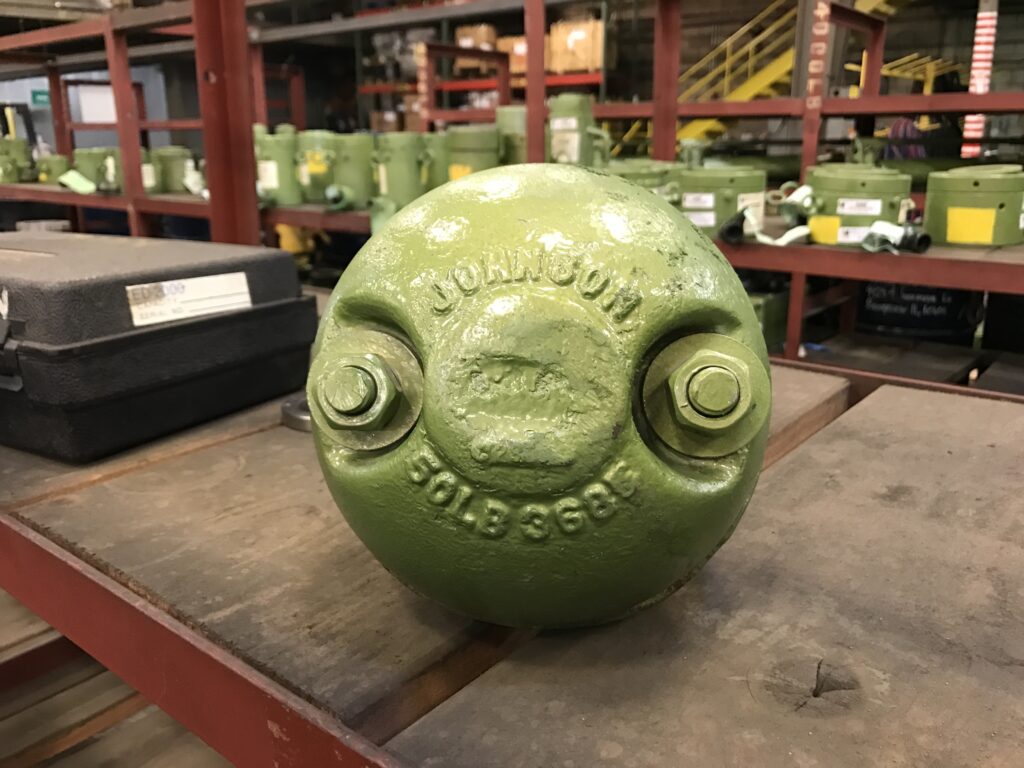
A split overhaul crane headache ball rental from LGH.
Split overhaul balls add ballast to the crane line without adding a hook. These balls typically use two halves that clamp around the wire rope using a bolt or ball-and-pin design.
Crews use split overhaul balls when the primary goal is to add weight to the line for stability, spooling, and line control. Depending on the setup, more than one split overhaul ball may be used when additional line weight is needed.
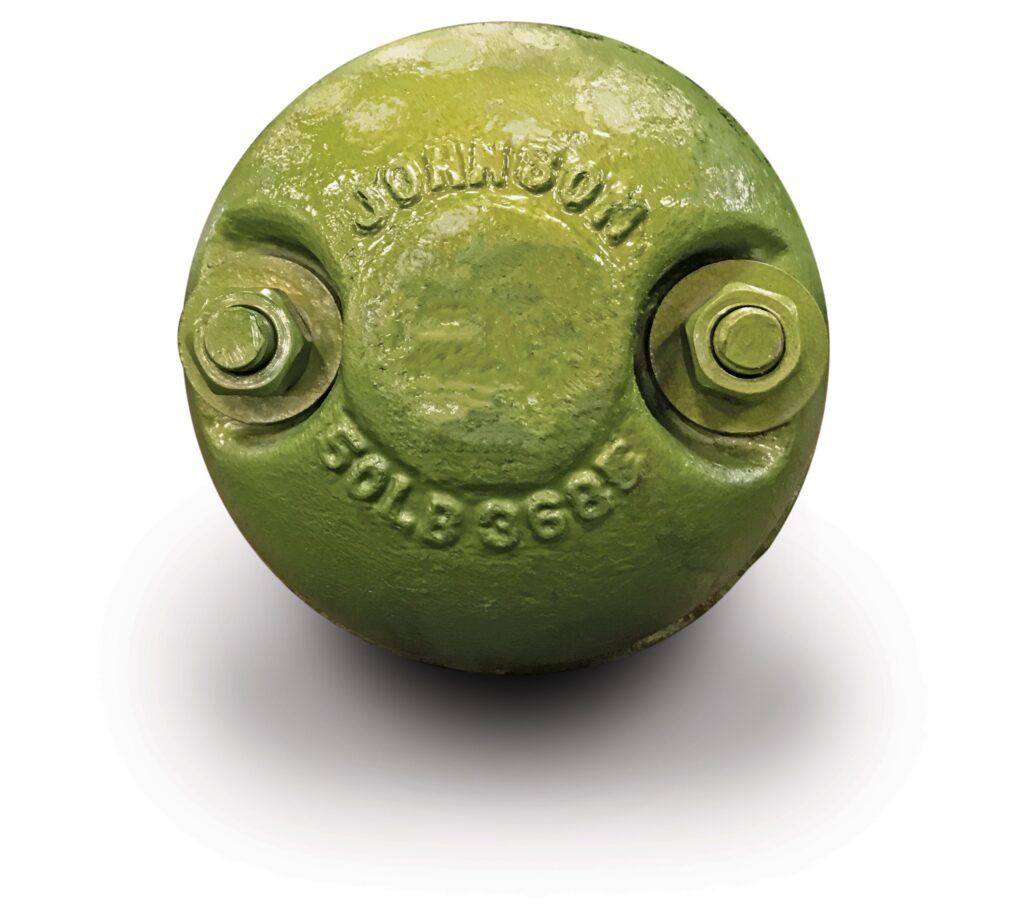
LGH carries McKissick SHB-50 and SHB-100 split headache ball models, which weigh 50 pounds and 100 pounds respectively. LGH also carries Gunnebo Johnson OB 85 Ball & Pin and OB 150 Ball & Pin models, which weigh 89 pounds and 154 pounds respectively.
How Do I Choose the Right Crane Hook Ball for My Crane?
To choose the right crane hook ball, start by confirming the crane, wire rope, hoist line setup, required ball weight, working load limit, hook style, connection type, and jobsite conditions. The ball must match the crane application and provide the correct balance of line weight, capacity, and functionality.
Before selecting a crane headache ball, consider:
- Crane type and hoist line configuration
- Required line weight
- Working load limit
- Whether the application needs a hook
- Whether the ball needs to swivel
- Wire rope size and compatibility
- Load weight
- Lift frequency
- Jobsite environment
- Identification tags and markings
- Inspection requirements
If the crane line only needs additional ballast, a split overhaul ball may be the right choice. If the application needs both ballast and a lifting hook, an overhaul hook ball may be more appropriate.
Swivel Top vs. Fixed Top Crane Hook Balls
Some crane hook balls include a swivel top that allows rotation between the ball assembly and the hoist line. This can help reduce twisting in the wire rope and improve versatility in lifting applications.
A swivel top crane hook ball may be useful when line rotation is a concern or when the lift requires more movement control. Fixed top hook balls may be suitable for less demanding applications where rope rotation is unlikely and load movement is limited.
LGH’s rental fleet focuses on crane headache ball options that support practical jobsite lifting needs, including split headache balls, ball-and-pin models, and eye hook crane headache balls.
Crane Headache Ball Rental Options from LGH
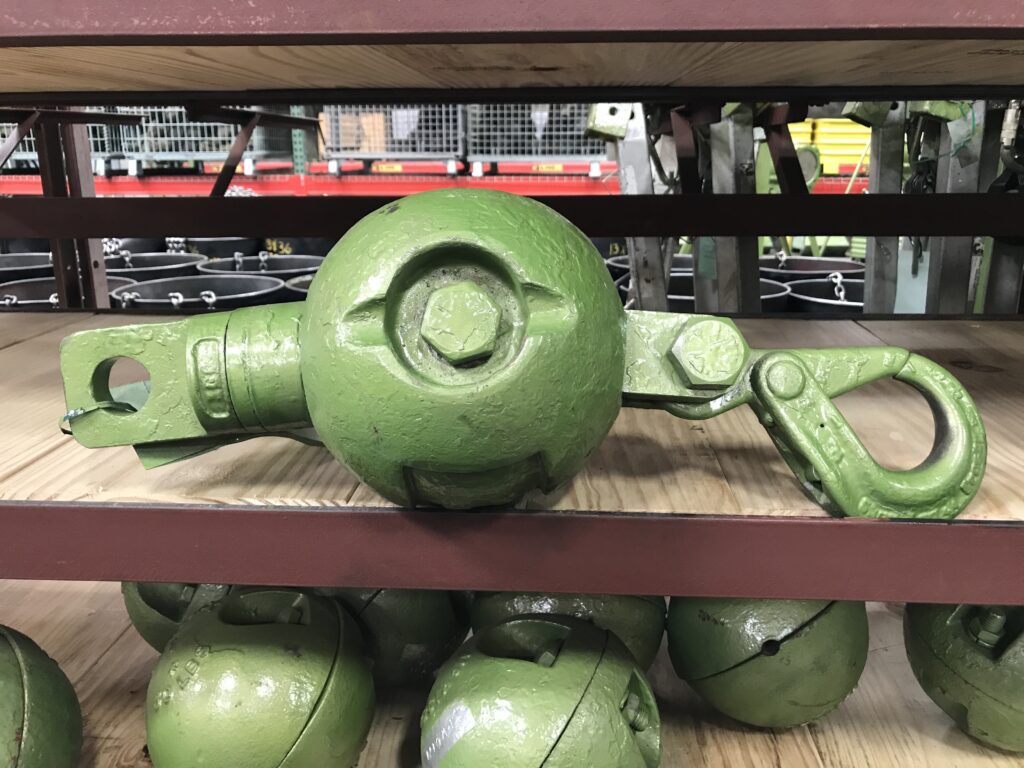
LGH offers multiple crane headache ball options for rent, including split headache balls, ball-and-pin models, and eye hook crane headache balls.
Available options include:
- McKissick SHB-50 split headache ball, 50 lb.
- McKissick SHB-100 split headache ball, 100 lb.
- Gunnebo Johnson OB 85 Ball & Pin, 89 lb.
- Gunnebo Johnson OB 150 Ball & Pin, 154 lb.
- McKissick MB Eye Hook crane headache balls, 4 to 10 ton capacities
- Miller Lifting Products HB13E eye hook crane headache ball, 25 ton capacity, 413 lb.
These options give crews flexibility based on the crane line, lifting requirements, and amount of weight needed at the end of the hoist rope.
Crane Headache Ball Safety Considerations
Crane headache balls must be selected, inspected, and used correctly. Before use, crews should confirm the working load limit, ball weight, identification tag, hook condition, latch condition, pins, fasteners, swivel components, and overall condition of the assembly.
Important safety reminders include:
- Do not use a crane headache ball without proper training.
- Do not overload the ball or hook assembly.
- Confirm that the load weight is within the rated capacity.
- Do not ride on the ball, hook, or load.
- Do not use an overhaul ball as a wrecking ball.
- Do not use an overhaul ball to drag a load.
- Do not allow the ball to two-block.
- Inspect the ball and related components before use.
- Remove damaged or questionable equipment from service.
- Confirm that rating and warning tags remain legible.
Crews should also inspect for worn, damaged, bent, cracked, corroded, or missing components. If any condition creates doubt about safe use, remove the crane headache ball from service.
When Should You Rent a Crane Headache Ball?
Crane headache ball rental makes sense when a project requires a specific ball weight, hook capacity, or overhaul ball style for a temporary crane application. Renting allows crews to access the right equipment without purchasing a specialized crane accessory that may only be needed for certain jobs.
A crane headache ball may be useful when:
- A single-line hoist rope needs added weight.
- A whip line requires proper ballast.
- The crane line needs better tension for spooling.
- The job requires an overhaul hook ball.
- The lift requires a specific hook ball capacity.
- The project needs certified, job-ready rental equipment.
LGH rental specialists can help match the right crane headache ball, overhaul hook ball, or split overhaul ball to your lifting application.
Conclusion
A crane headache ball plays an important role in crane lifting operations by adding weight to the hoist line, helping maintain line tension, and supporting proper wire rope spooling. Depending on the application, crews may need a split overhaul ball for ballast or an overhaul hook ball that provides both weight and a lifting hook.
Choosing the right crane hook ball starts with understanding the crane setup, required ball weight, working load limit, hook style, wire rope compatibility, and jobsite conditions. The right choice helps improve line control and supports safer, more efficient crane operation.
For help choosing the right crane headache ball, crane hook ball, or overhaul ball for your next project, contact LGH today or call 800-878-7305 to speak with a rental specialist.
LGH is North America’s largest single organization devoted exclusively to the provision of lifting and moving equipment for rent. LGH holds the most comprehensive inventory for hoisting, rigging, jacking, pulling, material handling, and safety equipment. With over 90,000 pieces, discover your next project solution at RentLGH.com.