What Are Air Skates? How Air Casters Help Move Heavy Equipment
Moving heavy equipment inside a facility is not always simple. Large machinery, fabricated structures, industrial components, and sensitive equipment often need to be relocated through tight spaces, around corners, or across finished floors. Forklifts, cranes, or traditional machinery dollies may not be the best fit.
That is where air skates can provide a smarter solution.
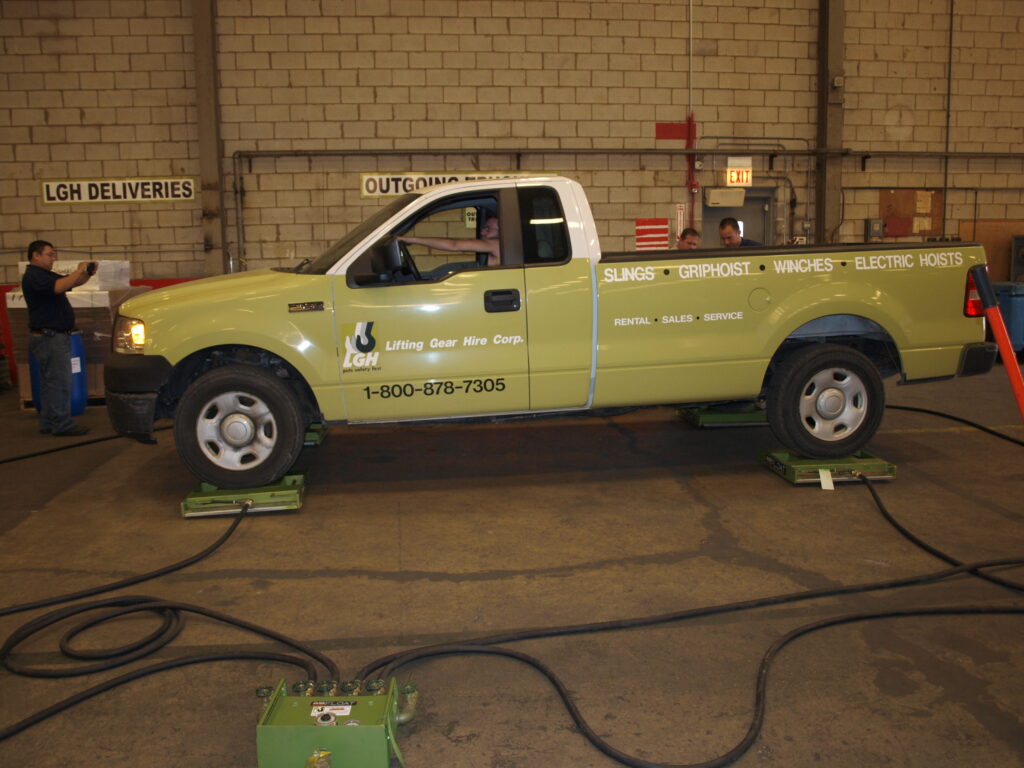
Airfloat air skate system for moving heavy equipment.
Air skates, also known as air casters, air skids, air caster skids, air dollies, or air bearing systems, are designed to move heavy loads with minimal friction. Instead of rolling the load on wheels or dragging it across the floor, air skates use compressed air to create a thin cushion of air beneath the load. This allows heavy equipment to “float” across the floor with smooth, controlled, omnidirectional movement.
At LGH, our Airfloat air skates are available for moving heavy machinery, industrial equipment, machine tools, and other large or sensitive loads. With system capacities ranging from 25,000 lbs. to 315,000 lbs., these air caster systems give contractors, riggers, and industrial crews a powerful option for moving heavy equipment safely and efficiently.
What Are Air Skates?
Air skates are low-profile material handling devices used to move heavy loads across a smooth, level surface. They are commonly used in industrial and commercial settings where crews need to move machinery, production equipment, large fabricated structures, or vibration-sensitive components.
Each air skate supports part of the load. When several air skates are placed beneath a piece of equipment and connected to a compressed air source, the system creates a nearly friction-free air bearing between the load and the floor.
This makes it possible to move heavy loads with far less force than traditional methods. Airfloat notes that, under the right conditions, a 1,000 lb. load can be moved with approximately 1 lb. of force.
For crews moving heavy equipment, that reduction in friction can make a major difference in safety, control, labor, and efficiency.
How Do Air Skates Work?
Air skates work similarly to an air hockey table or hovercraft.
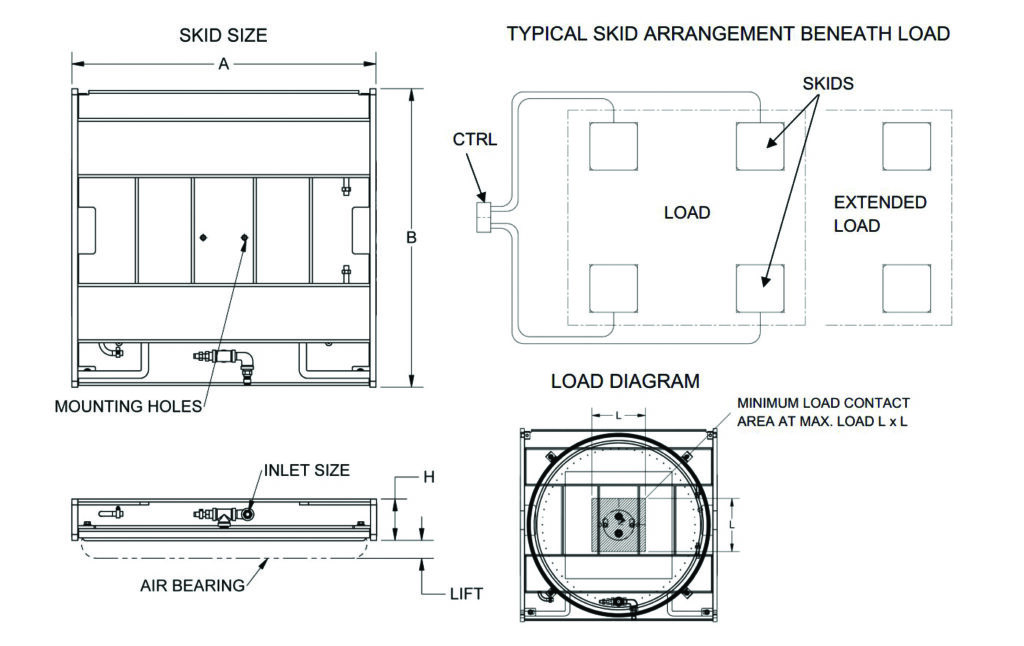
Each air skate includes a flexible diaphragm. When compressed air enters the system, the diaphragm inflates and forms a seal with the floor. As air continues to flow, it creates a thin film of air between the air skate and the floor surface. This film of air is called an air bearing.
Once the load is supported by the air bearing, friction is dramatically reduced. The equipment can then be pushed, rotated, or positioned with precise control.
The Airfloat air skates stocked by LGH use a 100% urethane diaphragm material designed for wear resistance. When pressurized, the diaphragm stretches uniformly and follows the contours of the floor to help maintain a consistent air film. This helps reduce drag forces and improve air efficiency.
Airfloat air skates also use a mechanically rolled edge seal for diaphragm attachment. The air bearing diaphragms are mounted onto slide-out steel trays, allowing the diaphragms to be removed for inspection or replacement without removing the load from the skates.
Each air skate system typically includes:
Four or six air skates
A control package with on/off valves
Individual flow control valves
Air hose assemblies with quick disconnects
This setup gives crews the ability to control airflow to each skate and adjust the system based on the load, configuration, and movement path.
Why Use Air Skates for Moving Heavy Equipment?
Air skates are especially useful when crews need to move heavy equipment with precision and minimal floor impact.
Traditional machinery dollies, rollers, gantries, or fork trucks can be effective in many situations, but they also have limitations. Wheels and rollers create more friction. Fork trucks and gantries can create concentrated point loading. Tight corners may require repeated stops, jacking, repositioning, and manual adjustments.
Air skates solve many of those challenges by allowing the load to move in any direction.
Because air skates are omnidirectional, the load can move forward, backward, sideways, or rotate in place. This makes air skates for moving equipment especially valuable in confined spaces, active facilities, manufacturing environments, and crowded plant floors.
Instead of stopping to reposition traditional skates before turning a corner, crews can make smooth directional changes while the load remains supported on the air bearing.
Common Air Skate Applications
Air skates are commonly used for industrial and heavy commercial projects where heavy loads must be moved across a controlled floor surface.
Common applications include:
Moving heavy machinery
Relocating machine tools
Positioning large fabricated structures
Moving vibration-sensitive equipment
Transferring production equipment
Moving components in manufacturing facilities
Unloading or positioning large vessels
Relocating equipment in tight or confined spaces
Supporting heavy-haul and rigging applications inside facilities
Mechanical contractors, riggers, manufacturers, and plant maintenance teams often use air skates when they need to move heavy or delicate equipment without relying on forklifts or overhead cranes.
Air skates for moving machinery can also be helpful when floor bearing pressure is a concern. Since the effective area of an air bearing is larger than many traditional moving methods, the actual floor pressure is often lower. This helps spread the load over a wider surface area and can reduce the risk of floor damage when used on the right surface.
Key Benefits of Air Skates
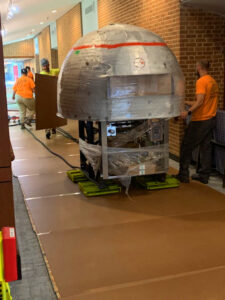
An Airfloat Air Skate rental from LGH.
1. Nearly Friction-Free Movement
The biggest advantage of air skates is the reduction in friction. Once the load is floating on a thin cushion of air, it can be moved with much less force than equipment resting on wheels or rollers.
This can help reduce physical strain on crews, improve control, and make difficult moves more manageable.
2. 360-Degree Maneuverability
Air caster skids allow loads to move in any direction. Crews can move straight, slide sideways, rotate, or make small positioning adjustments without reconfiguring the entire setup.
This is especially useful in tight spaces where forklifts, cranes, or traditional machinery skates may not have enough room to operate efficiently.
3. Precision Positioning
When equipment needs to be placed accurately, air skates provide excellent control. This makes them useful for machinery installation, equipment alignment, and production floor layout changes.
Instead of fighting friction or repositioning rollers repeatedly, crews can make controlled adjustments while the load remains supported.
4. Reduced Floor Impact
Air skates spread the load across a larger bearing area than many traditional moving methods. This helps reduce concentrated point loading and can make them a strong option for facilities where floor protection matters.
Proper floor conditions are still important, but air skates can be less impactful on suitable floors than some other moving methods.
5. Flexible Configurations
Air skates can be spaced in different configurations depending on the size, shape, footprint, and center of gravity of the load.
They can be placed under existing equipment or, in some cases, bolted to a structure for repeat movement. This flexibility makes airfloat systems useful across a wide range of industrial moves.
6. Minimal Maintenance
Air skates have no moving parts, which helps reduce maintenance requirements. Airfloat’s slide-out tray design also allows diaphragms to be inspected or replaced without removing the load from the skates.
For contractors and rental users, that simplicity is a major benefit.
Important Considerations Before Using Air Skates
Air skates are extremely useful, but they are not the right solution for every jobsite or facility. Before using air skates for moving heavy equipment, crews should evaluate the load, floor surface, air supply, and movement path.
• Load Weight and Center of Gravity
Before selecting an air caster system, it is important to know the total weight of the load, the center of gravity, and the equipment footprint.
Uneven weight distribution can cause one or more skates to carry more load than expected. The system should be sized and configured to account for the heaviest expected load points.
• Floor Conditions
Air skates work best on smooth, clean, level, and non-porous surfaces. Most machine-troweled concrete floors are suitable, but cracks, gaps, rough surfaces, debris, porous flooring, or uneven transitions can affect performance.
The air bearing must maintain a consistent cushion of air. If the floor surface interrupts that air film, the system may not lift or move as smoothly.
• Air Supply
A stable supply of clean, dry compressed air is critical. The system needs enough airflow and pressure to support the load and maintain the air bearing throughout the move.
Undersized compressors, leaking hoses, moisture in the air supply, or pressure loss can all affect performance.
• Transitions and Move Path
Before the move begins, crews should review the entire route. Door thresholds, floor joints, ramps, cracks, slopes, and sudden height changes can create challenges for air skates.
Planning the movement path ahead of time helps crews identify potential issues and determine whether plates, ramps, or other surface preparations are needed.
Air Skates vs. Traditional Machinery Dollies
Traditional machinery dollies and rollers can be useful for many moves, but they are not always ideal for heavy, sensitive, or complex equipment relocation.
With traditional skates, changing direction may require crews to stop, jack up the load, rotate the skates, and then continue the move. This can add time, labor, and risk, especially in tight spaces.
Air skates allow the load to move in any direction without the same manual repositioning process. For complex moves involving tight corners, narrow routes, or precise final placement, air skates can provide a major efficiency advantage.
They can also reduce floor impact compared to point-loading methods such as fork trucks or certain gantry setups, depending on the application and floor conditions.
Why Rent Air Skates from LGH?
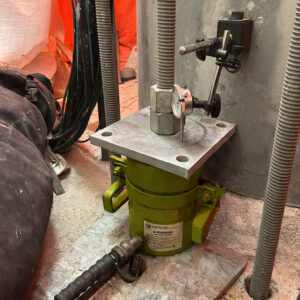
OLYMPUS DIGITAL CAMERA
LGH provides Airfloat air skates for moving heavy equipment, machinery, and industrial loads where low-friction movement and precise control are important.
Our air skate systems are available in capacities from 25,000 lbs. to 315,000 lbs., giving crews options for a wide range of industrial and commercial applications.
Whether you are relocating machinery, positioning a large fabricated structure, moving vibration-sensitive equipment, or navigating a tight facility layout, LGH can help you find the right air skate rental solution for your project.
Every job is different. Our team can help you evaluate the load, movement path, floor conditions, and equipment needs so you can approach the move with greater confidence.
Conclusion
Air skates are one of the most effective solutions for moving heavy machinery and equipment across suitable floor surfaces.
By using compressed air to create a thin air bearing beneath the load, air skates reduce friction, improve maneuverability, and allow heavy equipment to move with impressive precision.
For riggers, mechanical contractors, manufacturers, and industrial crews, air skates provide a flexible alternative to traditional moving methods when control, efficiency, and floor protection matter.
Interested in learning more about renting from LGH? Contact us today.
LGH is North America’s largest single organization devoted exclusively to the provision of lifting and moving equipment for rent. LGH holds the most comprehensive inventory for hoisting, rigging, jacking, pulling, material handling, and safety equipment. With over 90,000 pieces of equipment, discover your next project solution at RentLGH.com.