Rigger Requirements: What Makes a Qualified Rigger?
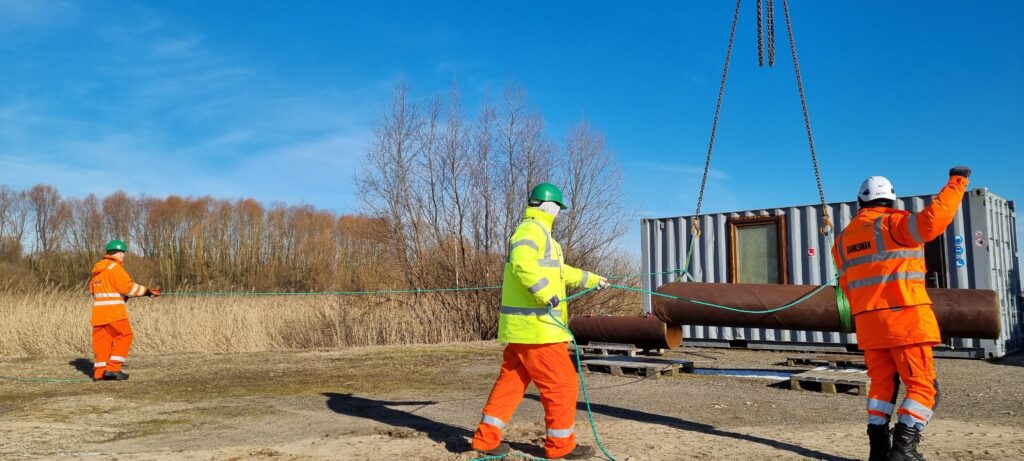
Safe lifting starts long before the load leaves the ground. Every lift requires the right equipment, a sound lift plan, and personnel who understand how to rig the load correctly. That is why rigger requirements are an important part of jobsite safety and compliance.
A rigger is responsible for attaching, securing, and preparing a load so it can be lifted, moved, or positioned safely. Depending on the lift, that work may involve slings, shackles, hooks, hoists, cranes, spreader beams, lifting beams, and other rigging equipment.
But not every worker who handles rigging gear is automatically considered qualified for every lift. Rigger requirements depend on the task, the equipment, the load, the hazards involved, and the employer’s determination that the person has the knowledge, training, and experience needed for the specific job.
What Is a Rigger?
A rigger is a trained worker who prepares a load for lifting, moving, or positioning. Riggers are responsible for selecting and using rigging equipment, attaching the load properly, considering the load’s weight and center of gravity, and helping ensure the load remains stable during the lift.
Riggers may work with cranes, hoists, slings, shackles, hooks, lifting beams, spreader beams, and other lifting or rigging equipment. In many lifts, the rigger serves as the connection between the load, the lifting equipment, and the crane or hoist operator.
A rigger’s responsibilities may include:
- Determining or confirming load weight
- Identifying the load’s center of gravity
- Selecting proper slings, hitches, and rigging hardware
- Inspecting rigging equipment before use
- Attaching and securing the load
- Understanding sling angles and load tension
- Communicating with operators and signal persons
- Recognizing hazards before and during the lift
What Is a Qualified Rigger?

A qualified rigger is a rigger who has the knowledge, training, and experience needed to perform the rigging task safely. Qualification is based on the specific work being performed, not just a general job title.
In practical terms, a qualified rigger must understand the equipment, load, hitch, environment, and hazards involved in the lift. A person may be qualified for one type of rigging task but not another if the load, equipment, or lift conditions are more complex.
For example, a worker may be qualified to rig standard loads with known weights and simple pick points, but may not be qualified for an unstable load, a critical lift, a multi-crane lift, or a lift involving unusual center-of-gravity concerns.
Qualified Rigger vs. Certified Rigger
One of the most common misunderstandings about rigger requirements is the difference between being qualified and being certified.
- A qualified rigger is someone the employer has determined can perform the specific rigging task safely based on training, knowledge, experience, and demonstrated ability.
- A certified rigger is someone who has passed a formal written and practical exam through a recognized certification program.
Certification can be a valuable way to document rigging knowledge and skills, but certification alone does not automatically mean a person is qualified for every lift. The employer must still make sure the rigger is competent for the specific task, equipment, and jobsite conditions.
A Note on OSHA and ASME Requirements
OSHA and ASME standards both play an important role in lifting and rigging safety. OSHA defines a qualified rigger as a rigger who meets the criteria for a qualified person, while ASME standards provide additional guidance for crane and rigging operations.
Because rigger requirements can depend on the type of crane, industry, lift conditions, and jobsite hazards, employers should review the applicable OSHA regulations, ASME standards, manufacturer instructions, and company safety policies before assigning rigging personnel.
Employer Responsibilities for Rigger Requirements

Employers play a central role in determining whether a rigger is qualified for a specific task. A rigger’s qualifications should be based on more than a job title or years of experience.
Employers should consider:
- Rigging training
- Practical experience
- Written or practical test results
- Familiarity with the equipment being used
- Ability to inspect rigging gear
- Understanding of load weight, center of gravity, and sling angles
- Ability to recognize hazards
- Performance on similar lifts
- Documentation of qualifications or certifications
The designation should be task-specific. A rigger may be qualified for routine lifts but may need additional training, supervision, or evaluation before handling more complex rigging scenarios.
When Is a Qualified Rigger Needed?
Qualified riggers may be required or necessary in many lifting and rigging situations, especially when workers are connecting, disconnecting, guiding, or preparing loads for lifting. OSHA’s crane and derrick rules define a qualified rigger as a rigger who meets the criteria for a qualified person, and OSHA guidance emphasizes that the person must be able to rig the load properly for the particular job.
Qualified riggers are especially important when:
- Loads are heavy, awkward, or unstable
- The center of gravity is difficult to determine
- Multiple pick points are required
- Sling angles or load tension must be calculated
- Workers are in or near the fall zone
- A mobile crane or hoist is being used
- The lift involves specialized rigging equipment
- The jobsite has limited access or other hazards
Because requirements can vary by standard, industry, equipment type, and jobsite conditions, employers should review applicable OSHA standards, ASME standards, manufacturer instructions, and company safety policies before assigning rigging personnel.
How to Meet Rigger Requirements on the Jobsite
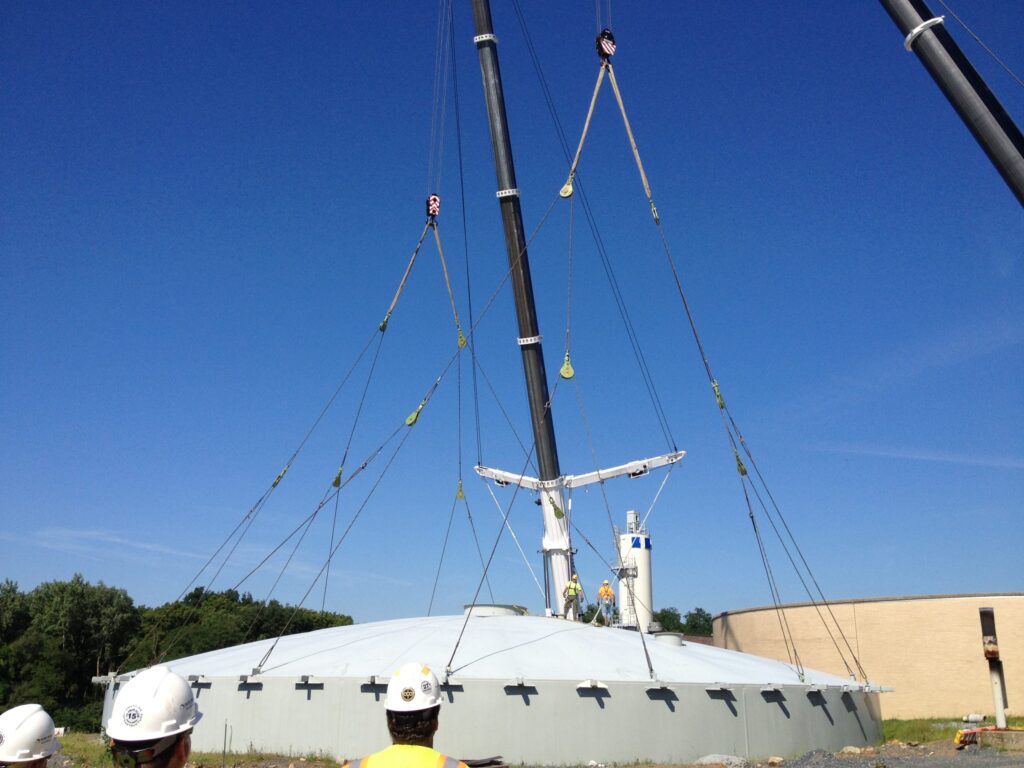
To help meet rigger requirements, employers should establish a clear process for training, evaluating, documenting, and assigning rigging personnel. A strong qualification process should account for both formal instruction and real-world performance.
Best practices include:
- Provide rigging training based on the work being performed.
- Verify that riggers understand sling types, hitch types, rigging hardware, load control, and equipment inspection.
- Consider certifications from nationally recognized organizations such as NCCCO or NCCER.
- Evaluate riggers through practical demonstrations, not just classroom instruction.
- Empower supervisors to assess rigging personnel based on training, experience, test results, and actual performance.
- Document each rigger’s training, certifications, experience, credentials, and job-specific assignments.
- Match the rigger’s qualifications to the specific lift.
- Reevaluate qualifications when equipment, lift complexity, job duties, or site conditions change.
- Remove unqualified personnel from rigging tasks until they receive proper training, supervision, or evaluation.
A documented qualification process helps protect workers, reduce equipment damage, support compliance, and improve lift planning.
Conclusion
Rigger requirements are an essential part of safe lifting and rigging operations. A qualified rigger must have the training, knowledge, experience, and demonstrated ability to rig the load properly for the specific job. Certification can support that process, but employers must still determine whether the rigger is qualified for the actual lift being performed.
Because every lift is different, rigger qualification should be task-specific. Load weight, center of gravity, sling angles, rigging hardware, equipment type, jobsite conditions, and lift complexity all affect the level of knowledge and skill required.
For help selecting certified lifting and rigging equipment for your next project, call LGH at 800-878-7305 or contact your local LGH representative.
LGH is North America’s largest single organization devoted exclusively to the provision of lifting and moving equipment for rent. LGH holds the most comprehensive inventory for hoisting, rigging, jacking, pulling, material handling, and safety equipment. With over 90,000 pieces, discover your next project solution at RentLGH.com.