Shackles for Rigging: Facts Every Rigger Should Know
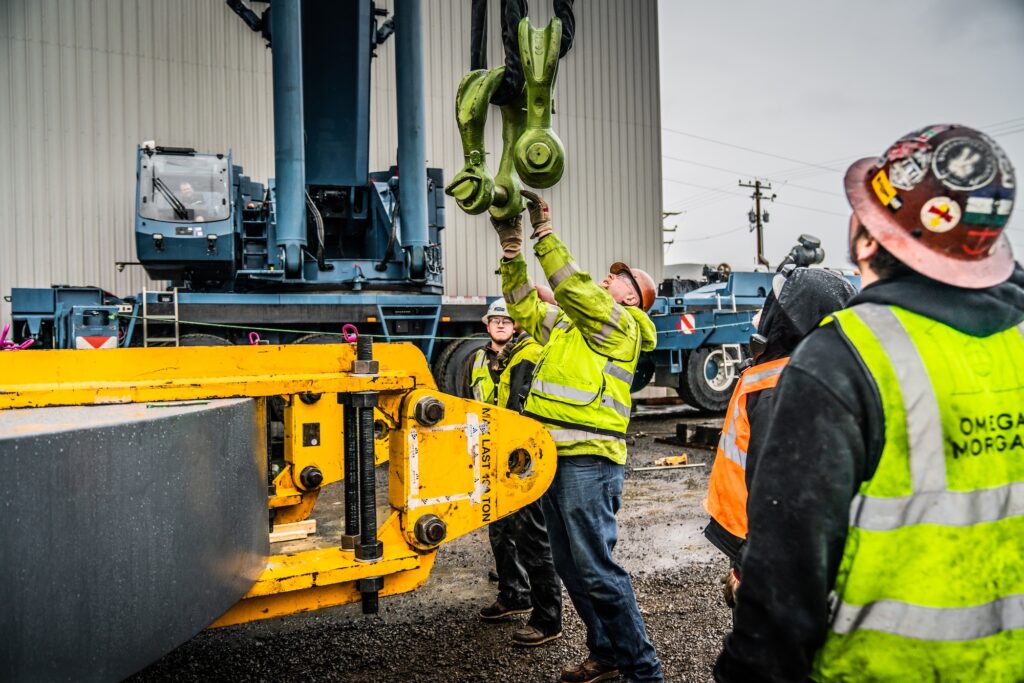
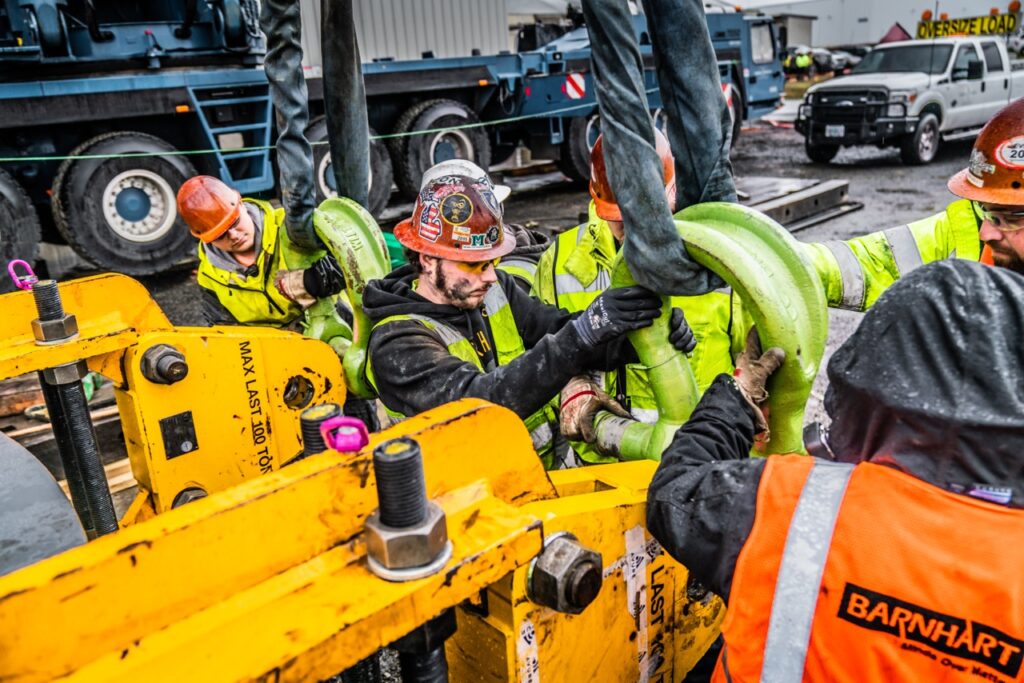
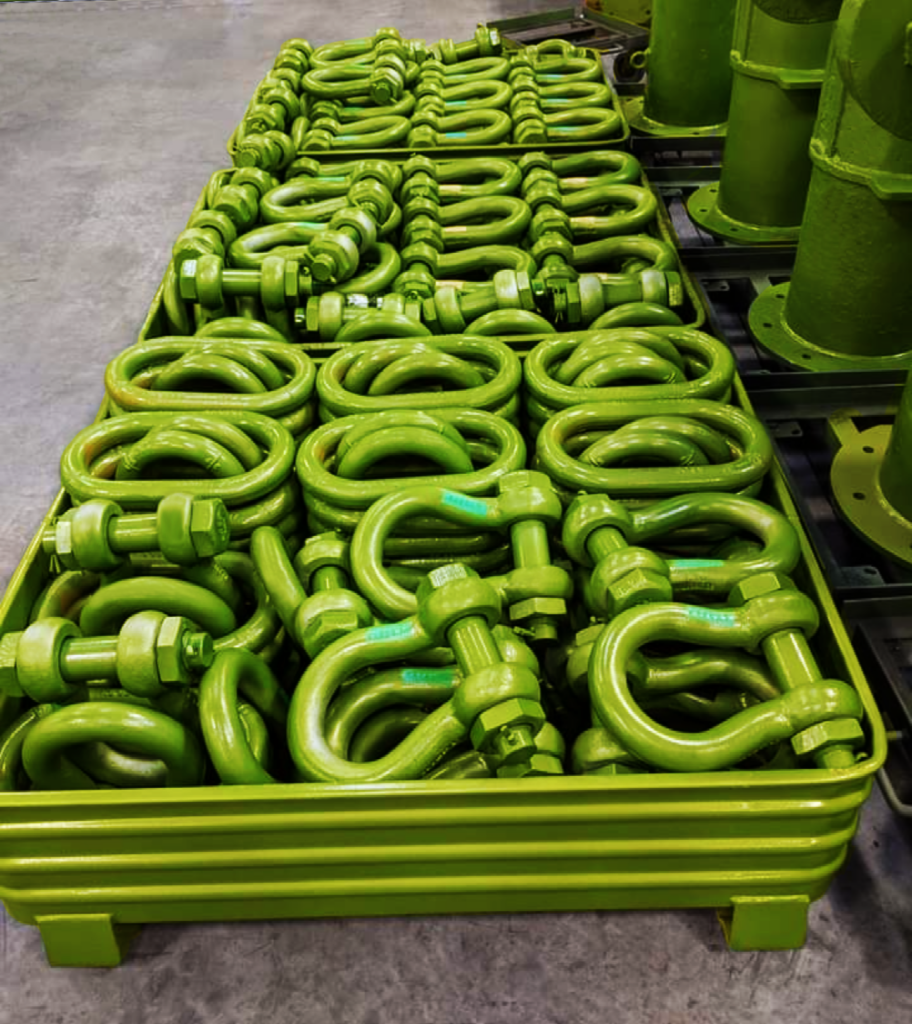
Shackle from LGH.
Shackles for rigging may not be the flashiest piece of lifting equipment, but they are essential on many jobsites. These small but important components help connect slings, hooks, lifting points, hoists, beams, and other rigging hardware throughout a lifting setup.
Because shackles are used so often, it can be easy to overlook the details that matter. Shackle markings, material, proof testing, bow design, pin style, sling compatibility, and certification requirements all affect how a shackle should be selected and used.
In this blog post, we’ll review useful shackle facts that every rigger, site supervisor, and safety professional should understand before choosing shackles for rigging applications.
What Are Shackles Used for in Rigging?
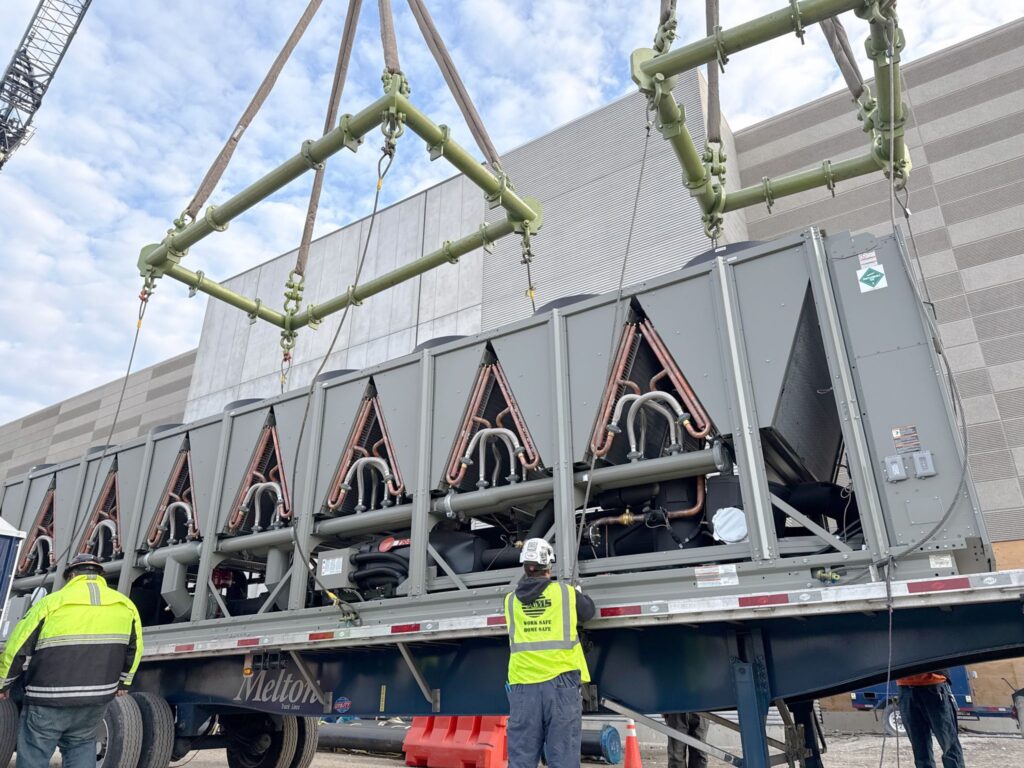
Shackles and polyester round slings are vital pieces of below-the-hook rigging for this generator lift at a data center.
Shackles are used as connecting links in lifting and rigging assemblies. They can connect slings to lifting points, hooks to rigging hardware, spreader beams to sling assemblies, or other components in a lift.
Common applications include:
Connecting wire rope slings
Connecting synthetic web slings
Connecting polyester round slings
Connecting hoists or hooks to rigging hardware
Connecting lifting beams or spreader beams
Supporting heavy lift rigging assemblies
Creating removable connections in temporary lifting setups
The right shackle depends on the load, rigging configuration, sling type, connection point, pin style, working load limit, and jobsite requirements.
Shackle Ratings Are Marked on the Bow
Shackle ratings are marked on the bow of the shackle.
One of the most important shackle facts is that the rating is marked directly on the bow. For many heavy-lift shackles, ratings are shown in metric tons and embossed on the side of the bow.
These markings help riggers identify the shackle’s working load limit and confirm that the shackle matches the application.
Before use, crews should check that the markings are readable and that the shackle rating is appropriate for the lift. If the markings are missing, damaged, or illegible, the shackle should not be used.
Shackles Are Proof Tested
Proof testing is an important part of shackle manufacturing and certification. Shackles 300 tons and smaller are proof tested to 2 times the working load limit, while shackles 400 tons and larger are tested to 1.33 times the working load limit.
Proof testing helps verify that the shackle performs as intended before it is placed into service.
Some heavy-lift shackles are also individually proof-tested and magnetic particle inspected. Crosby certification may be available at the time of order depending on the shackle and project requirements.
Shackles Can Improve Sling Bearing Surface
Shackles do more than connect rigging components. In some applications, the bow radius can affect sling performance.
An increased shackle bow radius can provide a minimum 58% gain in sling bearing surface and eliminate the need for a thimble in certain applications. It also notes that this can increase usable sling strength by a minimum of 15%.
This matters because the bearing surface affects how the sling contacts the shackle. A larger bearing surface can help distribute the load more effectively and reduce harsh bending at the connection point.
The correct shackle still depends on the sling type, sling size, load, hitch, and manufacturer guidance.
Shackles Can Be Used with Different Sling Types
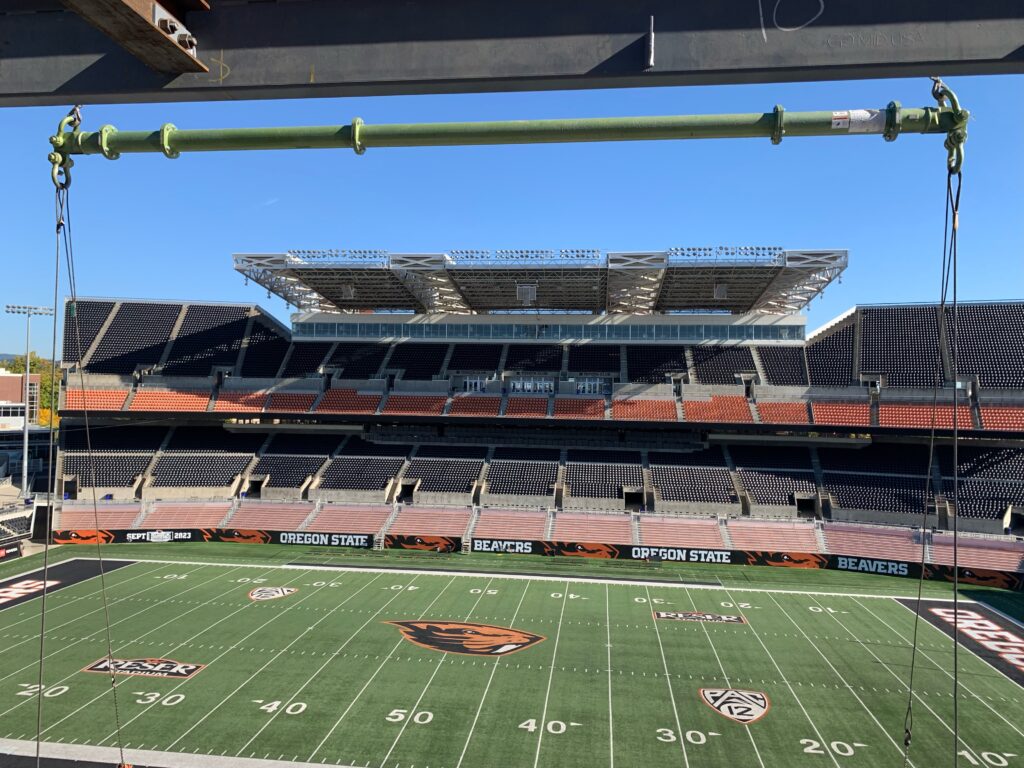
At this Oregon stadium lift, shackles support the wire rope slings connected to a modular spreader bar.
Shackles for rigging can be used with several sling types when properly selected and rated.
Common sling connections include:
Wire rope slings
High-strength synthetic web slings
High-strength synthetic round slings
Polyester round slings
Heavy lift sling assemblies
Because each sling type interacts with hardware differently, crews should confirm that the shackle size, bow shape, pin style, and working load limit match the sling and application.
Material and Construction Matter
Not all shackles are built the same. Certain heavy-lift shackles are forged alloy steel from 30 through 300 metric tons and cast alloy steel from 400 through 1,000 metric tons.
Shackles are quenched and tempered for maximum strength. This heat treatment process helps improve the mechanical properties of the steel and supports the shackle’s performance in demanding lifting applications.
Material, manufacturing method, and heat treatment all matter when shackles are used for critical rigging connections.
Shackle Pins Are Important
The pin is just as important as the bow. A damaged, mismatched, or improperly installed pin can compromise the connection.
Some larger shackles include non-rotating pins with welded handles for easier use. This applies to 300-ton and larger shackles.
Pins may also be finished or painted for identification and corrosion protection. Bows and pins are dimetcoted, with pins dimetcoted and then painted red.
Before use, crews should confirm that the correct pin is installed and that it is fully seated and secured according to the manufacturer’s instructions. You learn more about various shackle types in our YouTube video “Rigging Shackles 101” below!
Certifications May Be Required
Some projects require additional shackle certifications. Shackles requiring ABS, DNV, Lloyds, and other certifications are available upon special request and must be specified at the time of order.
Certification requirements may depend on the industry, owner specifications, project requirements, lift plan, or regulatory environment.
Examples of certification-related requirements may include:
Non-destructive testing
Serialization or identification
Material testing
Physical, chemical, or Charpy testing
Proof testing
Certified lifting appliance requirements
If a project requires specific documentation, crews should confirm those requirements before ordering or renting rigging equipment.
ASME B30.26 and Shackle Requirements
Crosby products meet or exceed the requirements of ASME B30.26, including identification, ductility, design factor, proof load, and temperature requirements.
Crosby products meet additional performance requirements such as fatigue life, impact properties, and material traceability, which are not addressed by ASME B30.26.
For rigging teams, this reinforces the importance of using shackles from trusted manufacturers and verifying that the equipment meets the requirements of the application. You can check out LGH’s massive inventory of Crosby shackle rentals here.
How to Choose Shackles for Rigging
Choosing the right shackle starts with the full rigging setup. The shackle must match the load, sling, connection point, and lift configuration.
Shackles should be inspected before use. Even a properly rated shackle should not be used if it is damaged, deformed, or missing required markings.
During inspection, look for:
Missing or illegible markings
Bent or distorted bow
Damaged pin
Mismatched pin
Cracks
Excessive wear
Gouges or deformation
Corrosion
Thread damage
Evidence of heat damage
Signs of improper loading
If a shackle appears damaged or questionable, remove it from service and have it reviewed before use. Read our blog post about the do’s and don’ts of using shackles to learn more. You can also watch our YouTube video “Shackle Safety 101: Do’s & Don’ts for Safe Rigging” below.
Rent Shackles for Rigging from LGH
LGH rents shackles and other rigging equipment for lifting applications across construction, industrial maintenance, utilities, manufacturing, infrastructure, marine, and heavy-lift projects.
Our rental specialists can help review your load weight, sling type, connection points, rigging configuration, and documentation needs to determine the right shackle for the application.
Whether your project requires shackles for rigging, wire rope sling shackles, synthetic sling shackles, heavy lift shackles, or other rigging hardware, LGH can help match the right rental equipment to the job.
Conclusion
Shackles may be small compared to cranes, hoists, beams, and slings, but their role in rigging is critical. The right shackle helps create a strong, removable connection between rigging components, while the wrong shackle can create unnecessary risk.
Understanding shackle markings, proof testing, bow radius, sling compatibility, pin style, certifications, and inspection requirements can help crews make better rigging decisions.
For help choosing shackles for rigging or other lifting equipment for your next project, contact LGH today or call 800-878-7305 to speak with a rental specialist.
Frequently Asked Questions About Shackles for Rigging
What are shackles used for in rigging?
Shackles are used to connect slings, hooks, hoists, lifting beams, spreader beams, and other rigging hardware in a lifting assembly.
What markings should you look for on a shackle?
Crews should look for readable markings such as the working load limit, size, manufacturer identification, and other required markings. If markings are missing or illegible, the shackle should not be used.
Are shackles proof tested?
Yes, shackles used for lifting are typically proof tested according to manufacturer and applicable standard requirements. Shackles of 300 tons and smaller are proof tested to 2 times the working load limit, while shackles of 400 tons and larger are tested to 1.33 times the working load limit.
Can shackles be used with synthetic slings?
Yes, shackles can be used with synthetic web slings and polyester round slings when the shackle is properly sized, rated, and compatible with the sling and application.
Can shackles be used with wire rope slings?
Yes, shackles are commonly used with wire rope slings. The shackle size, bow radius, pin style, and working load limit should be matched to the sling and rigging configuration.
Why does shackle bow radius matter?
A larger bow radius can provide more bearing surface for the sling. This can help distribute load more effectively and reduce harsh bending at the connection point.
What certifications may be required for shackles?
Some projects may require ABS, DNV, Lloyds, or other certifications. These requirements should be specified at the time of order or rental.
When should a shackle be removed from service?
A shackle should be removed from service if it has missing markings, deformation, cracks, excessive wear, corrosion, thread damage, pin damage, or any condition that raises doubt about safe use.
LGH is North America’s largest single organization devoted exclusively to the provision of lifting and moving equipment for rent. LGH holds the most comprehensive inventory for hoisting, rigging, jacking, pulling, material handling, and safety equipment. With over 90,000 pieces, discover your next project solution at RentLGH.com.