LGH Blog

Category: Rigging Tips and Techniques

Blog post cover graphic about common misuses of chain comealong tools.

Chain Come Along Safety: Common Lever Hoist Misuses to Avoid

Chain Come Along Safety: Common Misuses and How to Prevent Them Chain come alongs, commonly known as lever hoists, are among the most versatile lifting and pulling tools used across construction, maintenance, industrial, and mechanical projects. Their compact design, precise load control, and ability to perform horizontal, vertical, or angled pulls make them an essential […]

Read More

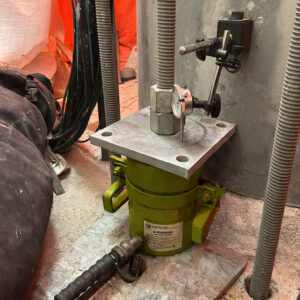
Lock Nut Hydraulic Cylinders: Common Mistakes and Best Practices

Lock Nut Hydraulic Cylinders: Common Mistakes and Best Practices Lock nut hydraulic cylinders are used for heavy lifting applications where a load needs to be raised and mechanically held for an extended period. These cylinders are commonly used in bridge work, foundation repairs, heavy equipment lifting, structural support, industrial maintenance, and other projects where controlled […]

Read More

The 12 Sling Commandments: Essential Rules for Safe Lifting

The 12 Sling Commandments: Essential Rules for Safe Lifting At LGH, safety isn’t just a priority—it drives every lift we support. Whether you’re rigging up a round sling or moving critical loads with synthetic or wire rope slings, following the fundamentals matters. The lifting sling you choose—and how you use it—can make or break the […]

Read More
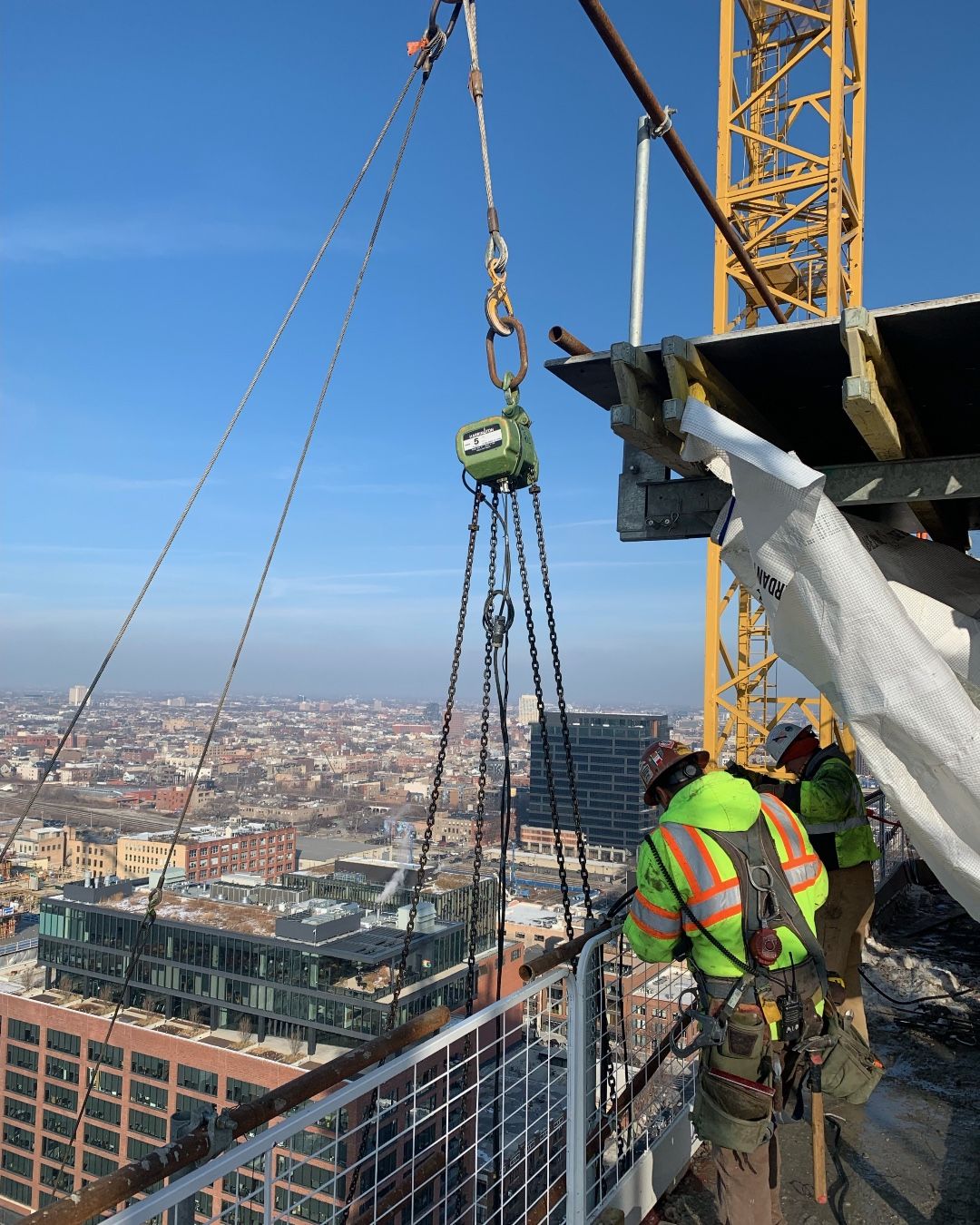
Jobsite photo of a 5 ton electric chain hoist with a construction worker on a platform.

Hoist Safety: Do’s and Don’ts for Safer Hoist Operation

Hoist Safety: Do’s and Don’ts for Safer Hoist Operation   Hoist safety starts before the load leaves the ground. Whether crews are using a hand chain hoist, lever hoist, electric chain hoist, air chain hoist, or another type of hoisting equipment, basic operating practices help reduce equipment issues and support a safer lift. A hoist […]

Read More

How to Use a Beta Max Electric Cable Hoist Safely

Never get complacent or lax in following operating and hoist safety procedures. Almost two-thirds of accidents, 74 percent, happen during routine operations!

Read More
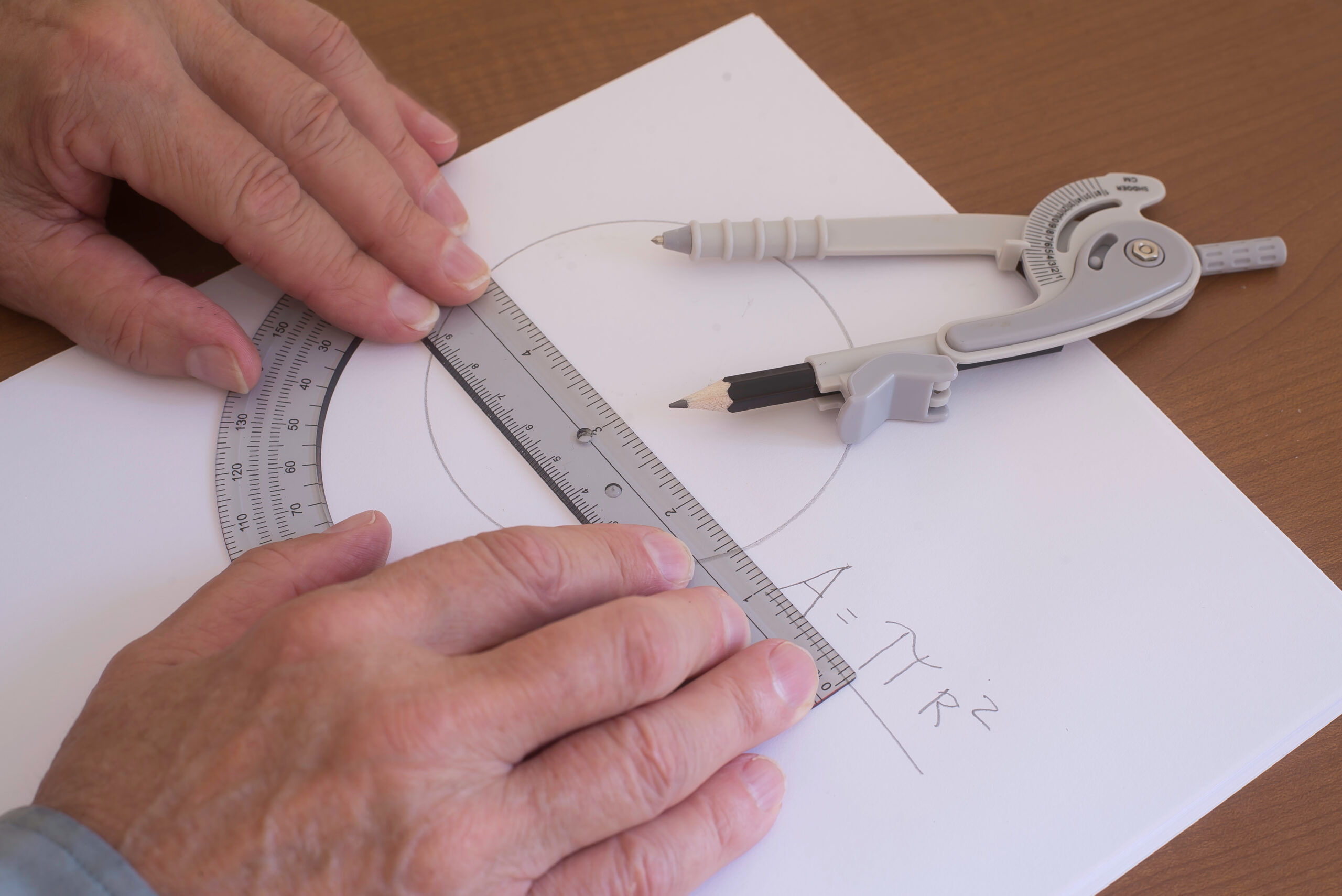
Mathematician demonstrate how to determine the area of a circle.

Load Weight Formula: How to Estimate Load Weight for Lifting

Load Weight Formula: How to Estimate Load Weight for Lifting Before any lift begins, crews need to understand what they are lifting. Estimating the weight of a load is one of the first steps in lift planning because load weight affects the crane, hoist, rigging hardware, sling selection, load monitoring equipment, and overall lifting method. […]

Read More
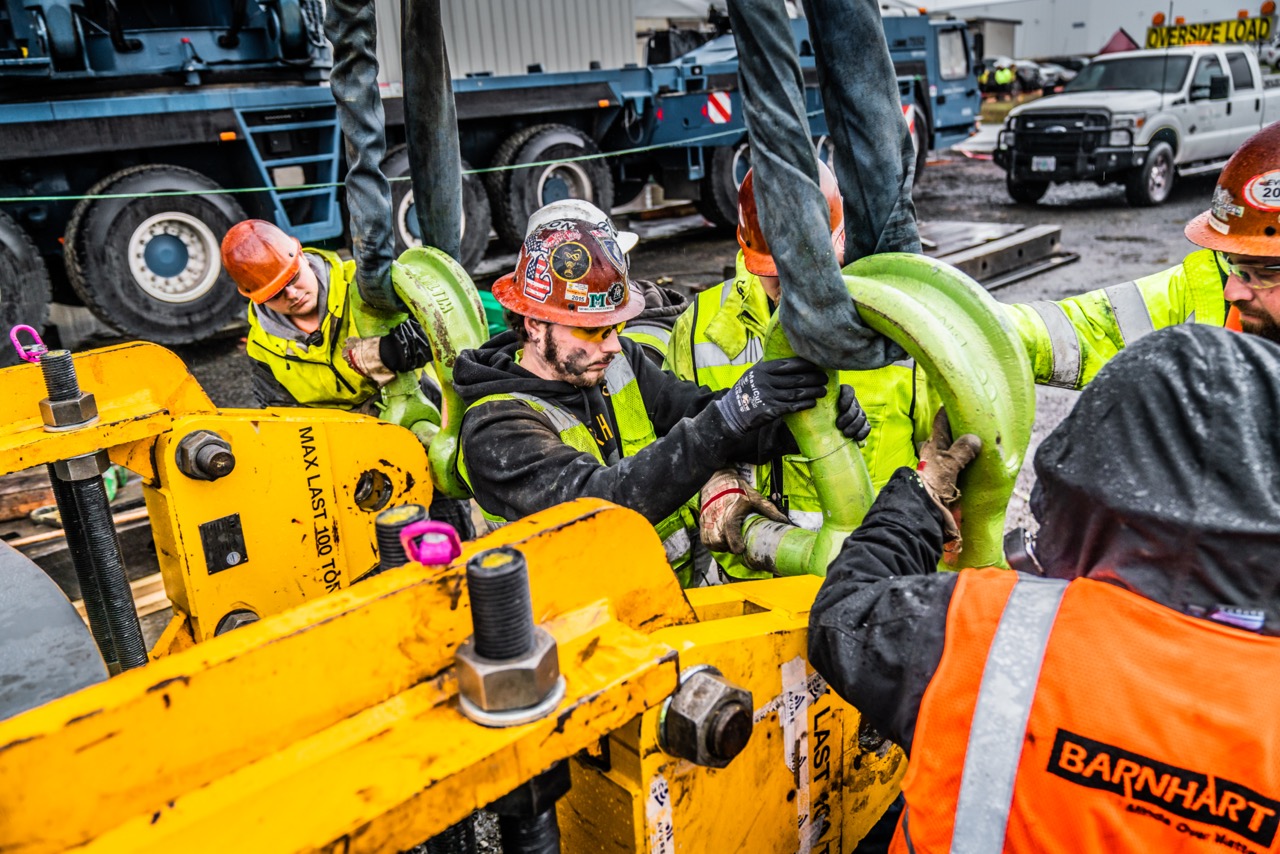
Construction workers attaching a large polyester round rigging sling to a shackle from LGH.

Rigging Slings: Wire Rope Slings vs. Polyester Round Slings

Rigging Slings: Wire Rope Slings vs. Polyester Round Slings Choosing the right rigging slings is an important part of planning a safe and efficient lift. Two of the most common sling options are wire rope slings and polyester round slings. Both are used across construction, manufacturing, industrial maintenance, shipping, infrastructure, and heavy lifting applications, but […]

Read More

Shock Loading in Rigging: What It Is and How to Prevent It

Shock loading refers to the sudden and forceful application of a heavy weight onto a weighing balance or scale. When shock loading occurs in a rigging operation, the results can be devastating.

Read More

The Stability of 3 Legs vs 4 Legs

Which is more stable- a 4 leg bar stool or 3 leg? You can ask the same question about a 4 leg or 3 leg bridle sling. 

Read More